Overnight Oats VS Buckwheat Bread
A detailed nutritional comparison
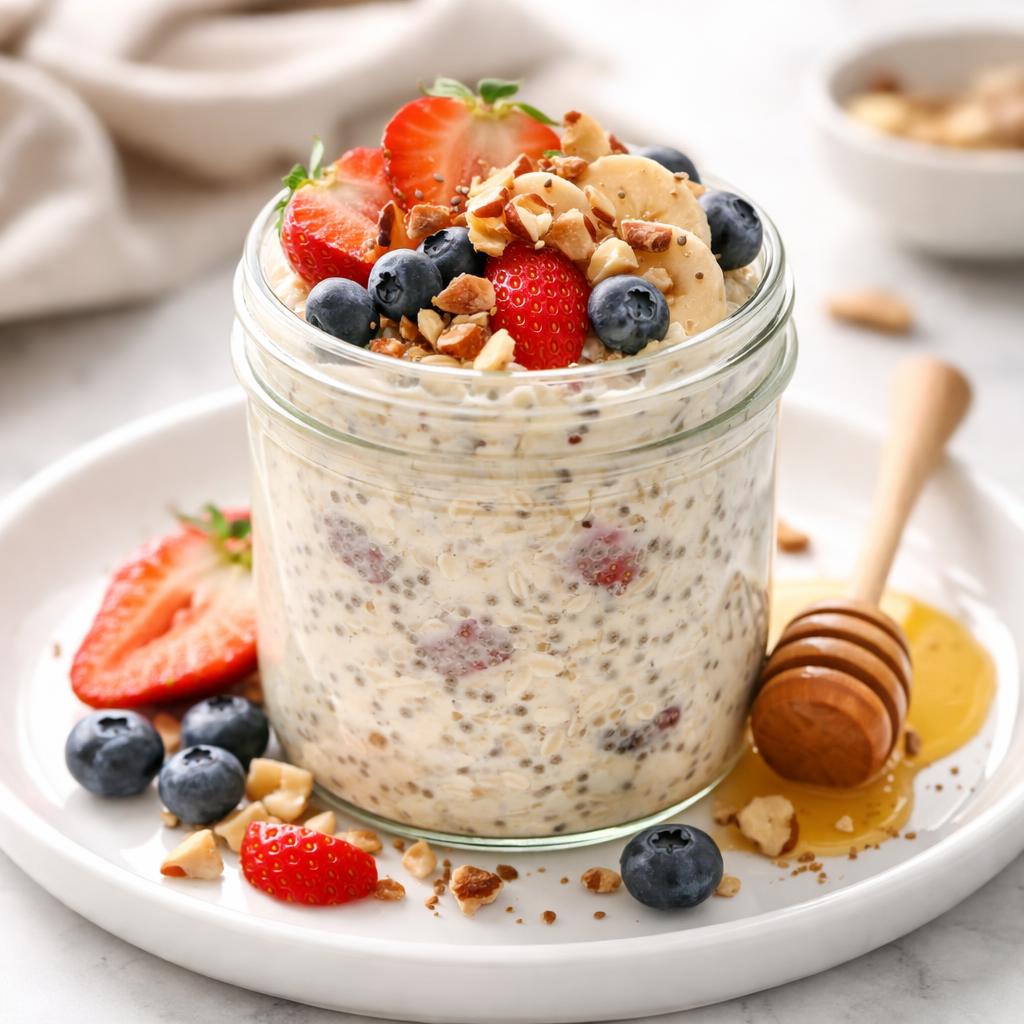
Overnight Oats
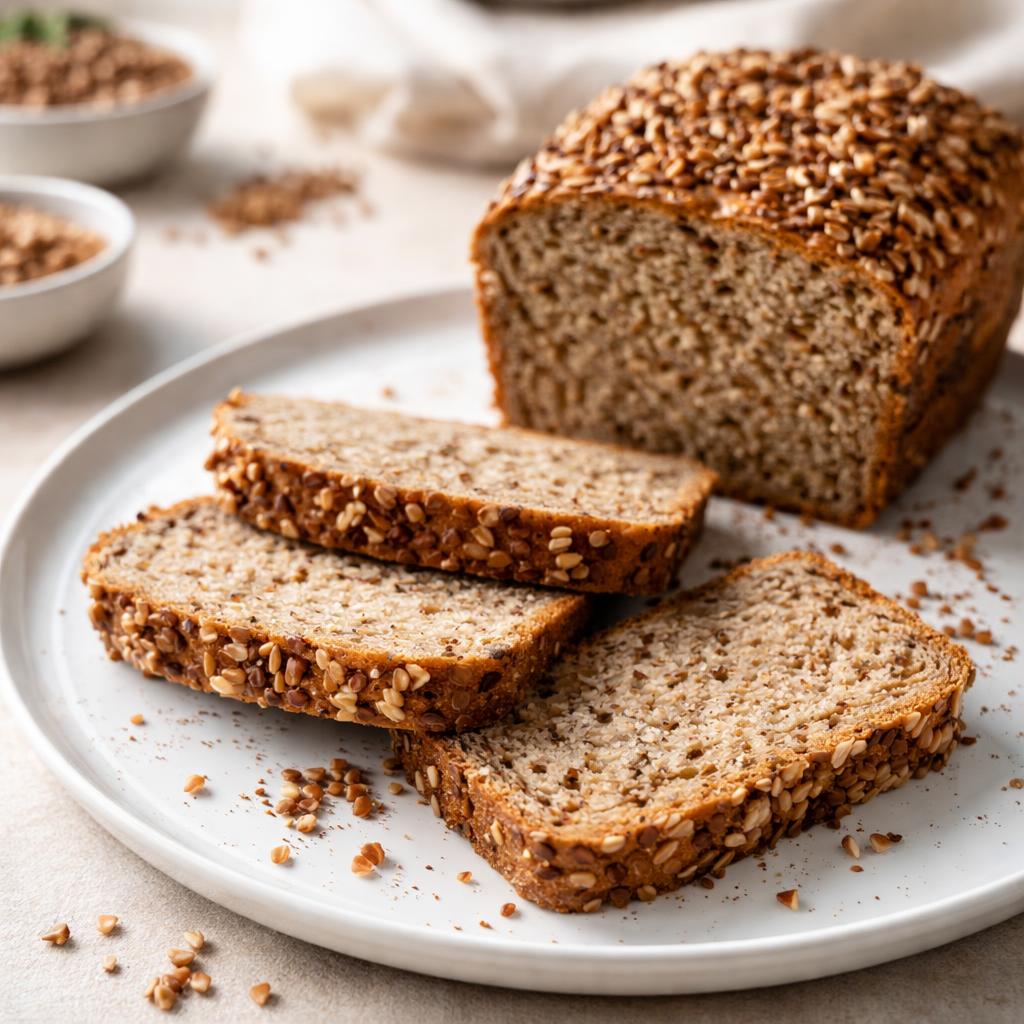
Buckwheat Bread
🎯 Quick Verdict
Overnight oats and buckwheat bread are both nutrient-dense options, but they serve different dietary purposes. Overnight oats provide more fiber and sustained energy from complex carbs, while buckwheat bread offers slightly more protein and fewer calories per serving. Both are great choices depending on your dietary goals and needs, with oats excelling as a breakfast staple and bread being suitable for sandwiches or light meals.

Smart Nutrition Tracking with SnapCalorie

📊 Nutritional Comparison
Macronutrients
| Nutrient | Food 1 | Food 2 | Winner |
|---|---|---|---|
| Calories | 200 | 170 | ✓ |
| Protein | 6g | 8g | ✓ |
| Carbs | 35g | 30g | ✓ |
| Fat | 5g | 4g | ✓ |
| Fiber | 6g | 4g | ✓ |
Vitamins & Minerals
| Nutrient | Food 1 | Food 2 | Winner |
|---|---|---|---|
| Vitamin B6 | 0.2mg | 0.3mg | ✓ |
| Magnesium | 75mg | 80mg | ✓ |
| Iron | 2mg | 2.5mg | ✓ |
🏆 Category Winners
Protein
Buckwheat bread has 33% more protein per serving than overnight oats.
Fiber
Overnight oats provide 50% more fiber per serving to support digestion.
Calories
Buckwheat bread has approximately 15% fewer calories than overnight oats.
🥗 Diet Compatibility
Keto
Food 1: Not Compatible
Food 2: Not Compatible
Both foods are high in carbohydrates.
Vegan
Food 1: Compatible
Food 2: Compatible
Both are plant-based and suitable for vegan diets.
Gluten Free
Food 1: Compatible if made with GF oats
Food 2: Compatible
Buckwheat bread is naturally gluten-free; overnight oats require certified gluten-free oats.
Paleo
Food 1: Not Compatible
Food 2: Not Compatible
Both contain grains and are not paleo-friendly.
Low Carb
Food 1: Not Compatible
Food 2: Not Compatible
Both foods are high in carbohydrates and not suitable for low-carb diets.
💪 Health Benefits Comparison
Food 1 Benefits
- Rich in fiber for digestive health
- Low glycemic index for sustained energy
- Versatile and easy to customize with healthy toppings
Food 2 Benefits
- Good source of plant-based protein
- Naturally gluten-free and allergy-friendly
- Provides important micronutrients like magnesium and iron
✅ The Bottom Line
Both overnight oats and buckwheat bread are excellent choices depending on your dietary priorities. Choose overnight oats for a high-fiber, energy-sustaining breakfast, perfect for meal prepping. Opt for buckwheat bread if you need a slightly lower-calorie, higher-protein option that is versatile for sandwiches and snacks.
Choose Food 1 for: Breakfast meals, fiber-rich diets, sustained energy
Choose Food 2 for: Gluten-free diets, protein-focused meals, nutrient-packed snacks


