Overnight Oats VS Bread Rolls
A detailed nutritional comparison
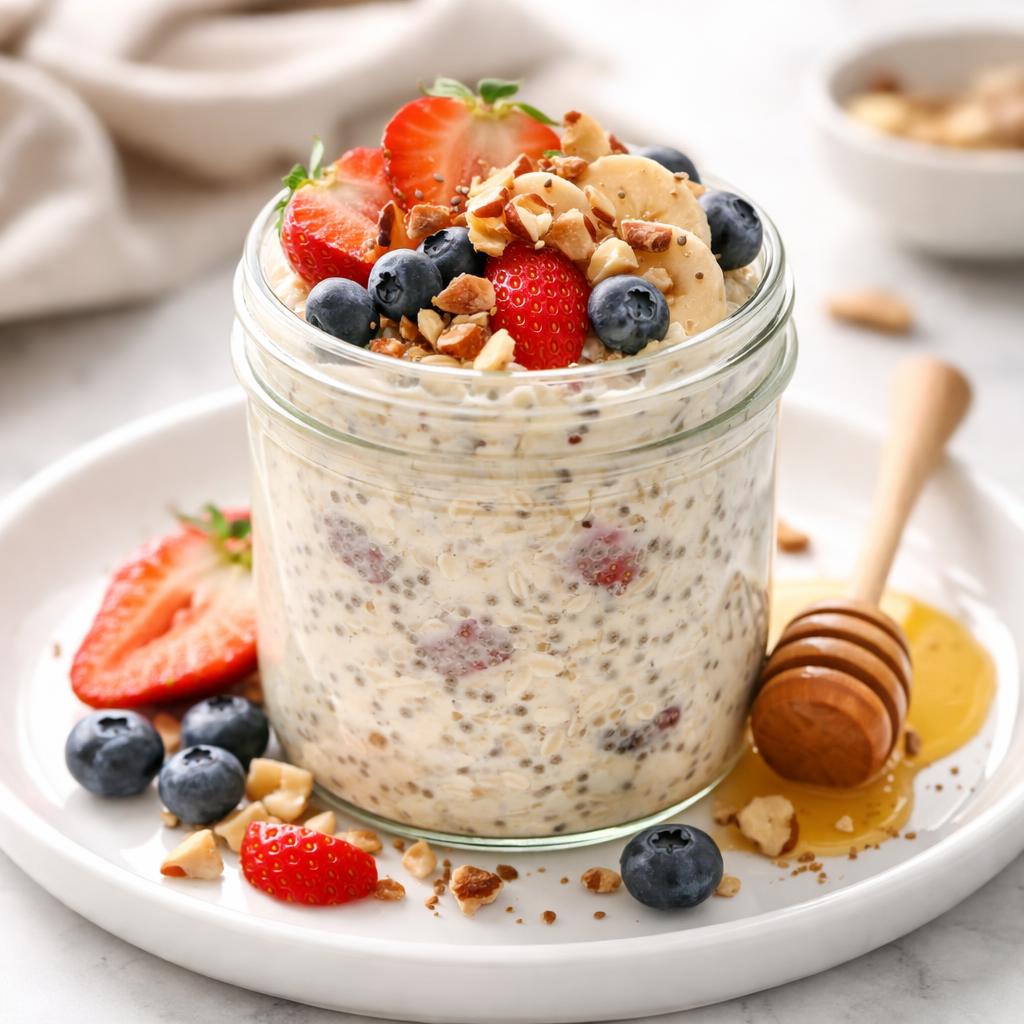
Overnight Oats

Bread Rolls
🎯 Quick Verdict
Overnight oats outperform bread rolls in protein, fiber, and lower calorie content, making them ideal for weight loss or fitness-focused diets. Bread rolls, however, offer higher carbohydrates and can provide quick energy for physical activity or as a staple side dish.

Smart Nutrition Tracking with SnapCalorie

📊 Nutritional Comparison
Macronutrients
| Nutrient | Food 1 | Food 2 | Winner |
|---|---|---|---|
| Calories | 150 | 230 | ✓ |
| Protein | 6g | 4g | ✓ |
| Carbs | 27g | 40g | ✓ |
| Fat | 3g | 2g | ✓ |
| Fiber | 4g | 1g | ✓ |
Vitamins & Minerals
| Nutrient | Food 1 | Food 2 | Winner |
|---|---|---|---|
| Vitamin D | 0mcg | 0mcg | − |
| Calcium | 150mg | 40mg | ✓ |
| Iron | 2mg | 1mg | ✓ |
🏆 Category Winners
Protein
Overnight oats contain 50% more protein than bread rolls.
Fiber
Overnight oats provide 4 times more fiber.
Calories
Overnight oats have 35% fewer calories than bread rolls.
Vitamins
Overnight oats have significantly higher calcium and iron levels.
🥗 Diet Compatibility
Keto
Food 1: Not Compatible
Food 2: Not Compatible
Both have high carb content and are not suitable for keto.
Vegan
Food 1: Compatible
Food 2: Compatible
Both are plant-based and meet vegan dietary requirements.
Gluten Free
Food 1: Compatible with certified gluten-free oats
Food 2: Not Compatible
Bread rolls are typically made from wheat, containing gluten.
Paleo
Food 1: Not Compatible
Food 2: Not Compatible
Neither is suitable due to their grains and refined ingredients.
Low-Carb
Food 1: Not Compatible
Food 2: Not Compatible
Both are relatively high in carbohydrates.
💪 Health Benefits Comparison
Food 1 Benefits
- Rich in fiber for improved digestion
- Good source of plant-based protein for muscle maintenance
- Contains heart-healthy fats (if soaked with nuts or seeds)
- Higher calcium and iron for bone and red blood cell health
Food 2 Benefits
- Provides immediate energy due to higher carb content
- Low in fat, suitable for low-fat diets
- Source of quick calories for physically demanding activities
- Can be part of a balanced meal
✅ The Bottom Line
Choose overnight oats for sustained energy, higher protein, and fiber content, as well as micronutrient density like calcium and iron, particularly if weight management or fitness is your goal. Opt for bread rolls if you're looking for a quick-carb side dish to pair with other nutrient-dense foods or need fast energy during physically active days.
Choose Food 1 for: Weight loss, fitness diets, sustained energy breakfasts
Choose Food 2 for: Quick energy snacks, carb-loading, meal side dish accompaniment


