Orzo Pasta VS Rice With Meat
A detailed nutritional comparison
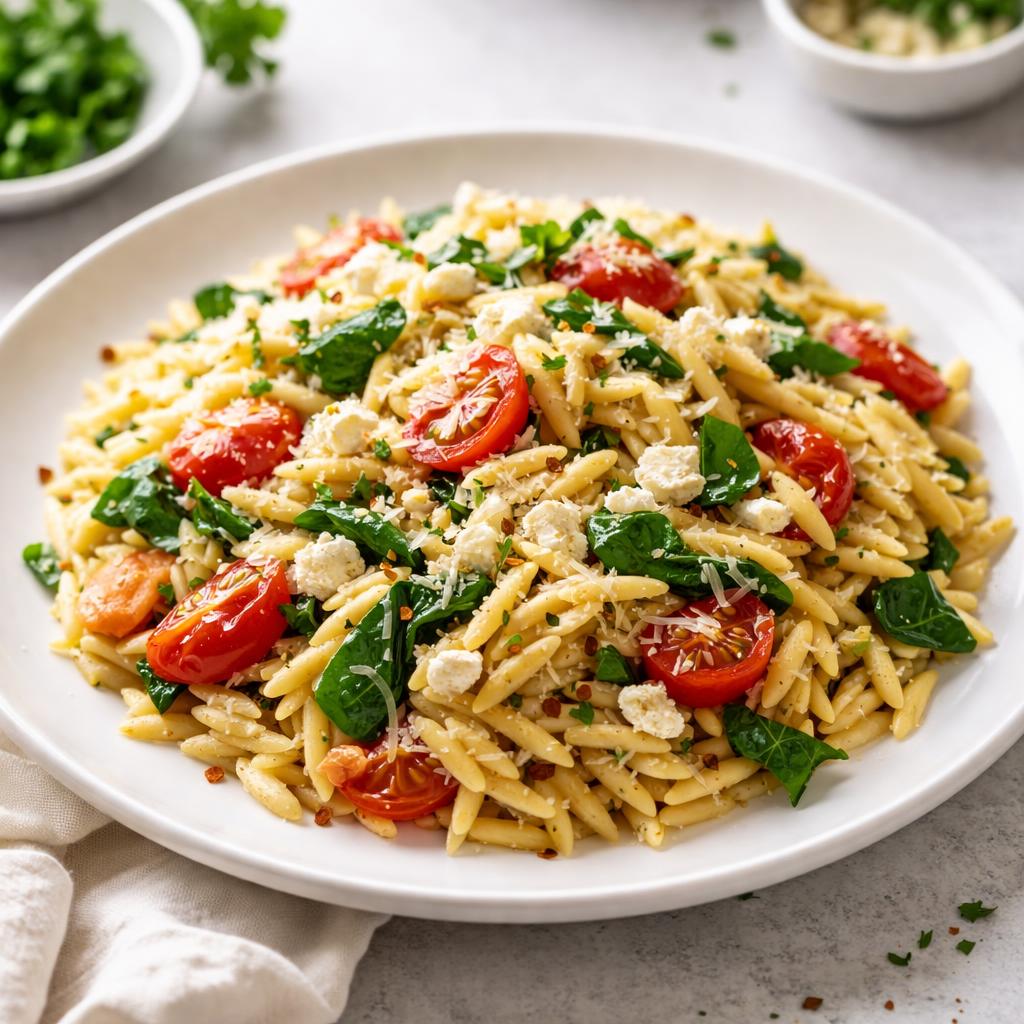
Orzo Pasta
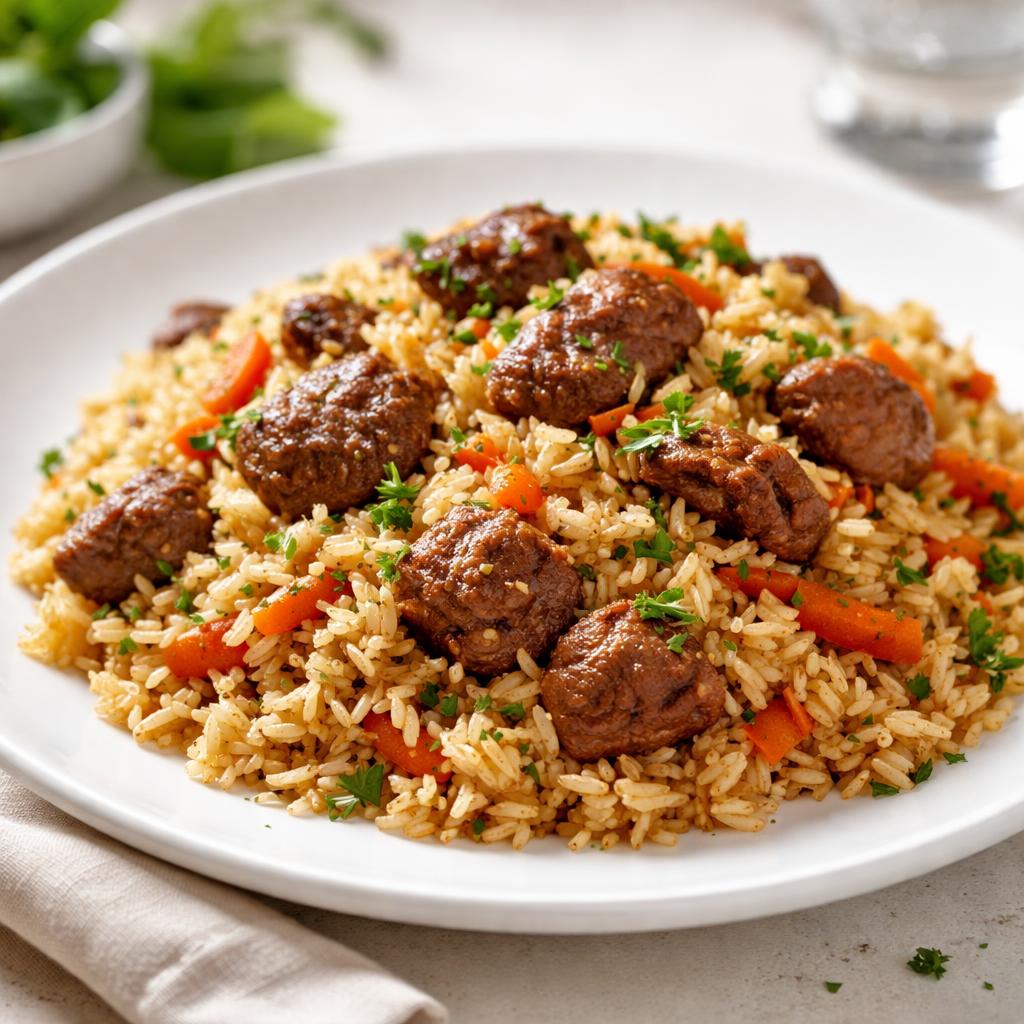
Rice With Meat
🎯 Quick Verdict
Orzo pasta is lower in calories and fat, making it suitable for weight-conscious individuals, while rice with meat offers more protein, making it ideal for muscle repair and recovery. Both foods are similar in fiber content but differ greatly in their nutrient profiles based on preparation styles.

Smart Nutrition Tracking with SnapCalorie

📊 Nutritional Comparison
Macronutrients
| Nutrient | Food 1 | Food 2 | Winner |
|---|---|---|---|
| Calories | 210 per cup cooked | 290 per cup cooked | ✓ |
| Protein | 7g | 16g | ✓ |
| Carbs | 42g | 40g | ✓ |
| Fat | 1g | 8g | ✓ |
| Fiber | 2g | 2g | − |
Vitamins & Minerals
| Nutrient | Food 1 | Food 2 | Winner |
|---|---|---|---|
| Vitamin B6 | 0.1mg | 0.4mg | ✓ |
| Iron | 1mg | 1.8mg | ✓ |
| Magnesium | 20mg | 25mg | ✓ |
🏆 Category Winners
Protein
Rice with meat contains over double the protein compared to orzo pasta.
Fiber
Both foods provide 2g of fiber per cup serving.
Calories
Orzo pasta has 80 fewer calories per cup than rice with meat.
Vitamins
Rice with meat is higher in Vitamin B6, iron, and magnesium, beneficial for energy and overall health.
🥗 Diet Compatibility
Keto
Food 1: Not Compatible
Food 2: Not Compatible
Both are high in carbs and not suitable for a keto diet.
Vegan
Food 1: Compatible
Food 2: Not Compatible
Rice with meat is not vegan due to the inclusion of animal protein.
Gluten Free
Food 1: Not Compatible
Food 2: Could Be Compatible
Orzo pasta contains gluten, while rice with meat may be gluten-free if no gluten-containing additives are used.
Paleo
Food 1: Not Compatible
Food 2: Could Be Compatible
Orzo pasta is not paleo, whereas rice with meat may align with paleo if prepared with whole ingredients.
Low Carb
Food 1: Not Compatible
Food 2: Not Compatible
Both options are high-carb foods and not appropriate for low-carb diets.
💪 Health Benefits Comparison
Food 1 Benefits
- Lower in calories, supporting weight management
- Provides a steady source of energy due to complex carbs
- Low in fat for heart health
Food 2 Benefits
- Excellent source of protein for muscle repair
- Rich in essential nutrients like iron for improving red blood cell production
- Higher fat content for sustained energy
✅ The Bottom Line
Choose orzo pasta for lighter meals focused on weight control and energy, and opt for rice with meat for high-protein, nutrient-dense dishes ideal for post-workout recovery or muscle building.
Choose Food 1 for: Weight-conscious meals, plant-based diets, quick energy
Choose Food 2 for: Protein-rich post-workout meals, muscle repair, nutrient-dense options


