Orzo Pasta VS Rice Soup
A detailed nutritional comparison
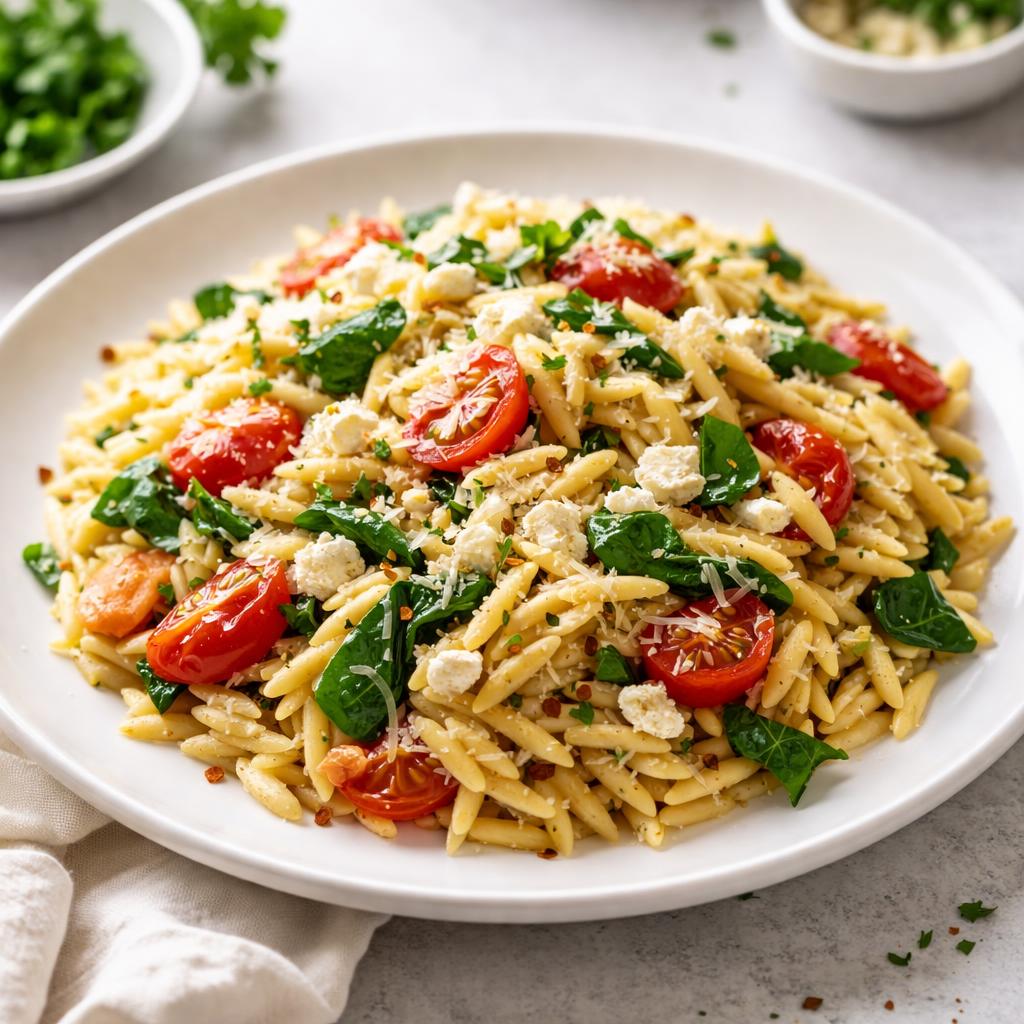
Orzo Pasta
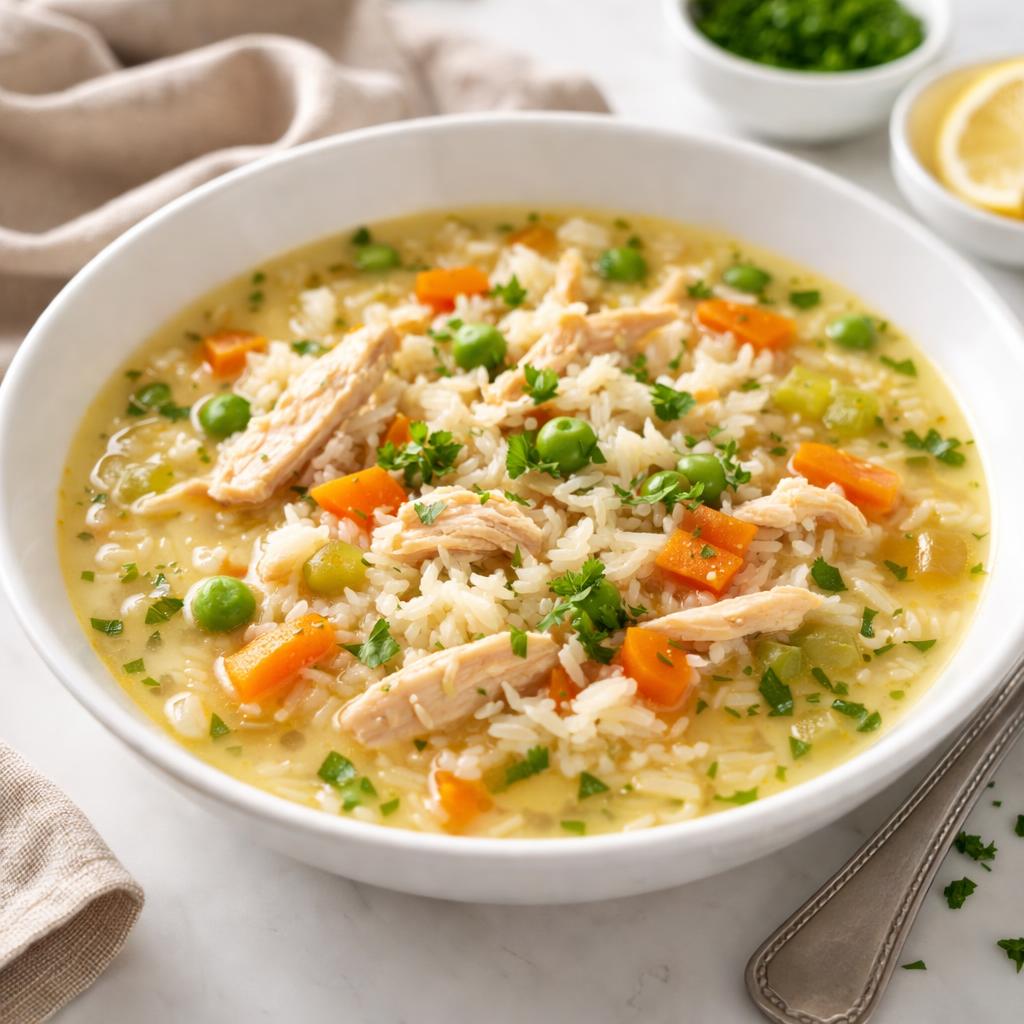
Rice Soup
🎯 Quick Verdict
Orzo pasta and rice soup differ significantly in nutritional composition. Orzo pasta provides more protein and fiber, making it suitable for muscle maintenance and digestive health, while rice soup is lower in calories and can be a lighter option for calorie-conscious diets. Orzo is ideal for high-energy meals, whereas rice soup works well as a comforting, low-calorie dish.

Smart Nutrition Tracking with SnapCalorie

📊 Nutritional Comparison
Macronutrients
| Nutrient | Food 1 | Food 2 | Winner |
|---|---|---|---|
| Calories | 200 | 120 | ✓ |
| Protein | 7g | 3g | ✓ |
| Carbs | 41g | 20g | ✓ |
| Fat | 1g | 0.5g | ✓ |
| Fiber | 3g | 1g | ✓ |
Vitamins & Minerals
| Nutrient | Food 1 | Food 2 | Winner |
|---|---|---|---|
| Vitamin D | 0mcg | 0mcg | − |
| Calcium | 10mg | 5mg | ✓ |
| Iron | 1mg | 0.5mg | ✓ |
🏆 Category Winners
Protein
Orzo pasta has over 2x the protein compared to rice soup.
Fiber
Orzo contains 3g of fiber, triple the amount in rice soup.
Calories
Rice soup is 40% lower in calories than orzo pasta.
Vitamins
Orzo offers slightly more calcium and iron than rice soup.
🥗 Diet Compatibility
Keto
Food 1: Not Compatible
Food 2: Not Compatible
Both foods are high in carbs.
Vegan
Food 1: Compatible
Food 2: Compatible
Both foods are plant-based as long as the rice soup has no meat-based broth.
Gluten Free
Food 1: Not Compatible
Food 2: Compatible
Orzo pasta contains gluten, while rice soup made with plain rice is gluten-free.
Paleo
Food 1: Not Compatible
Food 2: Compatible
Rice soup can be paleo-friendly when made with appropriate ingredients, but orzo is not.
Low Carb
Food 1: Not Compatible
Food 2: Not Compatible
Both foods have moderate to high carbohydrate content.
💪 Health Benefits Comparison
Food 1 Benefits
- Good source of complex carbs for sustained energy
- Contains moderate protein for muscle support
- Provides some fiber for digestive health
Food 2 Benefits
- Low calorie, making it suitable for weight management
- Easy to digest, ideal for sensitive stomachs
- Hydrating due to its high water content
✅ The Bottom Line
Orzo pasta is the better choice for high-protein, fiber-rich meals, while rice soup is optimal for low-calorie, digestion-supporting meals. Orzo is a great option for active individuals needing energy, while rice soup is perfect for light meals or when recovering from illness.
Choose Food 1 for: High-energy meals, muscle-building diets, post-workout meals
Choose Food 2 for: Low-calorie diets, sensitive stomachs, hydration and light recovery meals


