Orzo Pasta VS Licorice
A detailed nutritional comparison
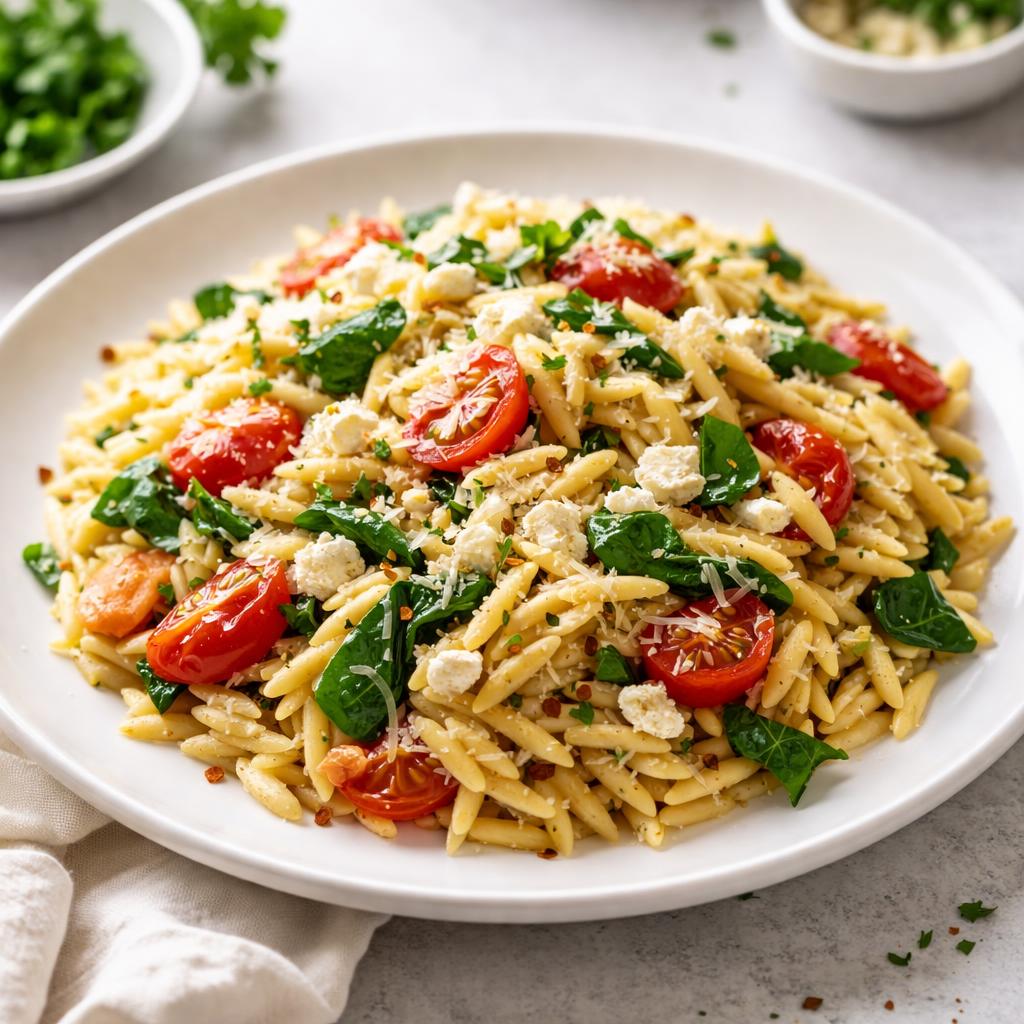
Orzo Pasta

Licorice
🎯 Quick Verdict
Orzo pasta and licorice differ significantly in their nutritional profiles. Orzo is higher in calories, protein, and macronutrient balance, making it better suited for sustained energy and meals. Licorice is more nutrient-dense in specific antioxidants but is high in sugar and lacks protein, making it more suitable as a sporadic indulgence rather than a staple food.

Smart Nutrition Tracking with SnapCalorie

📊 Nutritional Comparison
Macronutrients
| Nutrient | Food 1 | Food 2 | Winner |
|---|---|---|---|
| Calories | 210 | 375 | ✓ |
| Protein | 7g | 0g | ✓ |
| Carbs | 42g | 90g | ✓ |
| Fat | 1g | 0g | ✓ |
| Fiber | 2g | 2g | − |
Vitamins & Minerals
| Nutrient | Food 1 | Food 2 | Winner |
|---|---|---|---|
| Vitamin D | 0mcg | 0mcg | − |
| Calcium | 10mg | 55mg | ✓ |
| Iron | 1mg | 0.2mg | ✓ |
🏆 Category Winners
Protein
Orzo contains protein, while licorice contains none.
Fiber
Both foods provide the same amount of fiber per serving (2g).
Calories
Orzo has 44% fewer calories compared to licorice.
Vitamins
Licorice edges out slightly for calcium but orzo wins for iron.
🥗 Diet Compatibility
Keto
Food 1: Not Compatible
Food 2: Not Compatible
Both are high-carb foods and incompatible with keto diets.
Vegan
Food 1: Compatible
Food 2: Compatible
Both foods are plant-based and suitable for vegans.
Gluten Free
Food 1: Not Compatible
Food 2: Compatible
Orzo contains wheat and is not gluten-free, whereas licorice can be gluten-free if made with specific ingredients.
Paleo
Food 1: Not Compatible
Food 2: Not Compatible
Neither food is paleo-compliant due to the inclusion of processed ingredients and carbs.
Low Carb
Food 1: Not Compatible
Food 2: Not Compatible
Both foods are high in carbohydrates and not suitable for low-carb diets.
💪 Health Benefits Comparison
Food 1 Benefits
- Good source of energy from complex carbohydrates
- Provides protein for muscle repair
- Low in fat for a balanced meal
Food 2 Benefits
- Contains antioxidants that may support digestion
- Provides trace amounts of calcium for bone health
- Can reduce throat discomfort due to soothing properties
✅ The Bottom Line
Choose orzo if you need a balanced meal component, especially for energy and protein, as it works well in savory dishes like salads or stir-fries. Licorice is better as an occasional treat or for its potential throat-soothing benefits but should be consumed sparingly due to high sugar content.
Choose Food 1 for: Energy for meals, balanced macros, athletes
Choose Food 2 for: Throat health, indulgent snacks, minor calcium boost


