Orzo Pasta VS Dry Pasta
A detailed nutritional comparison
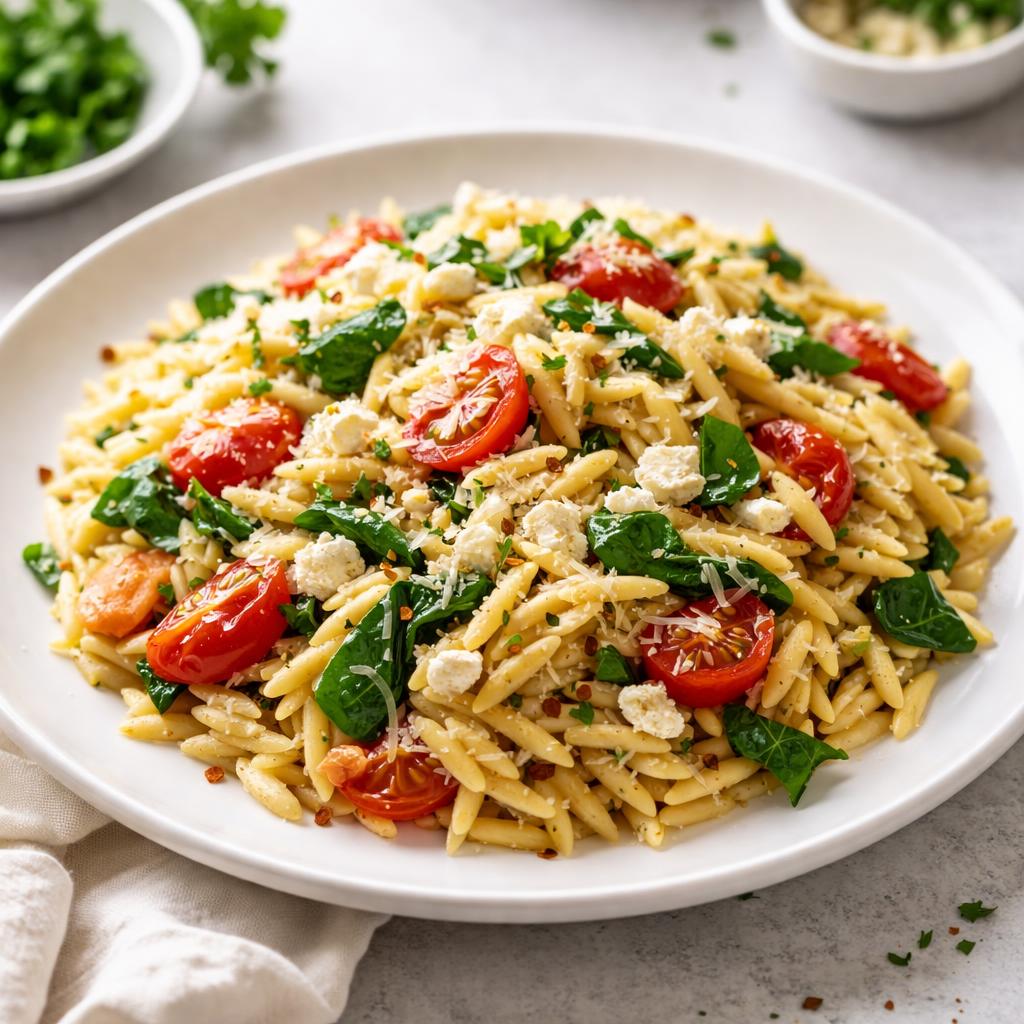
Orzo Pasta
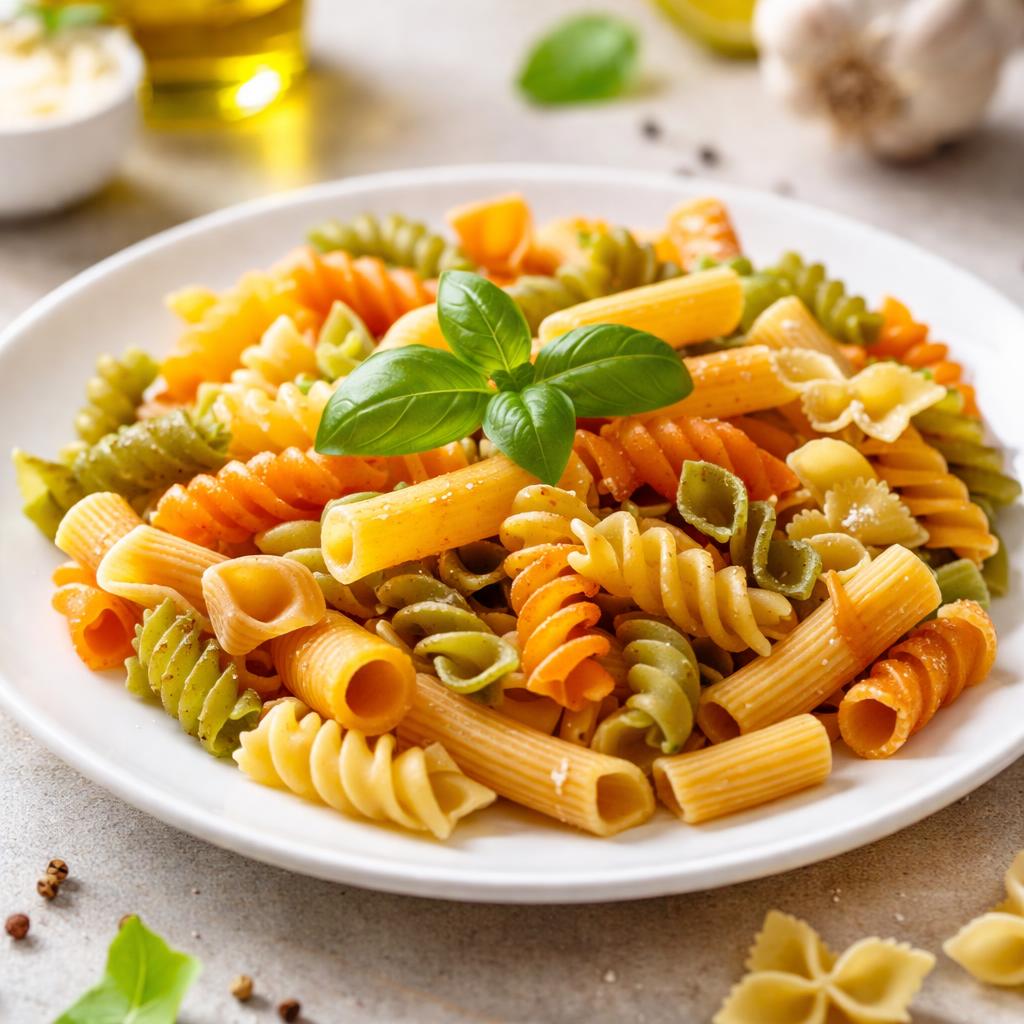
Dry Pasta
🎯 Quick Verdict
Orzo pasta and dry pasta have similar nutritional profiles but differ slightly in calories and fiber content. Orzo is lower in calories and has a lighter texture, making it ideal for weight-conscious meals. Dry pasta, on the other hand, provides more fiber, making it slightly better for digestion and satiety during hearty meals like pasta dishes or casseroles.

Smart Nutrition Tracking with SnapCalorie

📊 Nutritional Comparison
Macronutrients
| Nutrient | Food 1 | Food 2 | Winner |
|---|---|---|---|
| Calories | 190 | 210 | ✓ |
| Protein | 7g | 7g | − |
| Carbs | 39g | 41g | ✓ |
| Fat | 1g | 1g | − |
| Fiber | 2g | 3g | ✓ |
Vitamins & Minerals
| Nutrient | Food 1 | Food 2 | Winner |
|---|---|---|---|
| Vitamin D | 0mcg | 0mcg | − |
| Calcium | 10mg | 15mg | ✓ |
| Iron | 1mg | 2mg | ✓ |
🏆 Category Winners
Protein
Both foods provide 7g of protein per serving.
Fiber
Dry pasta has 50% more fiber per serving.
Calories
Orzo pasta contains approximately 10% fewer calories than dry pasta per serving.
🥗 Diet Compatibility
Keto
Food 1: Not Compatible
Food 2: Not Compatible
Both are high in carbohydrates.
Vegan
Food 1: Compatible
Food 2: Compatible
Both foods are plant-based.
Gluten Free
Food 1: Not Compatible
Food 2: Not Compatible
Both contain gluten unless made with gluten-free flour options.
Paleo
Food 1: Not Compatible
Food 2: Not Compatible
Both are grain-based and not allowed on a paleo diet.
Low Carb
Food 1: Not Compatible
Food 2: Not Compatible
Both are high in carbohydrates (over 39g per serving).
💪 Health Benefits Comparison
Food 1 Benefits
- Lower in calories for weight management
- Contains protein for muscle repair
- Light texture ideal for creating versatile dishes like salads
Food 2 Benefits
- Higher fiber content aids digestion and increases satiety
- Rich in iron, beneficial for red blood cell production
- Denser texture suitable for hearty meals and casseroles
✅ The Bottom Line
Choose orzo pasta for lighter meals or calorie-conscious diets, such as cold salads or lighter main courses. Opt for dry pasta when prioritizing higher fiber intake, hearty textures, and nutrient-dense pasta dishes such as classic Italian dinners or baked casseroles.
Choose Food 1 for: Light meals, weight management, versatile dishes
Choose Food 2 for: Hearty meals, improved digestion, nutrient density


