Orzo Pasta VS Baked Pasta
A detailed nutritional comparison
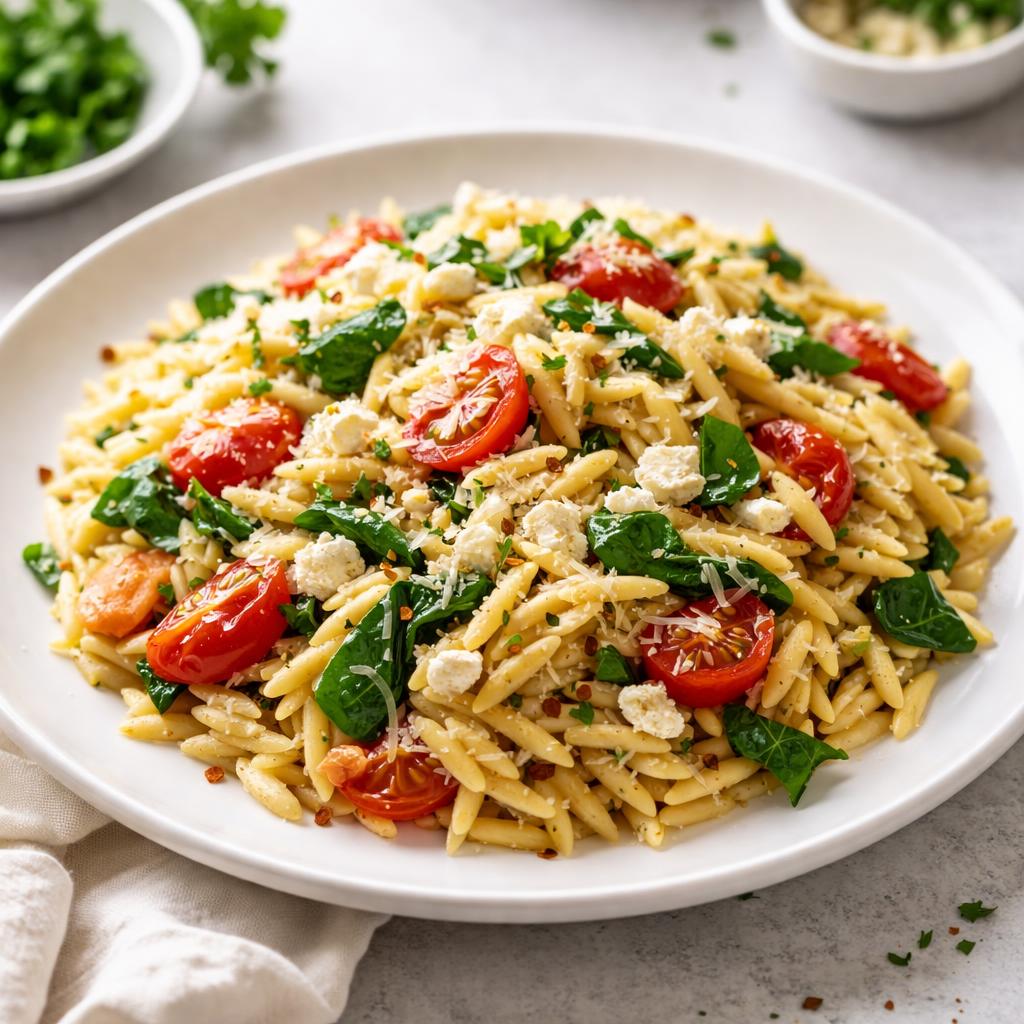
Orzo Pasta
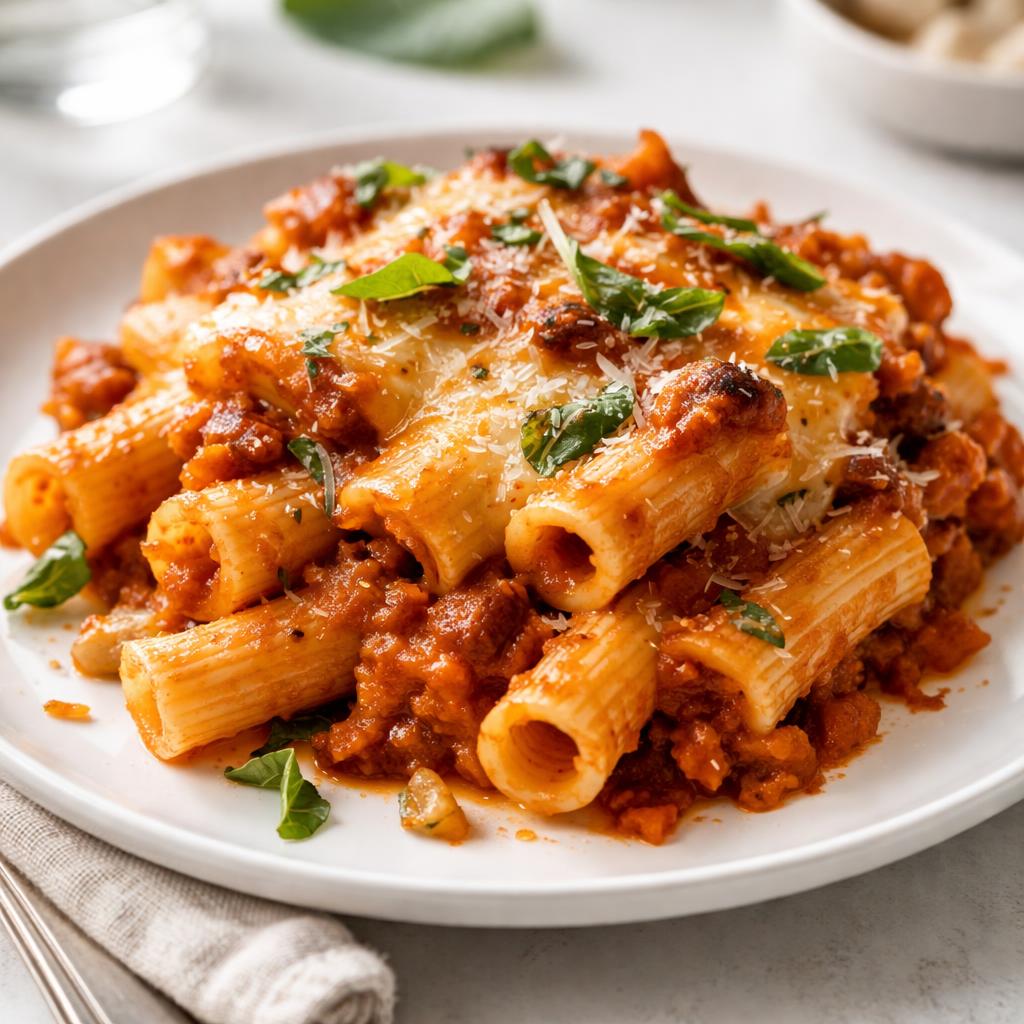
Baked Pasta
🎯 Quick Verdict
Orzo pasta is a lower-calorie option compared to baked pasta, making it suitable for weight-conscious diets. Baked pasta, however, has higher protein and fiber, which can contribute to satiety and muscle maintenance. Both are versatile carb sources but cater to slightly different nutritional needs depending on priorities.

Smart Nutrition Tracking with SnapCalorie

📊 Nutritional Comparison
Macronutrients
| Nutrient | Food 1 | Food 2 | Winner |
|---|---|---|---|
| Calories | 200 | 300 | ✓ |
| Protein | 7g | 12g | ✓ |
| Carbs | 42g | 35g | ✓ |
| Fat | 1g | 8g | ✓ |
| Fiber | 2g | 5g | ✓ |
Vitamins & Minerals
| Nutrient | Food 1 | Food 2 | Winner |
|---|---|---|---|
| Vitamin D | 0mcg | 1mcg | ✓ |
| Calcium | 10mg | 80mg | ✓ |
| Iron | 1mg | 1.2mg | ✓ |
🏆 Category Winners
Protein
Baked pasta provides 71% more protein per serving.
Fiber
Baked pasta has 150% more fiber.
Calories
Orzo pasta contains 33% fewer calories.
🥗 Diet Compatibility
Keto
Food 1: Not Compatible
Food 2: Not Compatible
Both foods are high in carbohydrates.
Vegan
Food 1: Compatible
Food 2: Depends
Baked pasta may contain cheese or other animal-based ingredients.
Gluten Free
Food 1: Not Compatible
Food 2: Not Compatible
Both foods contain gluten unless specifically made gluten-free.
Paleo
Food 1: Not Compatible
Food 2: Not Compatible
Neither fits the paleo diet due to grain-based ingredients.
Low Carb
Food 1: Not Compatible
Food 2: Not Compatible
Both are carbohydrate-rich foods.
💪 Health Benefits Comparison
Food 1 Benefits
- Low in calories for weight control
- Quick source of energy due to high carbohydrate content
- Light and versatile for use in salads and soups
Food 2 Benefits
- Rich in protein for muscle and tissue maintenance
- High fiber content aids in digestion
- Contains added vitamins and minerals depending on recipe ingredients
✅ The Bottom Line
For lower-calorie meals or lighter dishes, opt for orzo pasta. If you need a higher-protein, more filling option, baked pasta is the better choice. Both can be customized to suit specific nutritional goals but are not suitable for keto, paleo, or low-carb diets.
Choose Food 1 for: Weight management, light meals, quick energy
Choose Food 2 for: Muscle maintenance, satiating dishes, nutrient-dense meals


