Oats VS Whole Wheat Sandwich
A detailed nutritional comparison
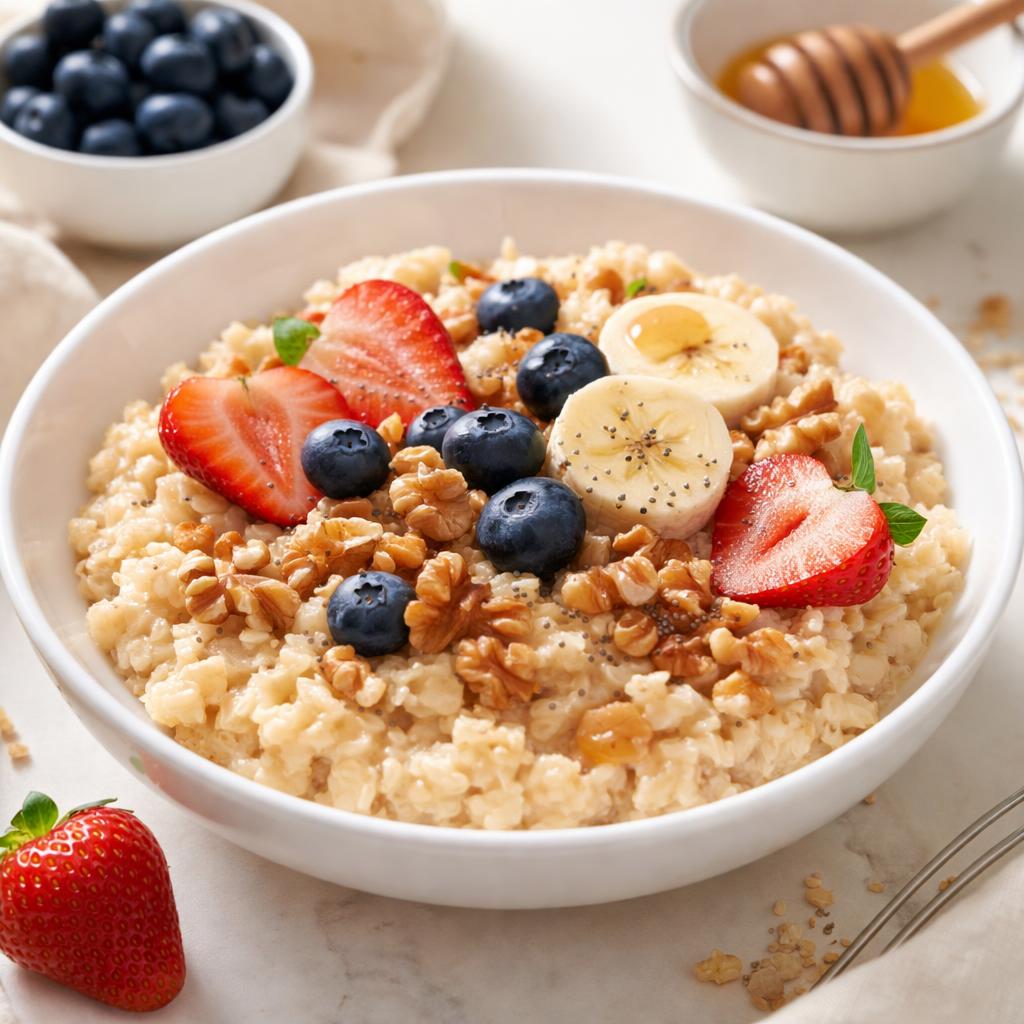
Oats
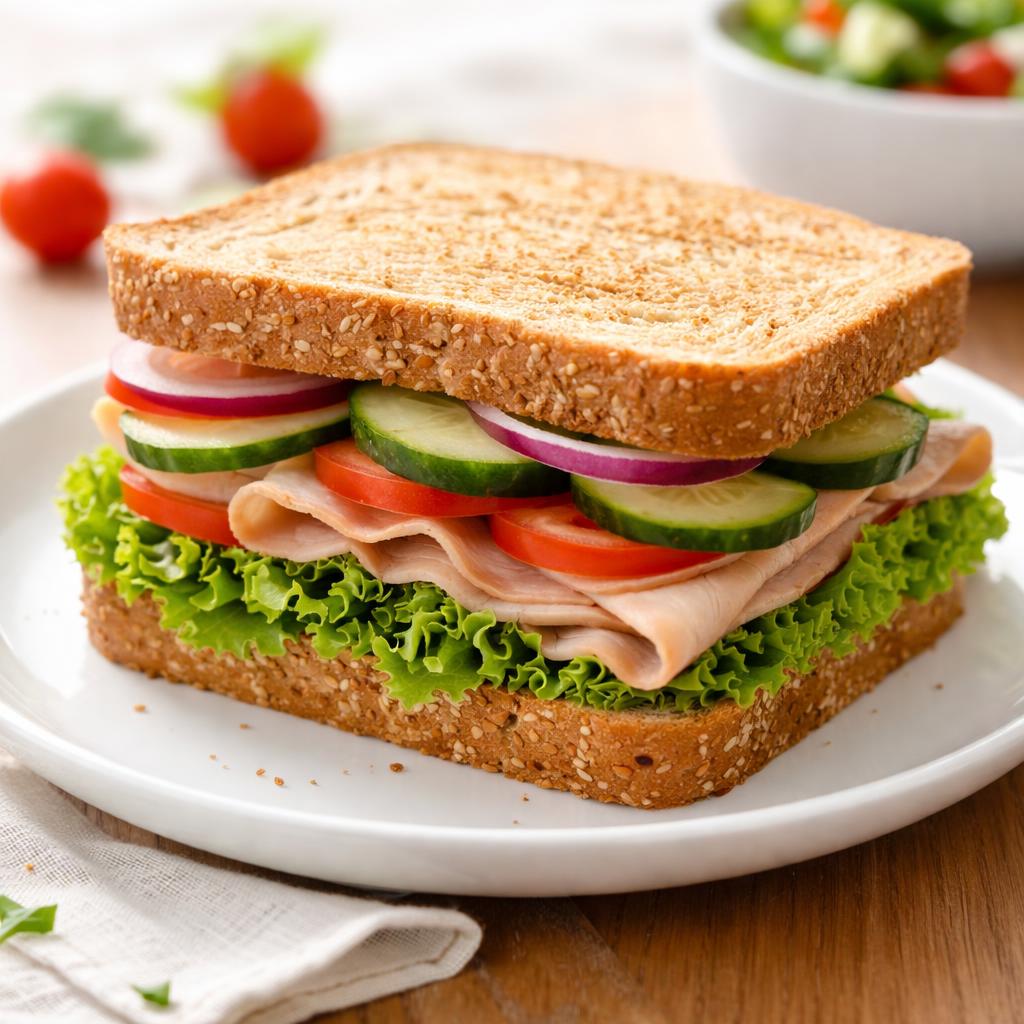
Whole Wheat Sandwich
🎯 Quick Verdict
Oats and whole wheat sandwiches both offer strong nutritional benefits. Oats provide more fiber and fewer calories per serving, making them ideal for sustained energy and digestion. Whole wheat sandwiches have higher protein content and offer a balanced mix of carbs and fats, supporting muscle maintenance and energy during workouts.

Smart Nutrition Tracking with SnapCalorie

📊 Nutritional Comparison
Macronutrients
| Nutrient | Food 1 | Food 2 | Winner |
|---|---|---|---|
| Calories | 154 per 40g | 290 per sandwich (two slices + basic fillings) | ✓ |
| Protein | 5.5g per 40g | 12g per sandwich | ✓ |
| Carbs | 27g per 40g | 35g per sandwich | ✓ |
| Fat | 3g per 40g | 5g per sandwich | ✓ |
| Fiber | 4g per 40g | 3g per sandwich | ✓ |
Vitamins & Minerals
| Nutrient | Food 1 | Food 2 | Winner |
|---|---|---|---|
| Vitamin D | 0mcg | 0mcg | − |
| Calcium | 20mg per 40g | 140mg per sandwich | ✓ |
| Iron | 1.8mg per 40g | 2mg per sandwich | ✓ |
🏆 Category Winners
Protein
Food2 contains over double the protein per serving compared to oats.
Fiber
Food1 provides 25% more fiber per serving.
Calories
Food1 has significantly fewer calories per serving compared to a typical whole wheat sandwich.
Vitamins
Food2 is richer in calcium and iron for stronger bones and oxygen transport.
🥗 Diet Compatibility
Keto
Food 1: Not Compatible
Food 2: Not Compatible
Both are high in carbohydrates.
Vegan
Food 1: Compatible
Food 2: Depends on filling
Oats are plant-based, but sandwich fillings determine compatibility.
Gluten Free
Food 1: Compatible if certified gluten-free
Food 2: Not Compatible
Food1 can be gluten-free if made from certified GF oats, while whole wheat contains gluten.
Paleo
Food 1: Not Compatible
Food 2: Not Compatible
Both foods are processed grains, which are avoided on paleo diets.
Low-Carb
Food 1: Not Compatible
Food 2: Not Compatible
Both foods have high carbohydrate content unsuitable for low-carb diets.
💪 Health Benefits Comparison
Food 1 Benefits
- Rich in fiber for improved digestion and gut health
- Helps in stabilizing blood sugar levels due to slow-digesting carbs
- Contains antioxidants for overall health and inflammation reduction
Food 2 Benefits
- Good protein source for muscle repair and growth
- Provides essential iron for prevention of anemia
- Supplies calcium for bone health
✅ The Bottom Line
Choose oats for a low-calorie, high-fiber breakfast or sustained energy throughout the day. Opt for whole wheat sandwiches when you need more protein and a balanced meal, such as during lunch or post-workout recovery.
Choose Food 1 for: Weight management, digestion support, healthy breakfasts
Choose Food 2 for: Active lifestyles, muscle repair, filling and convenient meals


