Oats VS Whole Grain Bread Roll
A detailed nutritional comparison
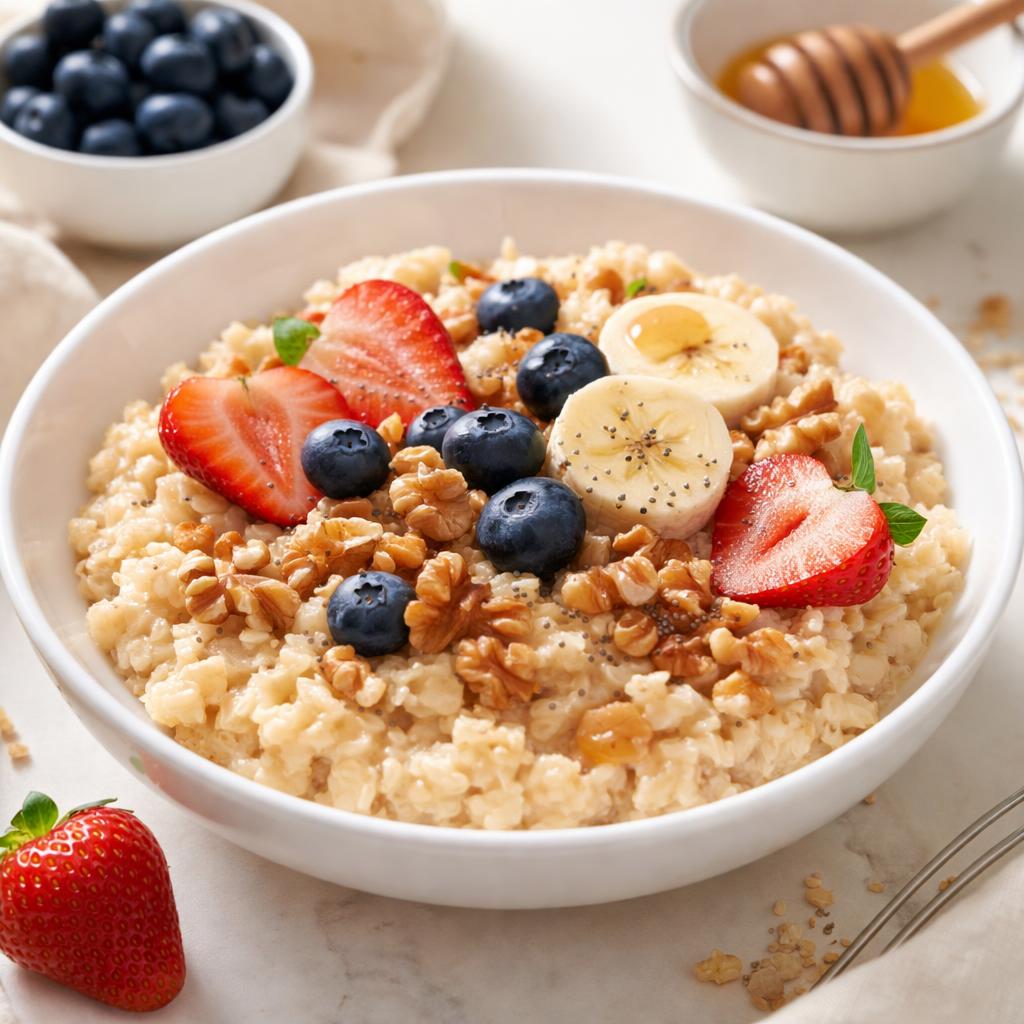
Oats
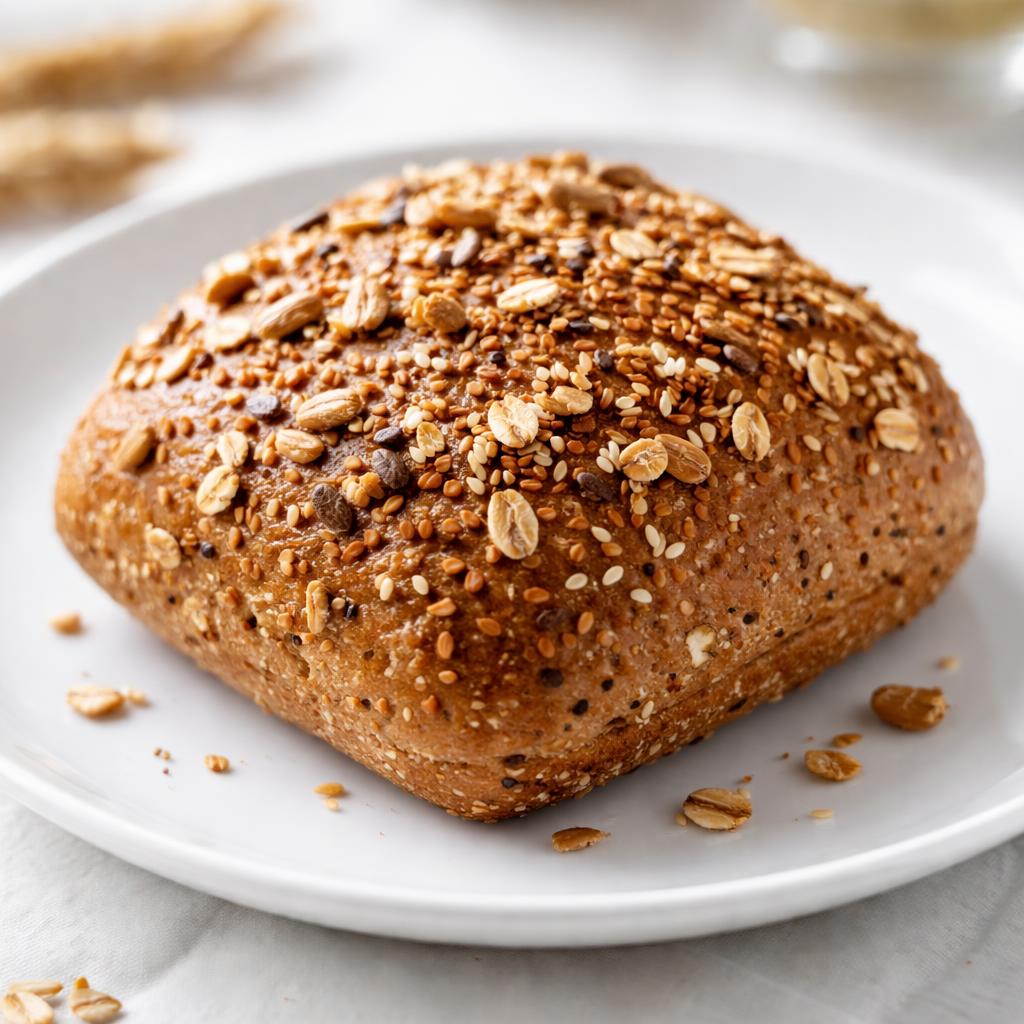
Whole Grain Bread Roll
🎯 Quick Verdict
Oats and whole grain bread rolls are both nutritious choices, but they cater to slightly different dietary needs. Oats are lower in calories and higher in fiber, making them ideal for digestion and weight management. Whole grain bread rolls are higher in protein and provide sustained energy, making them more suitable for post-workout recovery or hearty meals.

Smart Nutrition Tracking with SnapCalorie

📊 Nutritional Comparison
Macronutrients
| Nutrient | Food 1 | Food 2 | Winner |
|---|---|---|---|
| Calories | 154 (1/2 cup cooked) | 180 (1 medium roll) | ✓ |
| Protein | 5.5g | 7g | ✓ |
| Carbs | 27g | 33g | ✓ |
| Fat | 3g | 4g | ✓ |
| Fiber | 4g | 3g | ✓ |
Vitamins & Minerals
| Nutrient | Food 1 | Food 2 | Winner |
|---|---|---|---|
| Vitamin B6 | 0.03mg | 0.04mg | ✓ |
| Iron | 1.5mg | 1.2mg | ✓ |
| Magnesium | 57mg | 25mg | ✓ |
🏆 Category Winners
Protein
Whole grain bread rolls provide slightly higher protein content (7g vs 5.5g per serving).
Fiber
Oats deliver 33% more fiber per serving (4g vs 3g).
Calories
Oats have fewer calories per serving (154 vs 180).
🥗 Diet Compatibility
Keto
Food 1: Not Compatible
Food 2: Not Compatible
Both foods are high in carbs, making them unsuitable for keto diets.
Vegan
Food 1: Compatible
Food 2: Compatible
Both oats and bread rolls are plant-based.
Gluten Free
Food 1: Compatible (if certified gluten-free)
Food 2: Not Compatible
Oats can be gluten-free if labeled, while bread rolls typically contain gluten.
Paleo
Food 1: Not Compatible
Food 2: Not Compatible
Both foods are grains, which are excluded on the paleo diet.
Low-Carb
Food 1: Not Suitable
Food 2: Not Suitable
Both foods are moderate to high in carbohydrates.
💪 Health Benefits Comparison
Food 1 Benefits
- Rich in soluble fiber (beta-glucans) for heart health
- Supports digestion and regular bowel movements
- Good source of magnesium, which aids muscle and nerve function
- Prolongs satiety, aiding in weight management
Food 2 Benefits
- Higher protein for muscle repair and growth
- Provides slow-digesting carbs for sustained energy levels
- Contains B vitamins for metabolism support
- Good source of antioxidants from whole grains
✅ The Bottom Line
Oats excel in fiber and calorie content, making them a great choice for weight loss and digestive health. Whole grain bread rolls, on the other hand, are higher in protein and carbohydrates, making them ideal for active individuals needing energy and recovery. Both are versatile, but the best choice depends on your dietary priorities.
Choose Food 1 for: Weight management, heart health, breakfast options
Choose Food 2 for: Energy boosting, high-protein diets, post-workout snacks


