Oats VS Whole Bread
A detailed nutritional comparison
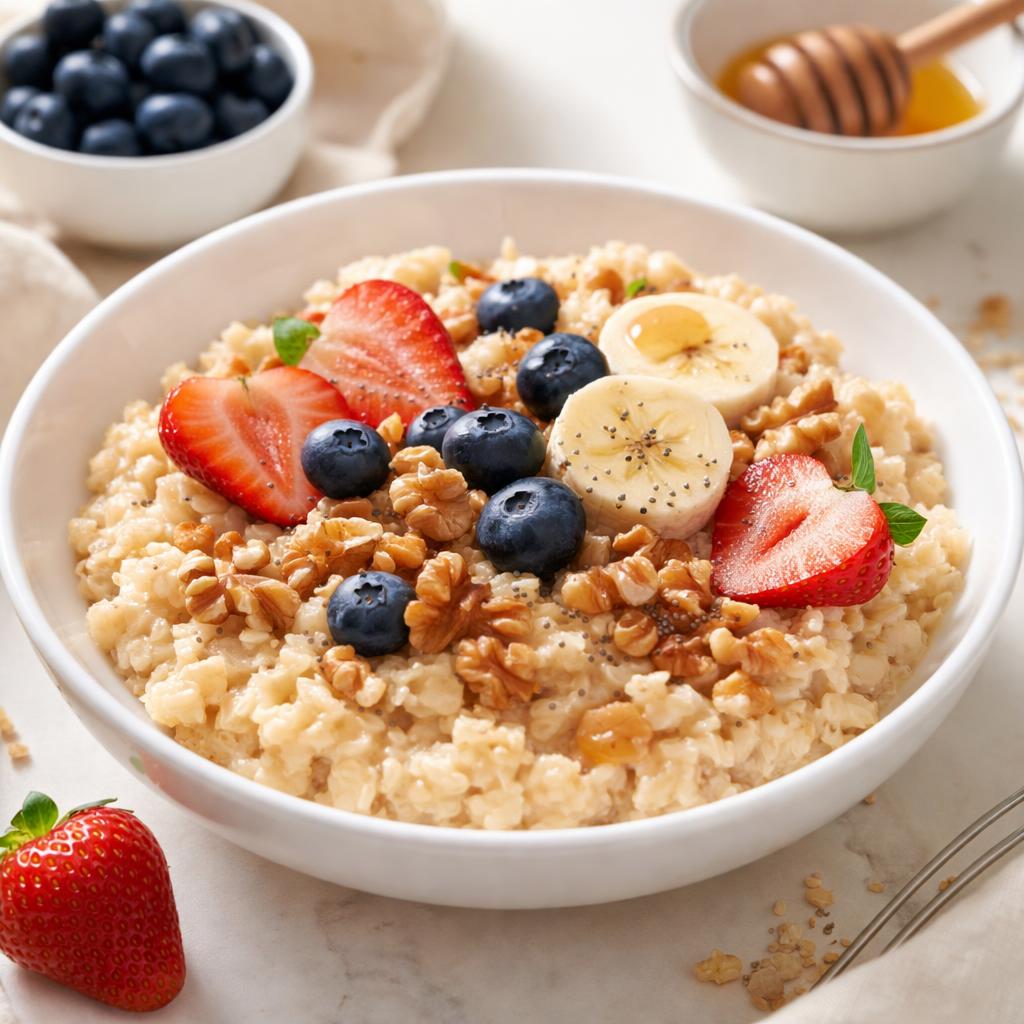
Oats
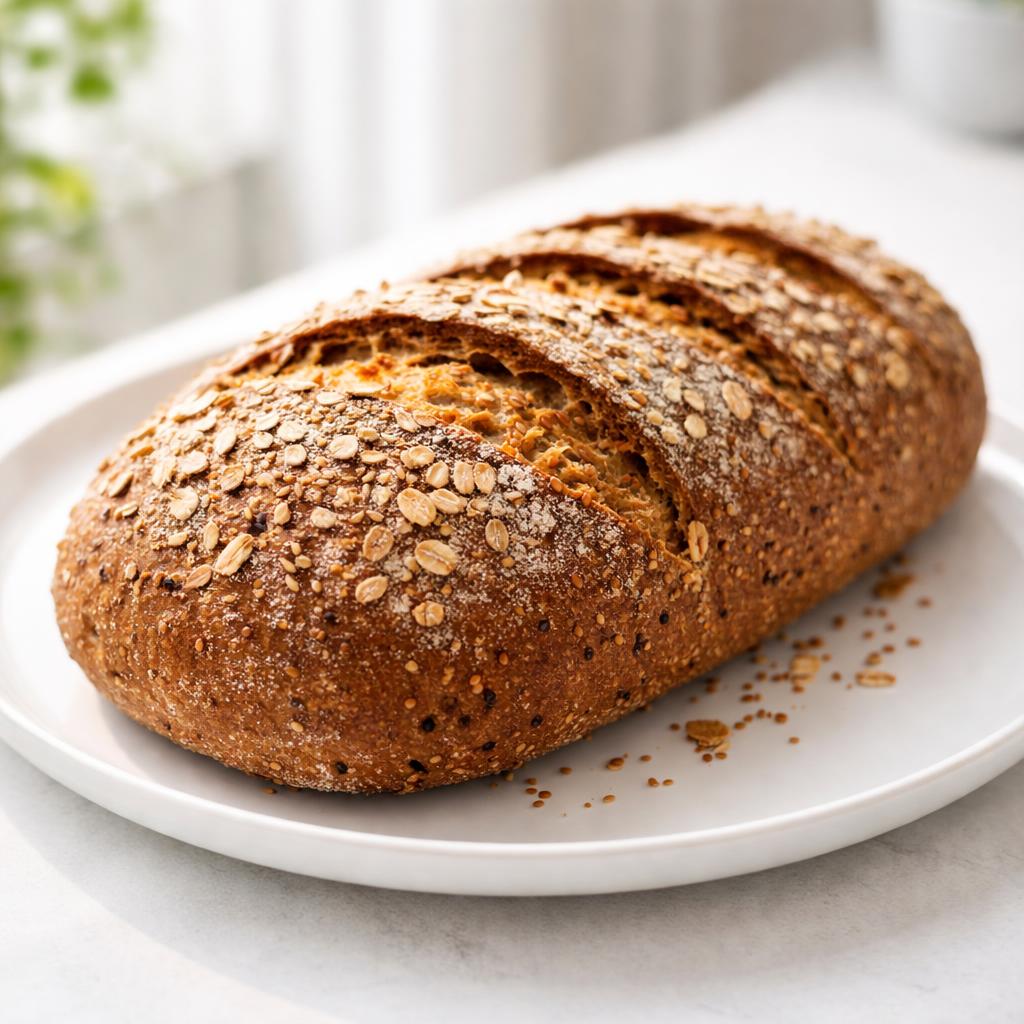
Whole Bread
🎯 Quick Verdict
Oats and whole bread are both nutritious, but they serve different purposes. Oats are higher in fiber, making them great for digestion and satiety, while whole bread has slightly more protein and fewer calories per serving. Both foods are versatile, but oats work best for sustained energy and digestion, and whole bread is better for lighter meals and sandwiches.

Smart Nutrition Tracking with SnapCalorie

📊 Nutritional Comparison
Macronutrients
| Nutrient | Food 1 | Food 2 | Winner |
|---|---|---|---|
| Calories | 154 per 40g (1/2 cup) | 100 per slice (40g) | ✓ |
| Protein | 5.5g | 6g | ✓ |
| Carbs | 27g | 20g | ✓ |
| Fat | 3g | 1g | ✓ |
| Fiber | 4g | 2g | ✓ |
Vitamins & Minerals
| Nutrient | Food 1 | Food 2 | Winner |
|---|---|---|---|
| Vitamin B1 (Thiamine) | 0.2mg | 0.1mg | ✓ |
| Vitamin B2 (Riboflavin) | 0.03mg | 0.05mg | ✓ |
| Vitamin B3 (Niacin) | 0.5mg | 1mg | ✓ |
| Iron | 1.7mg | 0.8mg | ✓ |
| Calcium | 20mg | 40mg | ✓ |
🏆 Category Winners
Protein
Whole bread has slightly more protein per serving.
Fiber
Oats provide double the fiber per serving, supporting digestion and satiety.
Calories
Whole bread has fewer calories per serving, making it lighter for meals.
Vitamins
Oats win in iron and thiamine, while whole bread offers more calcium and niacin.
🥗 Diet Compatibility
Keto
Food 1: Not Compatible
Food 2: Not Compatible
Both are high in carbohydrates and not suitable for keto diets.
Vegan
Food 1: Compatible
Food 2: Compatible
Both foods are plant-based and vegan-friendly.
Gluten Free
Food 1: Varies
Food 2: Not Compatible
Oats are naturally gluten-free but may have cross-contamination unless certified; whole bread contains gluten.
Paleo
Food 1: Not Compatible
Food 2: Not Compatible
Both foods are grains, which are excluded in paleo diets.
Low Carb
Food 1: Not Compatible
Food 2: Partially Compatible
Whole bread is slightly lower in carbs but still not ideal for strict low-carb diets.
💪 Health Benefits Comparison
Food 1 Benefits
- High in fiber for digestive health and improved satiety
- Contains iron for blood oxygen transport
- Rich in antioxidants, supporting overall health
- Slow-digesting carbs for sustained energy
Food 2 Benefits
- Good source of protein for muscle repair and maintenance
- Provides calcium for strong bones and teeth
- Low in fat, fitting into calorie-conscious diets
- Easily digestible carbs for immediate energy needs
✅ The Bottom Line
The choice between oats and whole bread depends on your dietary goals. Oats are ideal for digestion, long-lasting energy, and nutrient density, while whole bread is better for lightweight meals, sandwiches, and slightly lower calories. Both can complement healthy diets and provide versatile options for breakfast or snacks.
Choose Food 1 for: Digestive health, sustained energy, morning meals
Choose Food 2 for: Light meals, sandwiches, quick energy boosts


