Oats VS Turkish Bread
A detailed nutritional comparison
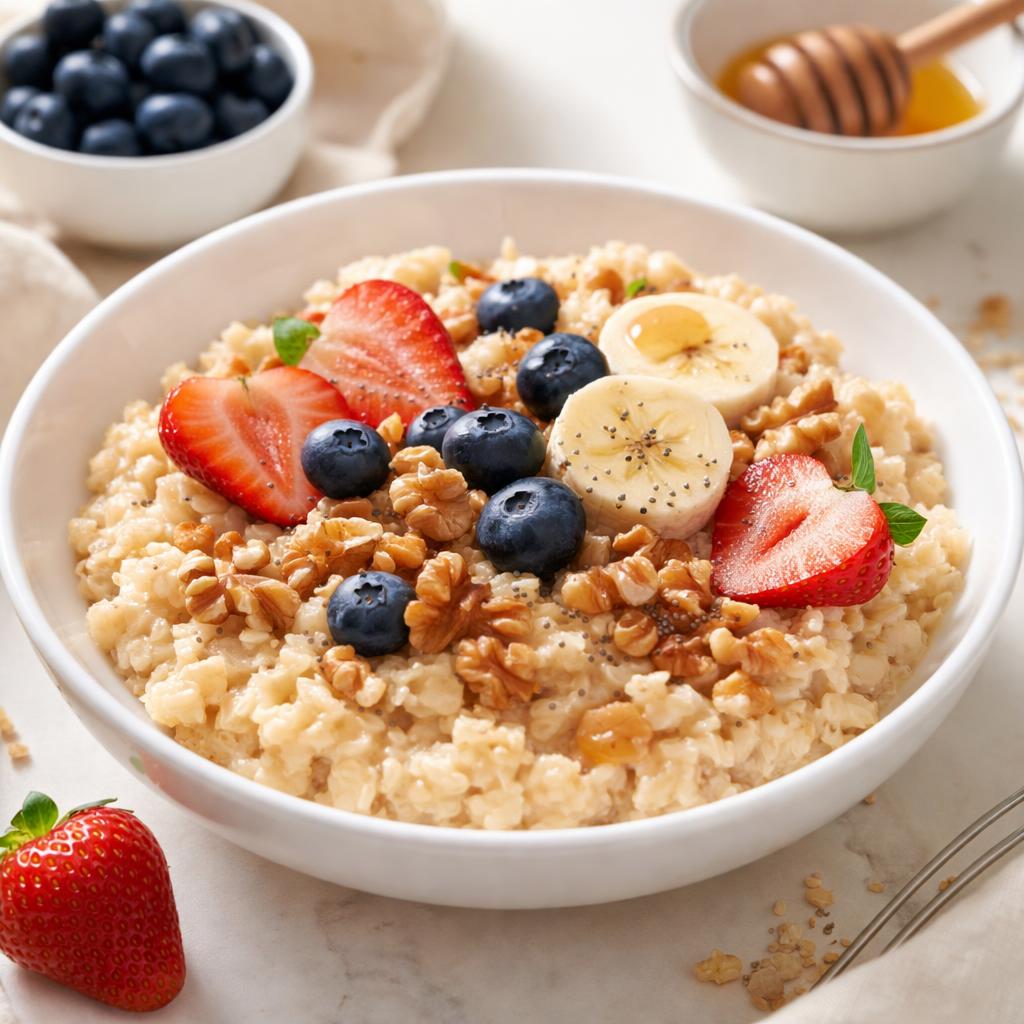
Oats
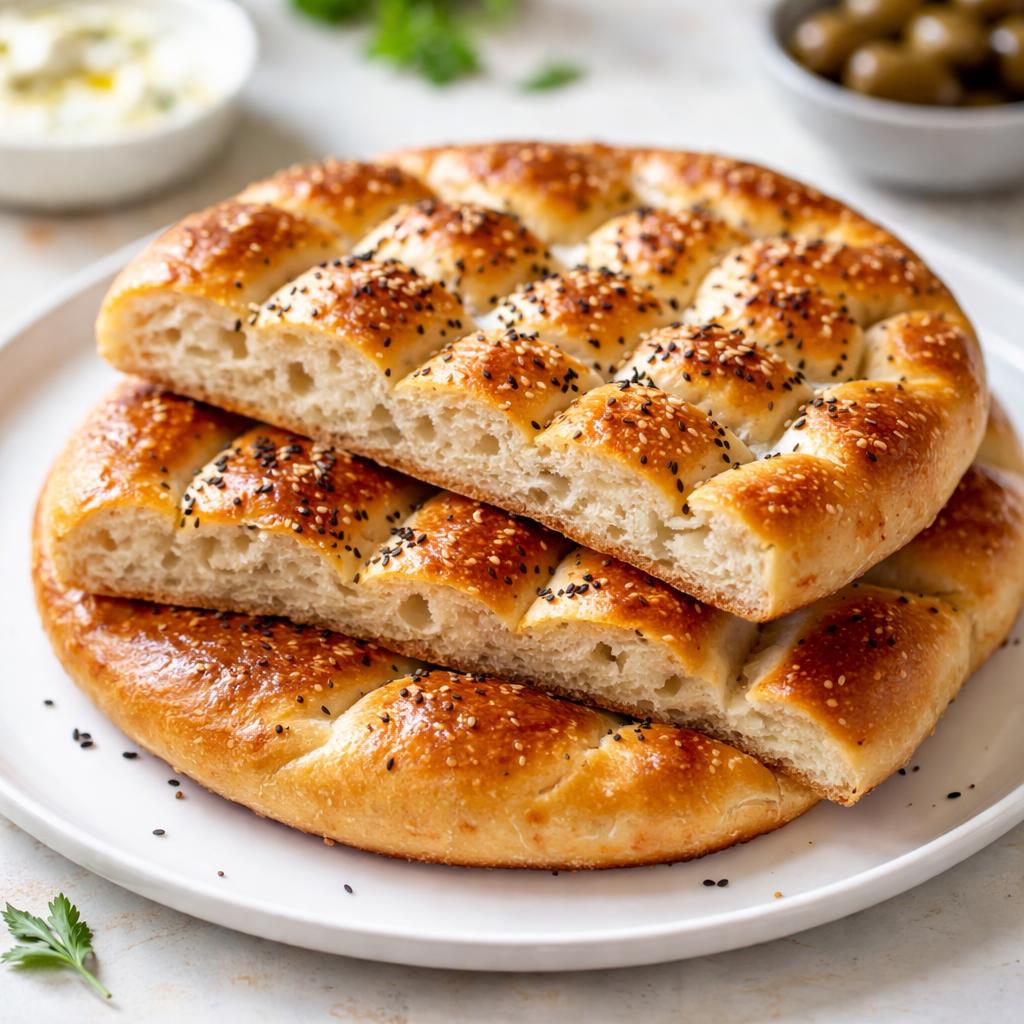
Turkish Bread
🎯 Quick Verdict
Oats are nutritionally richer than Turkish bread, offering higher protein, fiber, and micronutrient content per serving, with fewer calories. Turkish bread is lower in fiber and protein but provides quick-absorbing carbohydrates, making it a better option for immediate energy boosts or pairing with protein-rich toppings.

Smart Nutrition Tracking with SnapCalorie

📊 Nutritional Comparison
Macronutrients
| Nutrient | Food 1 | Food 2 | Winner |
|---|---|---|---|
| Calories | 150 (per 1/2 cup cooked) | 230 (per 1 medium slice) | ✓ |
| Protein | 5g | 7g | ✓ |
| Carbs | 27g | 45g | ✓ |
| Fat | 2.5g | 1g | ✓ |
| Fiber | 4g | 2g | ✓ |
Vitamins & Minerals
| Nutrient | Food 1 | Food 2 | Winner |
|---|---|---|---|
| Vitamin D | 0mcg | 0mcg | − |
| Calcium | 20mg | 55mg | ✓ |
| Iron | 1.7mg | 1mg | ✓ |
🏆 Category Winners
Protein
Turkish bread has slightly higher protein content per serving.
Fiber
Oats supply 100% more fiber per serving compared to Turkish bread.
Calories
Oats have fewer calories per serving.
Vitamins
Oats contain better iron levels, important for oxygen transport in the body.
🥗 Diet Compatibility
Keto
Food 1: Not Compatible
Food 2: Not Compatible
Both are high in carbohydrates.
Vegan
Food 1: Compatible
Food 2: Compatible
Both are plant-based.
Gluten Free
Food 1: Compatible (if using certified gluten-free oats)
Food 2: Not Compatible
Turkish bread is made with wheat, containing gluten.
Paleo
Food 1: Not Compatible
Food 2: Not Compatible
Both are grain-based foods, not allowed on a paleo diet.
Low Carb
Food 1: Not Compatible
Food 2: Not Compatible
Both contain high amounts of carbohydrates per serving.
💪 Health Benefits Comparison
Food 1 Benefits
- High in soluble fiber (beta-glucan) for cholesterol reduction
- Good source of iron, important for energy and oxygen transport
- Provides sustained energy release for long activities
- Contains antioxidants to reduce inflammation
Food 2 Benefits
- Light and easy-to-digest carbohydrate source for quick energy
- Lower fat content per serving than oats
- Can be fortified with proteins and vegetables for balanced meals
- Provides small amounts of calcium to support bone health
✅ The Bottom Line
Choose oats for heart health, sustained energy, and nutrient density; ideal for weight management and digestion needs. Turkish bread works better for quick energy needs, pairing with high-protein toppings to balance its carb-heavy profile.
Choose Food 1 for: Weight control, digestion, sustained energy
Choose Food 2 for: Quick meals, energy bursts, pairing with nutrient-rich food toppings


