Oats VS Toasted Bread
A detailed nutritional comparison
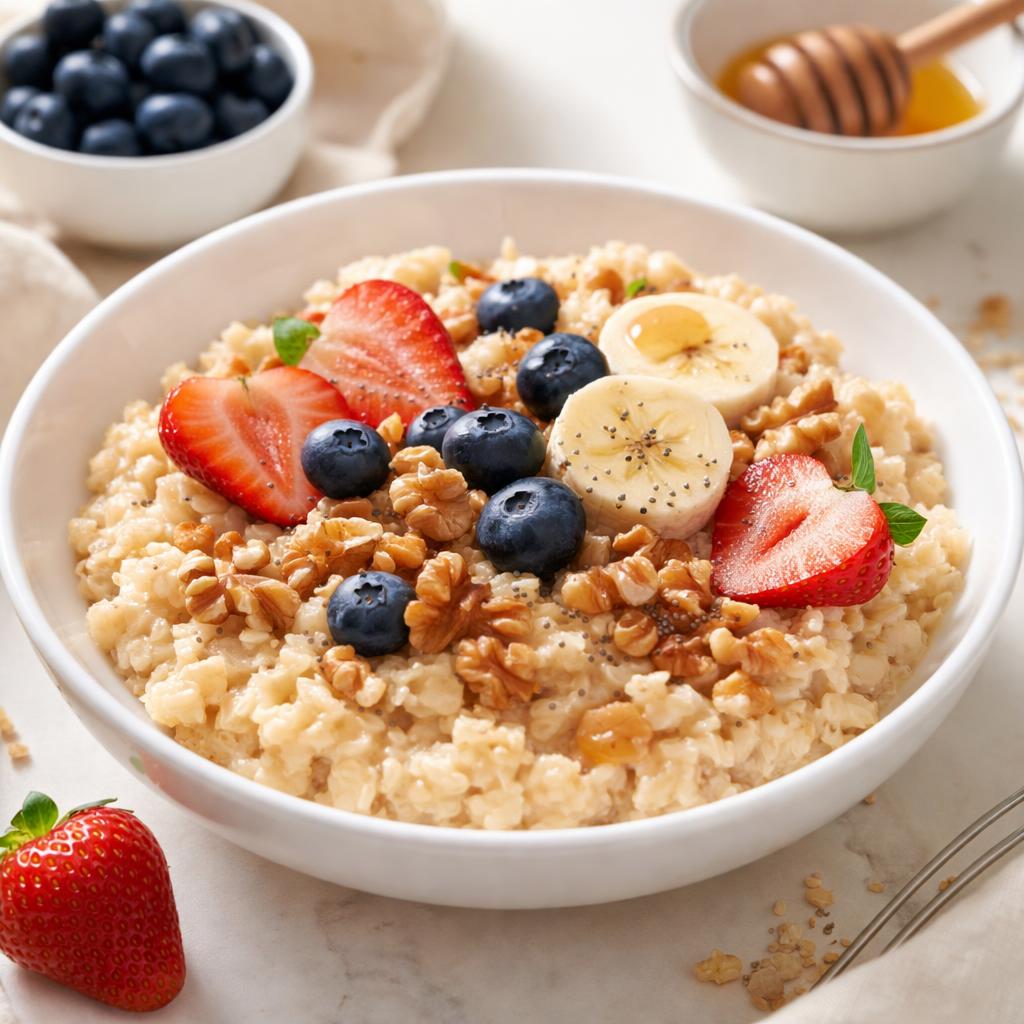
Oats
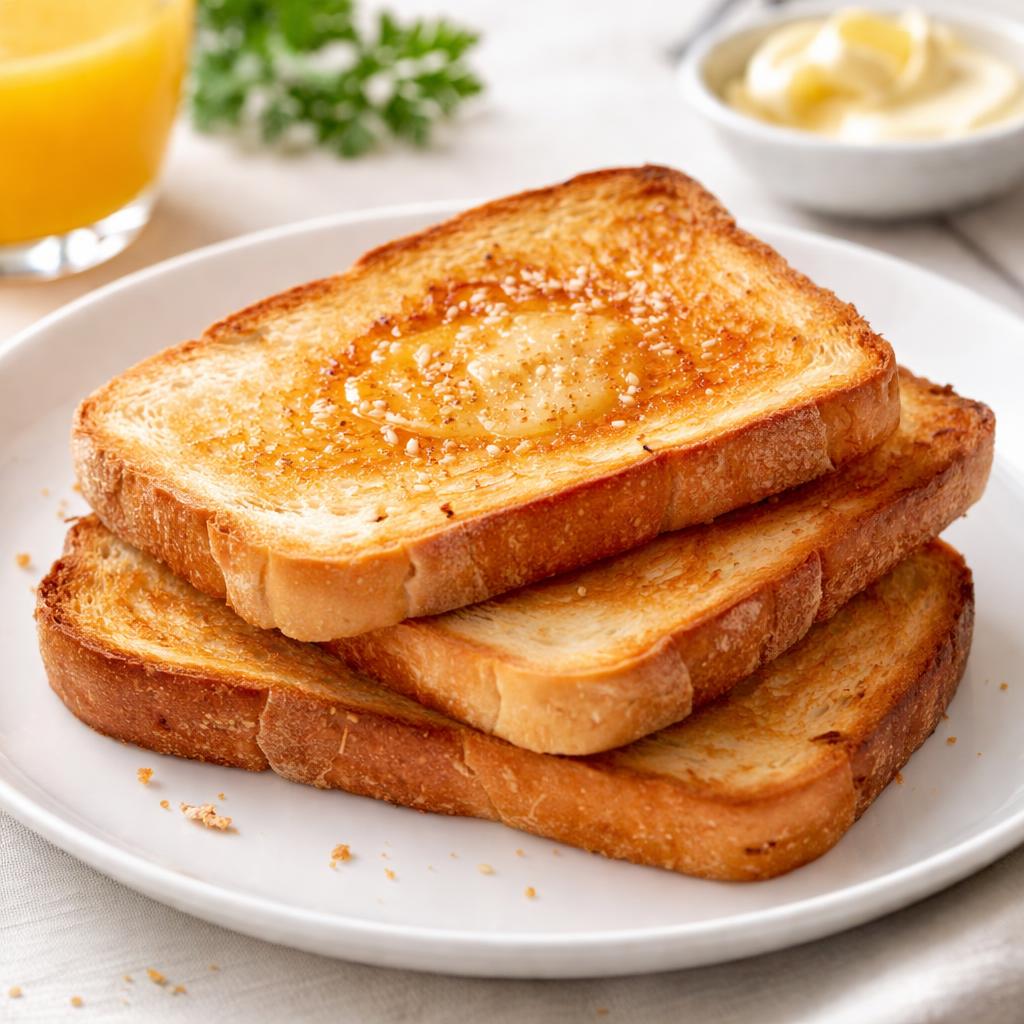
Toasted Bread
🎯 Quick Verdict
Oats are more nutrient-dense overall, offering superior fiber and micronutrient content, while toasted bread is quicker to prepare and easier to incorporate into various meals. Oats are best for sustained energy and digestion support, while toasted bread excels in convenience and pairing with spreads or toppings.

Smart Nutrition Tracking with SnapCalorie

📊 Nutritional Comparison
Macronutrients
| Nutrient | Food 1 | Food 2 | Winner |
|---|---|---|---|
| Calories | 150 | 80 | ✓ |
| Protein | 5g | 5g | − |
| Carbs | 27g | 15g | ✓ |
| Fat | 3g | 1g | ✓ |
| Fiber | 4g | 1g | ✓ |
Vitamins & Minerals
| Nutrient | Food 1 | Food 2 | Winner |
|---|---|---|---|
| Vitamin D | 0mcg | 0mcg | − |
| Calcium | 30mg | 50mg | ✓ |
| Iron | 2mg | 0.5mg | ✓ |
🏆 Category Winners
Protein
Both foods contain 5g of protein per serving.
Fiber
Oats contain four times as much fiber as toasted bread.
Calories
Toasted bread has almost half the calories per serving compared to oats.
Vitamins
Oats have higher levels of iron, a key nutrient for energy production.
🥗 Diet Compatibility
Keto
Food 1: Not Compatible
Food 2: Not Compatible
Both foods are high-carb and not suitable for ketogenic diets.
Vegan
Food 1: Compatible
Food 2: Compatible
Both foods are plant-based and vegan-friendly.
Gluten Free
Food 1: Compatible (if certified gluten-free)
Food 2: Not Compatible
Oats may be gluten-free if processed in dedicated facilities, while bread commonly contains gluten.
Paleo
Food 1: Not Compatible
Food 2: Not Compatible
Both foods contain grains, which are excluded in paleo diets.
Low Carb
Food 1: Not Compatible
Food 2: Not Compatible
Both are relatively high in carbohydrates.
💪 Health Benefits Comparison
Food 1 Benefits
- Excellent source of dietary fiber for digestive health
- Contains beta-glucans that may help regulate cholesterol levels
- Rich in iron for improved energy production
- Provides slow-releasing complex carbs for sustained energy
Food 2 Benefits
- Low in calories for those watching their energy intake
- Easy to digest and suitable for light meals
- Good source of calcium for bone health
- Pairs well with various nutrient-rich toppings, allowing customization
✅ The Bottom Line
Choose oats if you need a nutrient-dense, fiber-packed food for sustained energy and improved digestion. Opt for toasted bread for its convenience and versatility, especially as part of a light meal or snack. Both options can fit into balanced diets, depending on your priorities.
Choose Food 1 for: Heart health, digestion support, long-lasting energy
Choose Food 2 for: Quick meals, low-calorie snacks, bone health when paired with calcium-rich toppings


