Oats VS Rice Crispy
A detailed nutritional comparison
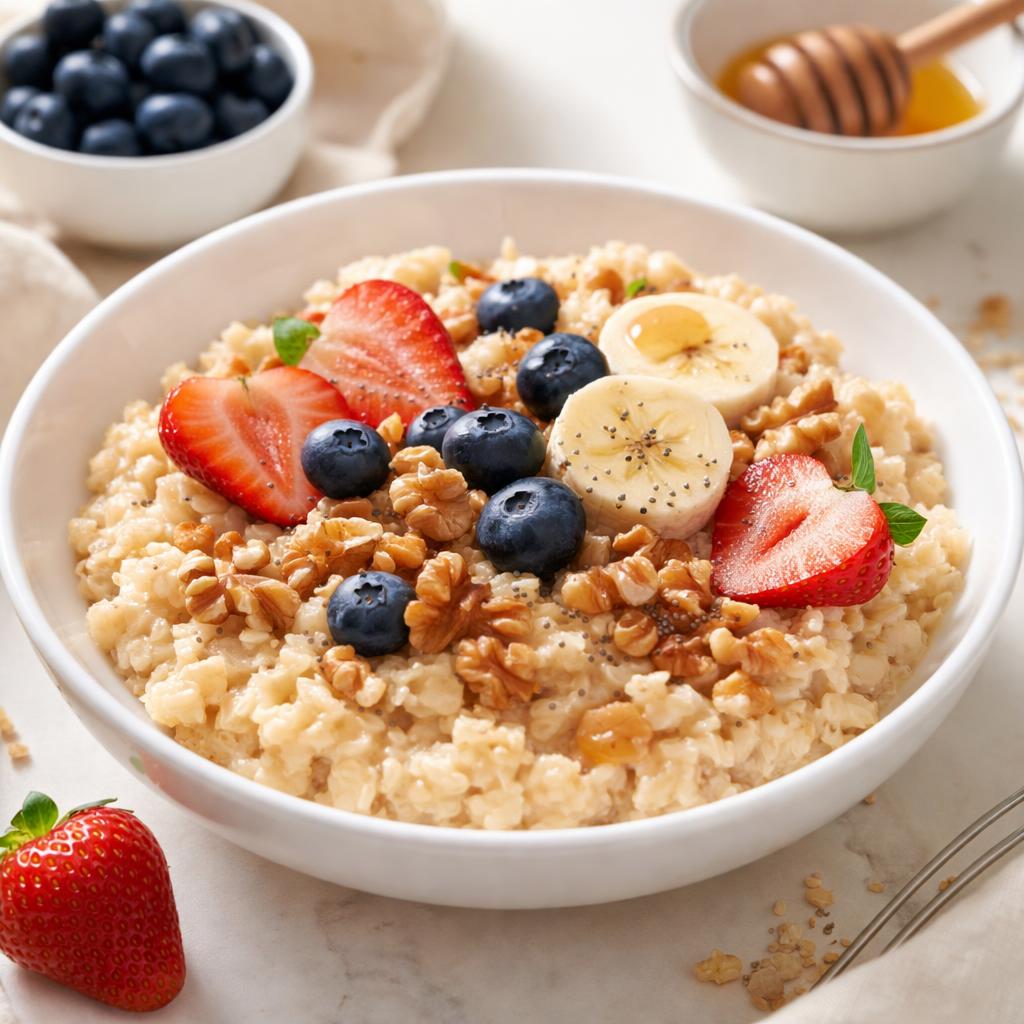
Oats
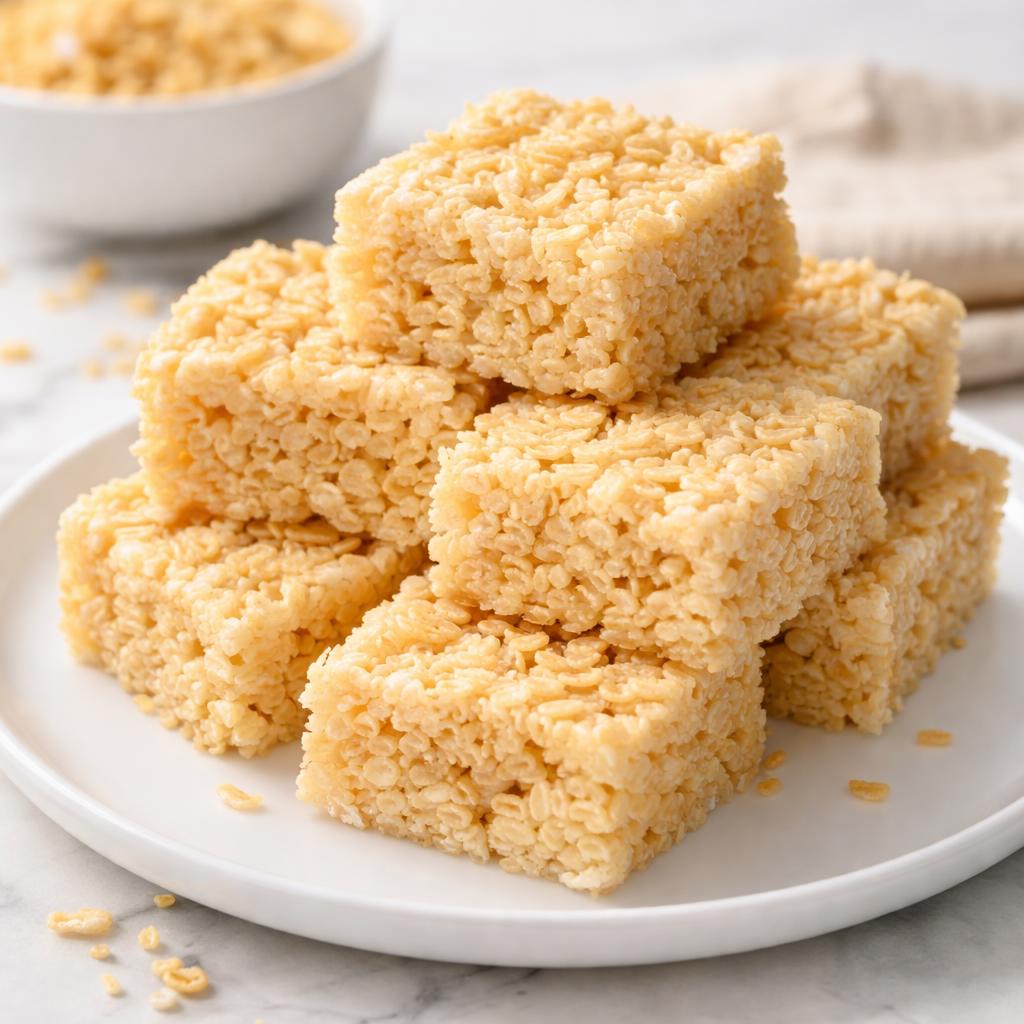
Rice Crispy
🎯 Quick Verdict
Oats are nutrient-dense, high in protein, fiber, and micronutrients, making them ideal for weight management and sustained energy. Rice crispies are lighter, lower in nutrients, and are better suited for quick-energy needs or a lower-fiber option. Both foods can fit into different dietary contexts, but oats offer superior nutritional benefits overall.

Smart Nutrition Tracking with SnapCalorie

📊 Nutritional Comparison
Macronutrients
| Nutrient | Food 1 | Food 2 | Winner |
|---|---|---|---|
| Calories | 150 | 120 | ✓ |
| Protein | 5g | 1g | ✓ |
| Carbs | 27g | 28g | ✓ |
| Fat | 3g | 0g | ✓ |
| Fiber | 4g | 0g | ✓ |
Vitamins & Minerals
| Nutrient | Food 1 | Food 2 | Winner |
|---|---|---|---|
| Vitamin D | 0mcg | 0mcg | − |
| Calcium | 20mg | 0mg | ✓ |
| Iron | 1.7mg | 0.3mg | ✓ |
🏆 Category Winners
Protein
Oats have 5 times more protein than rice crispies per serving.
Fiber
Oats contain 4g of fiber while rice crispies have 0g.
Calories
Rice crispies are 20% lower in calories.
Vitamins
Oats provide more essential vitamins and minerals like iron and calcium.
🥗 Diet Compatibility
Keto
Food 1: Not Compatible
Food 2: Not Compatible
Both are high-carb and not suited for keto diets.
Vegan
Food 1: Compatible
Food 2: Compatible
Neither food contains animal products.
Gluten Free
Food 1: Depends
Food 2: Compatible
Oats may contain trace gluten unless labeled gluten-free. Rice crispies are naturally gluten-free.
Paleo
Food 1: Not Compatible
Food 2: Not Compatible
Both foods are processed grains, not paleo-approved.
Low Carb
Food 1: Not Compatible
Food 2: Not Compatible
Both contain over 27g carbs per serving.
💪 Health Benefits Comparison
Food 1 Benefits
- Rich in fiber for digestion and improved gut health
- Good source of protein for muscle maintenance
- Contains essential minerals like iron and calcium
- Helps sustain energy levels due to complex carbohydrates
Food 2 Benefits
- Quick source of energy for immediate calorie needs
- Light and easy to digest for sensitive stomachs
- Low fat, making it suitable for low-fat diets
- Can be fortified with vitamins depending on formulation
✅ The Bottom Line
Oats are the nutritionally superior choice with more protein, fiber, and micronutrients, ideal for weight management, heart health, and sustained energy. Rice crispies, though lighter and lower in calories, provide quick energy and are suitable as an occasional snack or easy-to-digest option.
Choose Food 1 for: Weight management, high-protein diets, heart health, sustained energy
Choose Food 2 for: Quick energy, low-fat diets, light snacking, sensitive stomachs


