Oats VS Pumpkin Bread
A detailed nutritional comparison
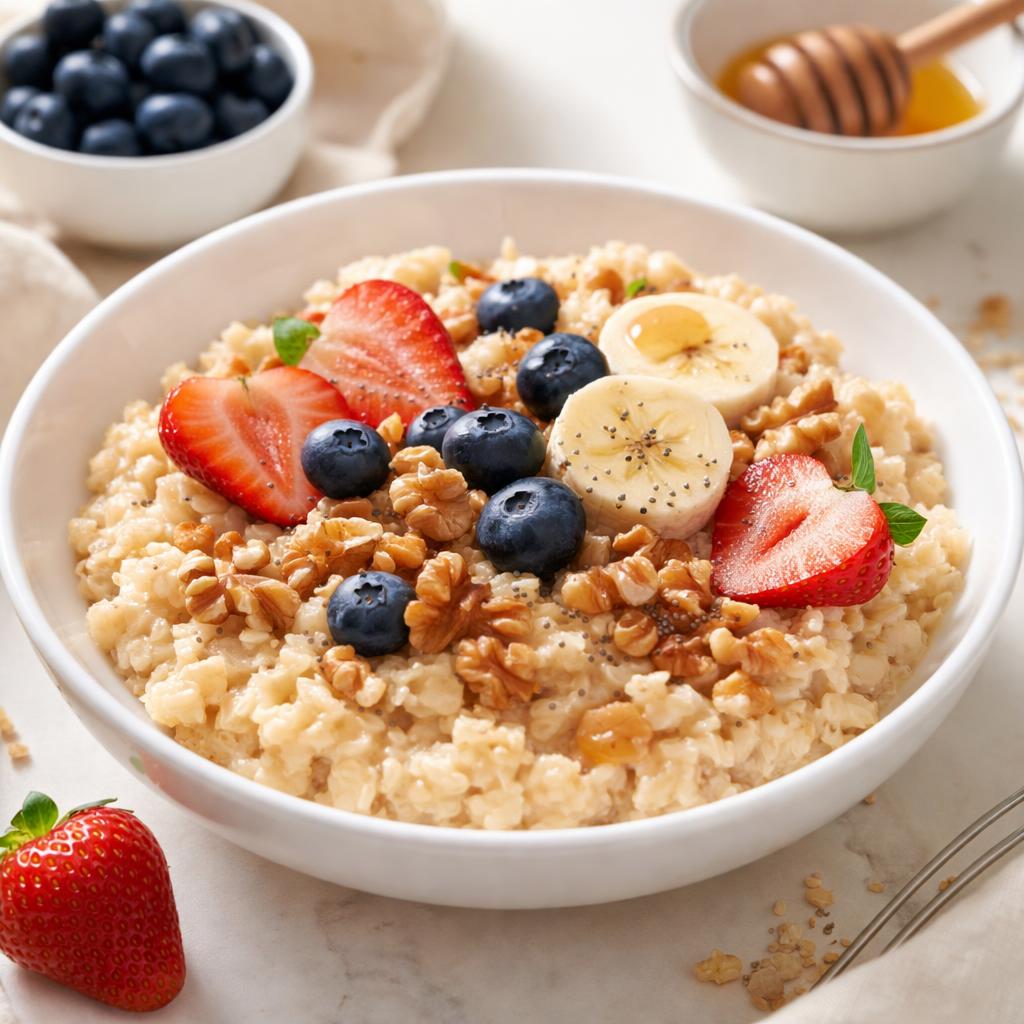
Oats
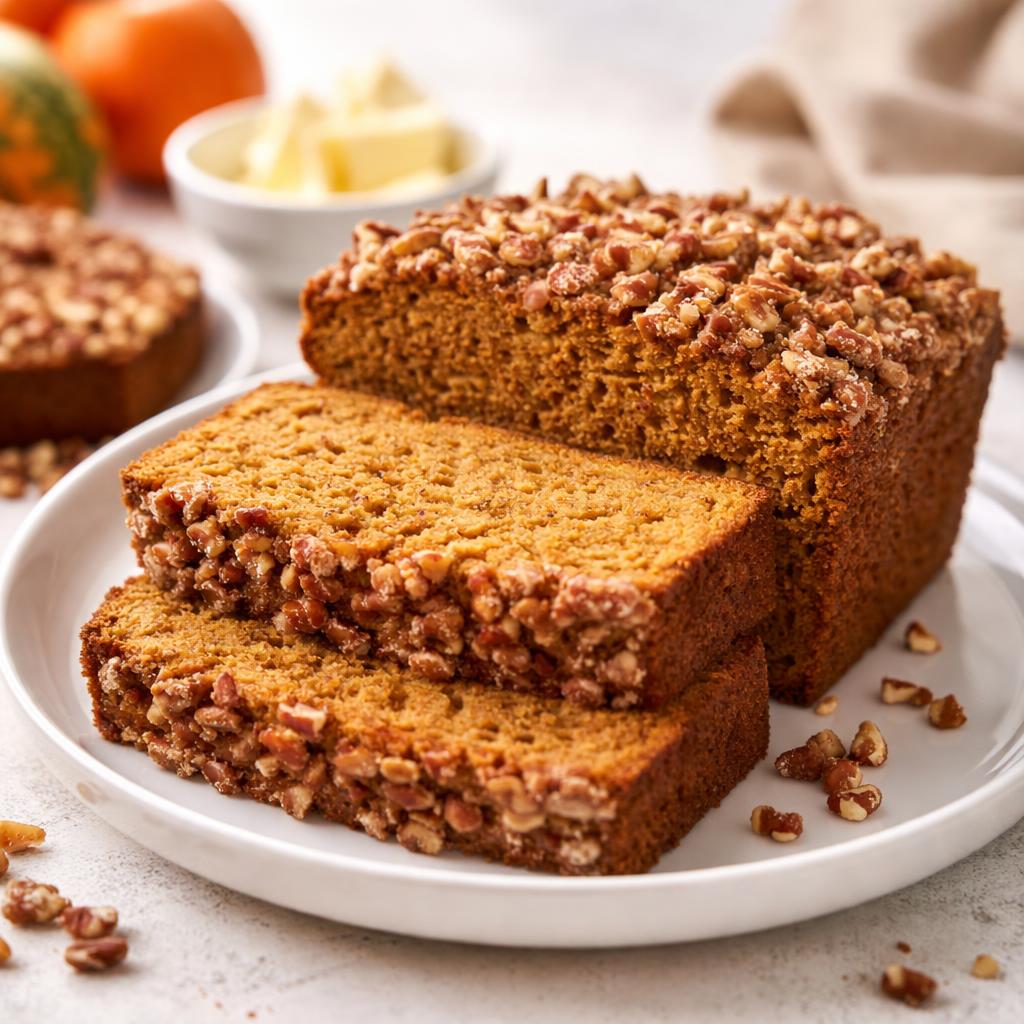
Pumpkin Bread
🎯 Quick Verdict
Oats and pumpkin bread offer distinct nutritional profiles. Oats are higher in protein, fiber, and lower in calories, making them ideal for weight loss and heart health. Pumpkin bread is higher in sugar and carbs, providing energy and flavor, but should be consumed in moderation for balanced diets.

Smart Nutrition Tracking with SnapCalorie

📊 Nutritional Comparison
Macronutrients
| Nutrient | Food 1 | Food 2 | Winner |
|---|---|---|---|
| Calories | 150 | 200 | ✓ |
| Protein | 5g | 3g | ✓ |
| Carbs | 27g | 30g | ✓ |
| Fat | 3g | 8g | ✓ |
| Fiber | 4g | 2g | ✓ |
Vitamins & Minerals
| Nutrient | Food 1 | Food 2 | Winner |
|---|---|---|---|
| Vitamin A | 0mcg | 500mcg | ✓ |
| Calcium | 40mg | 50mg | ✓ |
| Iron | 1.5mg | 1mg | ✓ |
🏆 Category Winners
Protein
Oats have 67% more protein per serving.
Fiber
Oats provide double the fiber content, supporting digestion.
Calories
Oats contain 25% fewer calories.
Vitamins
Pumpkin bread is rich in Vitamin A and has slightly more calcium.
🥗 Diet Compatibility
Keto
Food 1: Not Compatible
Food 2: Not Compatible
Both foods are high in carbs.
Vegan
Food 1: Compatible
Food 2: Depends on recipe
Oats are vegan-friendly, while pumpkin bread may contain eggs or dairy.
Gluten Free
Food 1: Compatible with gluten-free oats
Food 2: Not Compatible
Pumpkin bread typically uses wheat flour.
Paleo
Food 1: Not Compatible
Food 2: Not Compatible
Neither aligns with paleo guidelines due to grains and processed elements.
Low-Carb
Food 1: Not Compatible
Food 2: Not Compatible
Both are carbohydrate-rich foods.
💪 Health Benefits Comparison
Food 1 Benefits
- Rich in fiber to support digestion and heart health
- Contains plant-based protein for muscle repair
- May help reduce cholesterol levels
Food 2 Benefits
- High in Vitamin A to support vision and immunity
- Provides quick energy from carbs and healthy fats
- Offers seasonal antioxidants for wellness
✅ The Bottom Line
Oats are a better choice for weight management, muscle repair, and heart health due to their high fiber and protein content. Pumpkin bread is better for occasional indulgence or quick energy, thanks to its delicious flavor and higher vitamin content.
Choose Food 1 for: Weight loss, heart health, digestion improvement
Choose Food 2 for: Quick energy, seasonal treats, Vitamin A boost


