Oats VS Protein Bread
A detailed nutritional comparison
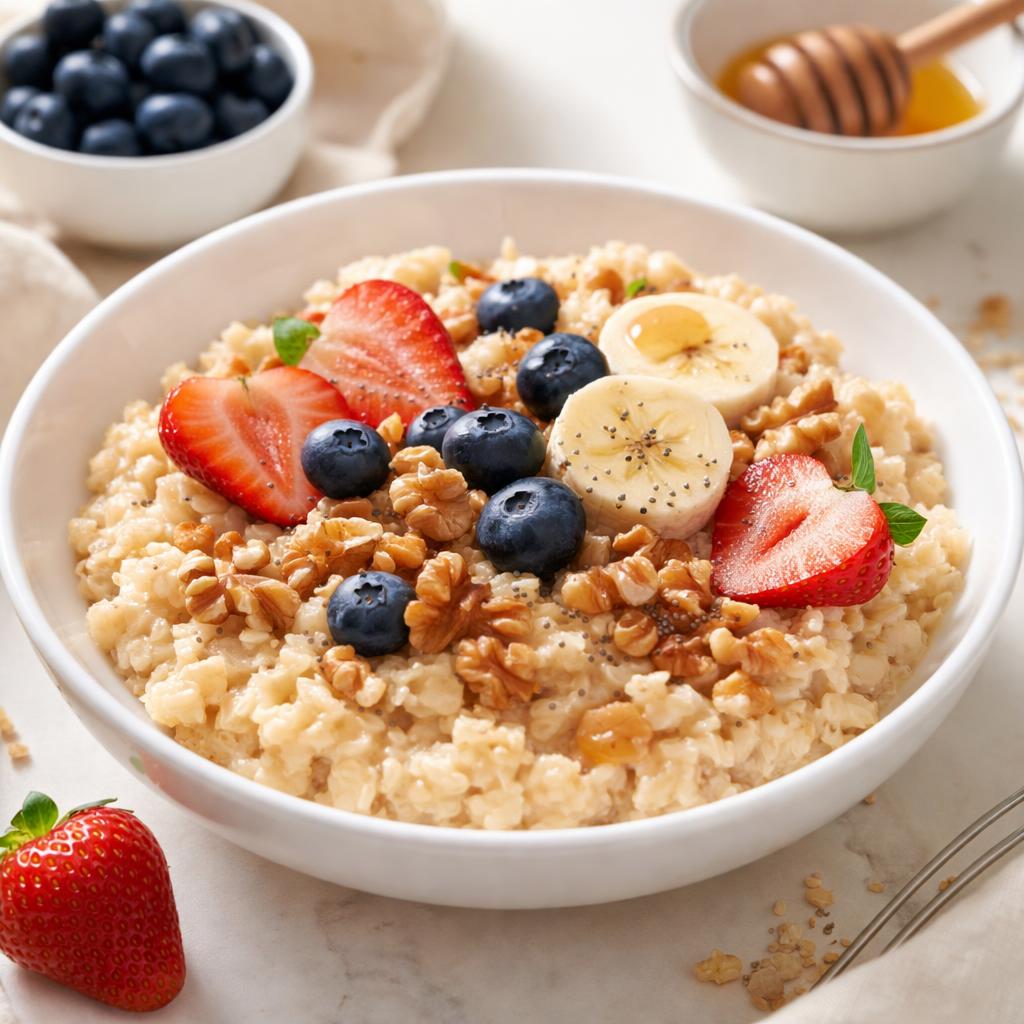
Oats
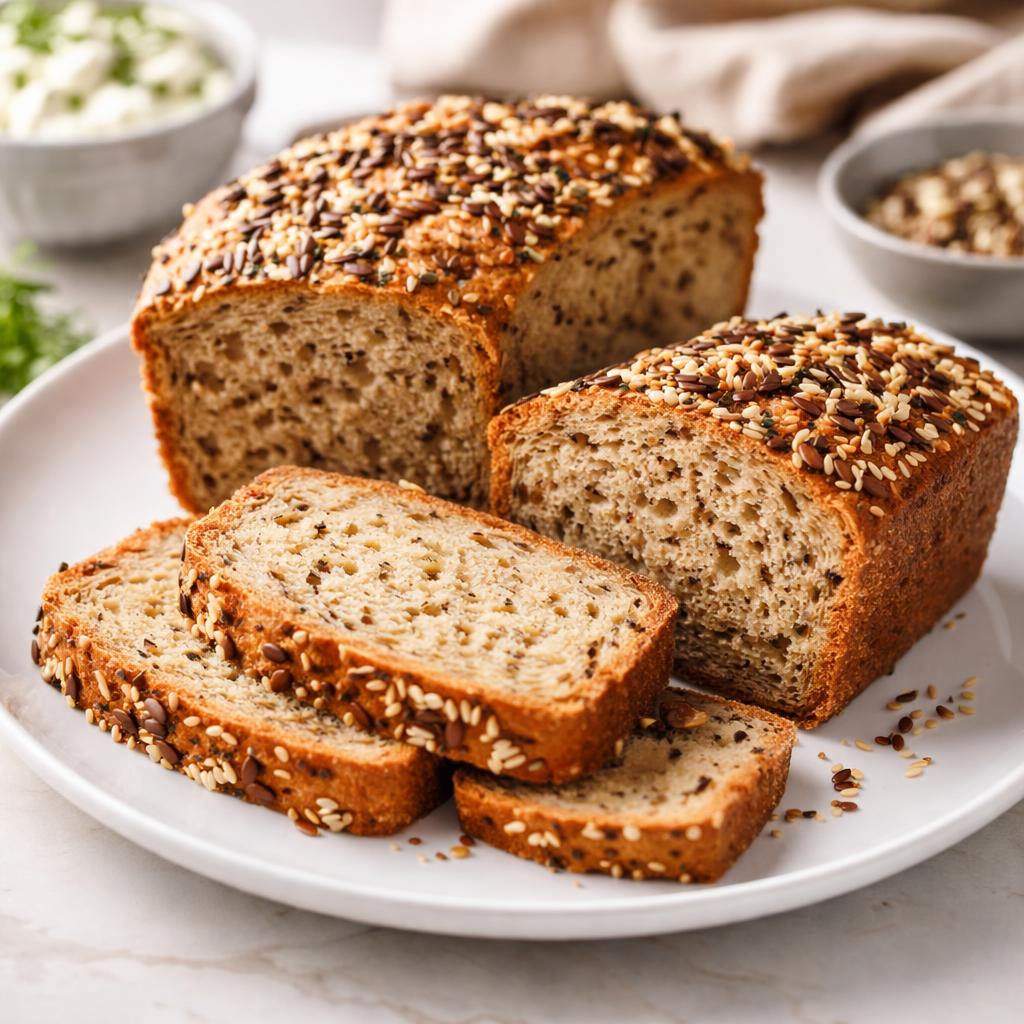
Protein Bread
🎯 Quick Verdict
Oats and protein bread each offer distinct nutritional benefits. Oats are richer in fiber and lower in calories, making them ideal for digestion and weight management. Protein bread, on the other hand, boasts higher protein content and is better suited for muscle-building and satiety. Both are versatile and compatible with a range of diets, but serve different purposes based on your goals.

Smart Nutrition Tracking with SnapCalorie

📊 Nutritional Comparison
Macronutrients
| Nutrient | Food 1 | Food 2 | Winner |
|---|---|---|---|
| Calories | 150 | 200 | ✓ |
| Protein | 5g | 10g | ✓ |
| Carbs | 27g | 14g | ✓ |
| Fat | 3g | 5g | ✓ |
| Fiber | 4g | 3g | ✓ |
Vitamins & Minerals
| Nutrient | Food 1 | Food 2 | Winner |
|---|---|---|---|
| Vitamin B1 | 0.1mg | 0.2mg | ✓ |
| Magnesium | 60mg | 20mg | ✓ |
| Iron | 1mg | 2mg | ✓ |
🏆 Category Winners
Protein
Protein bread provides 100% more protein per serving compared to oats.
Fiber
Oats offer 33% more fiber, aiding digestion.
Calories
Oats have 25% fewer calories per serving.
Vitamins
Oats are richer in magnesium, while protein bread offers more iron and B vitamins.
🥗 Diet Compatibility
Keto
Food 1: Not Compatible
Food 2: Compatible
Protein bread is low-carb (14g vs oats' 27g).
Vegan
Food 1: Compatible
Food 2: Varies
Oats are always vegan, while protein bread may contain animal-based ingredients (check label).
Gluten Free
Food 1: Varies
Food 2: Varies
Gluten-free oats and protein bread are available, but check certification.
Paleo
Food 1: Not Compatible
Food 2: Not Compatible
Both foods contain grains, which are excluded in paleo diets.
Low-Carb
Food 1: Not Compatible
Food 2: Compatible
Protein bread is lower in carbs, making it suitable for low-carb diets.
💪 Health Benefits Comparison
Food 1 Benefits
- Rich in fiber for digestion and gut health
- Good source of magnesium to support bone health
- Contains antioxidants to reduce inflammation
Food 2 Benefits
- High protein content for muscle repair and growth
- Lower in carbs, suitable for diabetic and low-carb diets
- Rich in iron and B vitamins for energy production
✅ The Bottom Line
Both oats and protein bread serve different dietary needs. Choose oats for digestion support, sustainable energy, or weight management, particularly in plant-based diets. Opt for protein bread when prioritizing protein intake or following low-carb or keto diets.
Choose Food 1 for: Digestion, energy, weight loss, vegan diets
Choose Food 2 for: Muscle gain, low-carb diets, satiety


