Noodles VS Zucchini Noodles
A detailed nutritional comparison
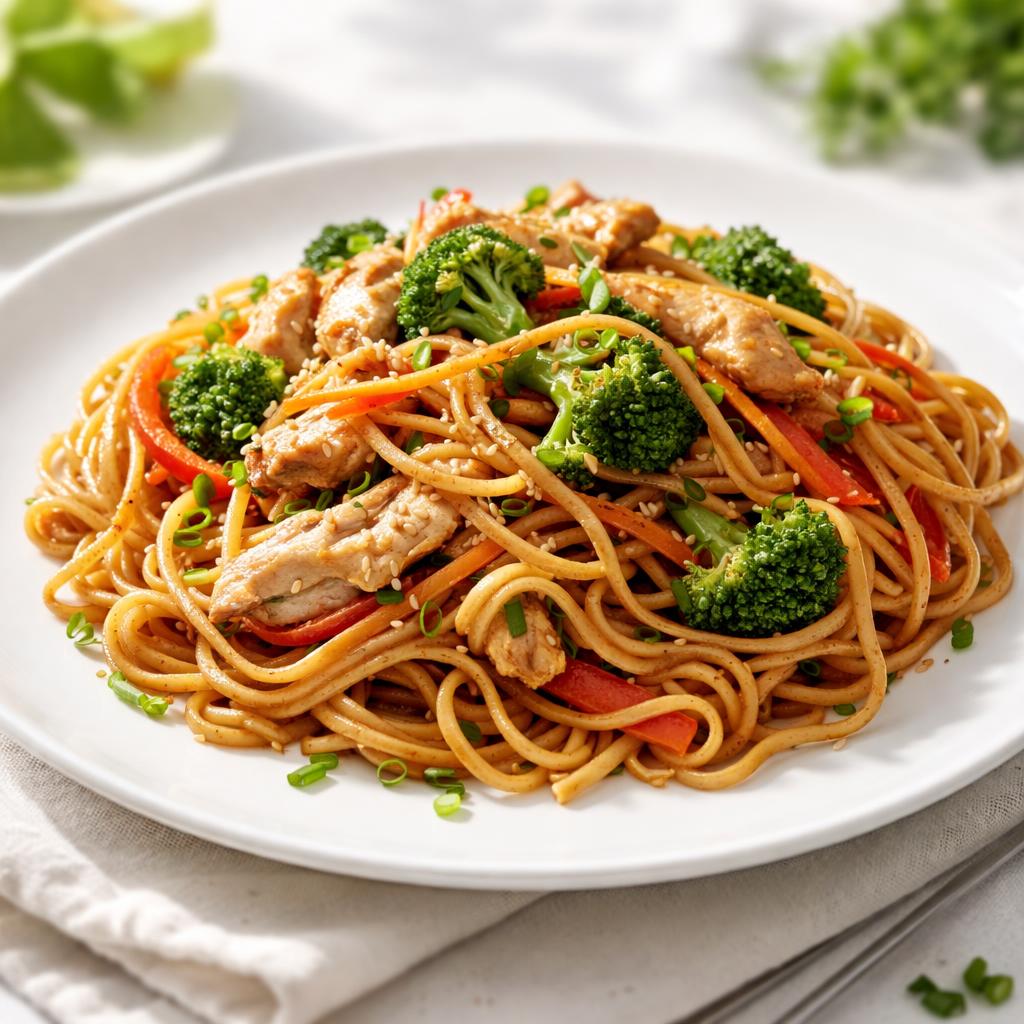
Noodles
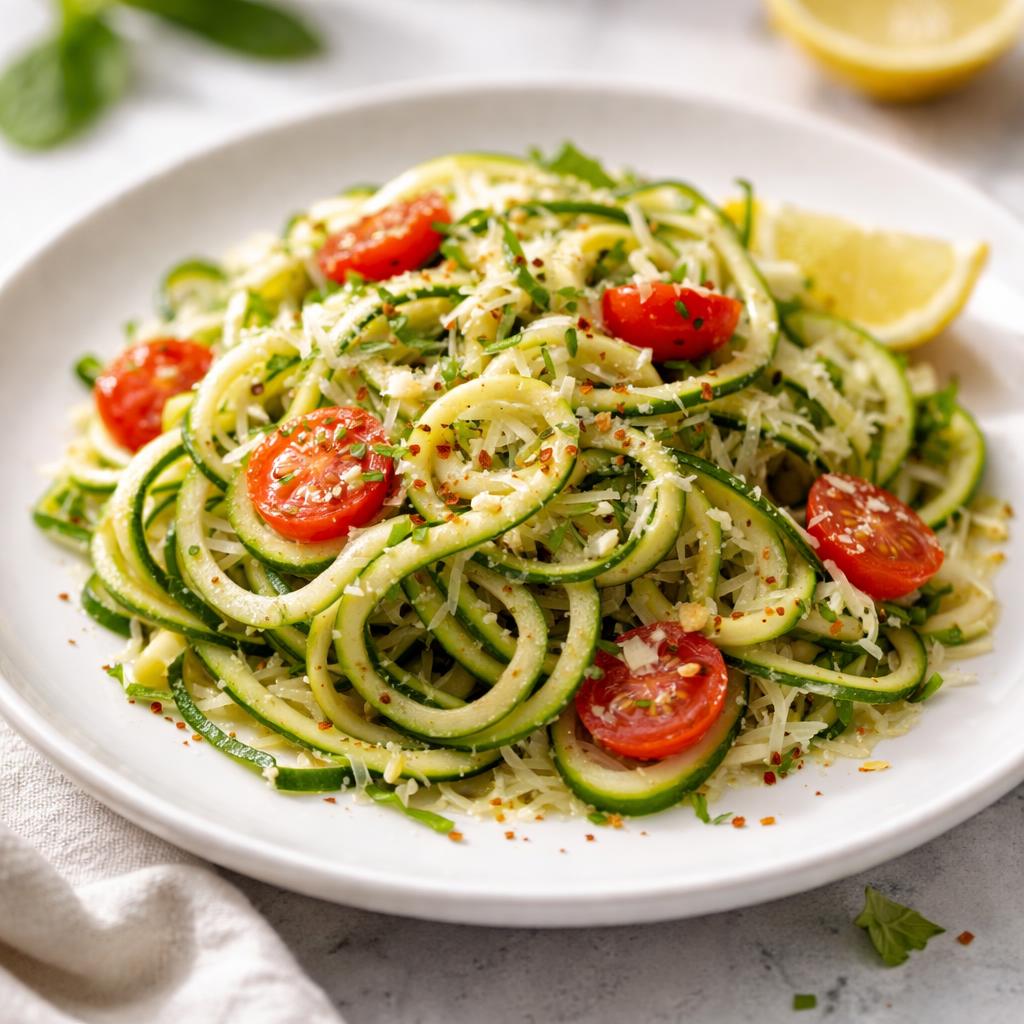
Zucchini Noodles
🎯 Quick Verdict
Zucchini noodles are a lower-calorie, nutrient-dense alternative to traditional noodles. While both provide similar amounts of protein, zucchini noodles outshine in fiber content and are significantly lower in carbohydrates and calories, making them ideal for weight management and low-carb diets. Traditional noodles may be preferable for individuals seeking higher energy intake for active lifestyles.

Smart Nutrition Tracking with SnapCalorie

📊 Nutritional Comparison
Macronutrients
| Nutrient | Food 1 | Food 2 | Winner |
|---|---|---|---|
| Calories | 220 | 33 | ✓ |
| Protein | 8g | 2g | − |
| Carbs | 43g | 7g | ✓ |
| Fat | 1g | 0.7g | ✓ |
| Fiber | 2g | 2.4g | ✓ |
Vitamins & Minerals
| Nutrient | Food 1 | Food 2 | Winner |
|---|---|---|---|
| Vitamin C | 1mg | 17mg | ✓ |
| Vitamin A | 0IU | 392IU | ✓ |
| Potassium | 110mg | 330mg | ✓ |
🏆 Category Winners
Protein
Both foods provide comparable protein levels per serving.
Fiber
Zucchini noodles have slightly higher fiber content.
Calories
Zucchini noodles are 85% lower in calories compared to regular noodles.
🥗 Diet Compatibility
Keto
Food 1: Not Compatible
Food 2: Compatible
Zucchini noodles are low-carb.
Vegan
Food 1: Compatible
Food 2: Compatible
Both are plant-based.
Gluten Free
Food 1: Not Compatible unless GF-certified
Food 2: Compatible
Zucchini noodles are naturally gluten-free.
Paleo
Food 1: Not Compatible
Food 2: Compatible
Zucchini noodles fit paleo guidelines.
Low Carb
Food 1: Not Compatible
Food 2: Compatible
Zucchini noodles have far fewer carbohydrates (7g vs 43g).
💪 Health Benefits Comparison
Food 1 Benefits
- Provides quick energy from carbohydrates
- Supports active lifestyles due to higher calorie content
- Low in fat for general weight maintenance
Food 2 Benefits
- Low-calorie, perfect for weight loss
- Rich in Vitamin C and antioxidants for immune support
- Contains potassium to support heart health and muscle function
- Low-carb option for managing blood sugar levels
✅ The Bottom Line
Choose zucchini noodles if you are focused on weight loss, low-carb or keto eating, or nutrient density. Traditional noodles are better for those seeking higher energy intake and a more filling option for active lifestyles.
Choose Food 1 for: Active lifestyles, high-energy meals, traditional recipes
Choose Food 2 for: Weight-loss, low-carb or keto diets, nutrient-dense meals


