Noodles VS Whole Grain Pasta
A detailed nutritional comparison
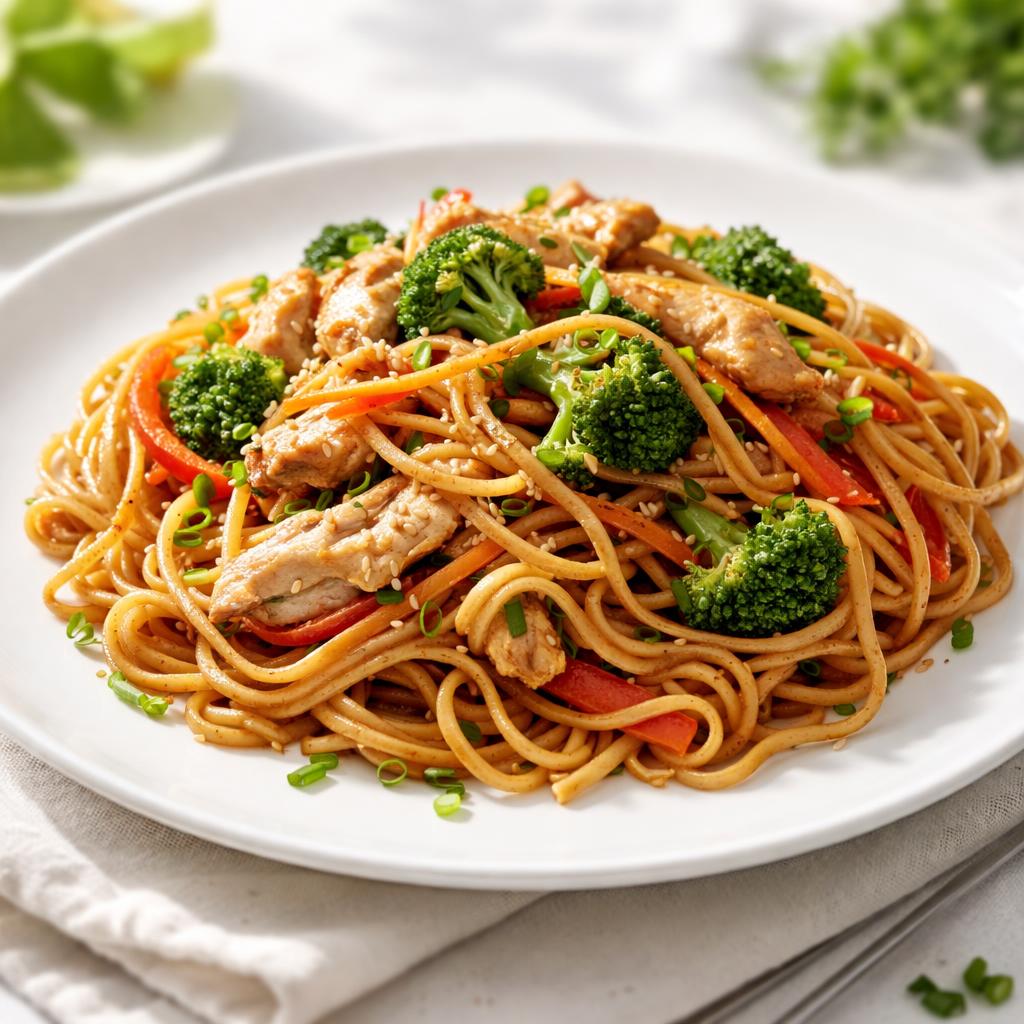
Noodles
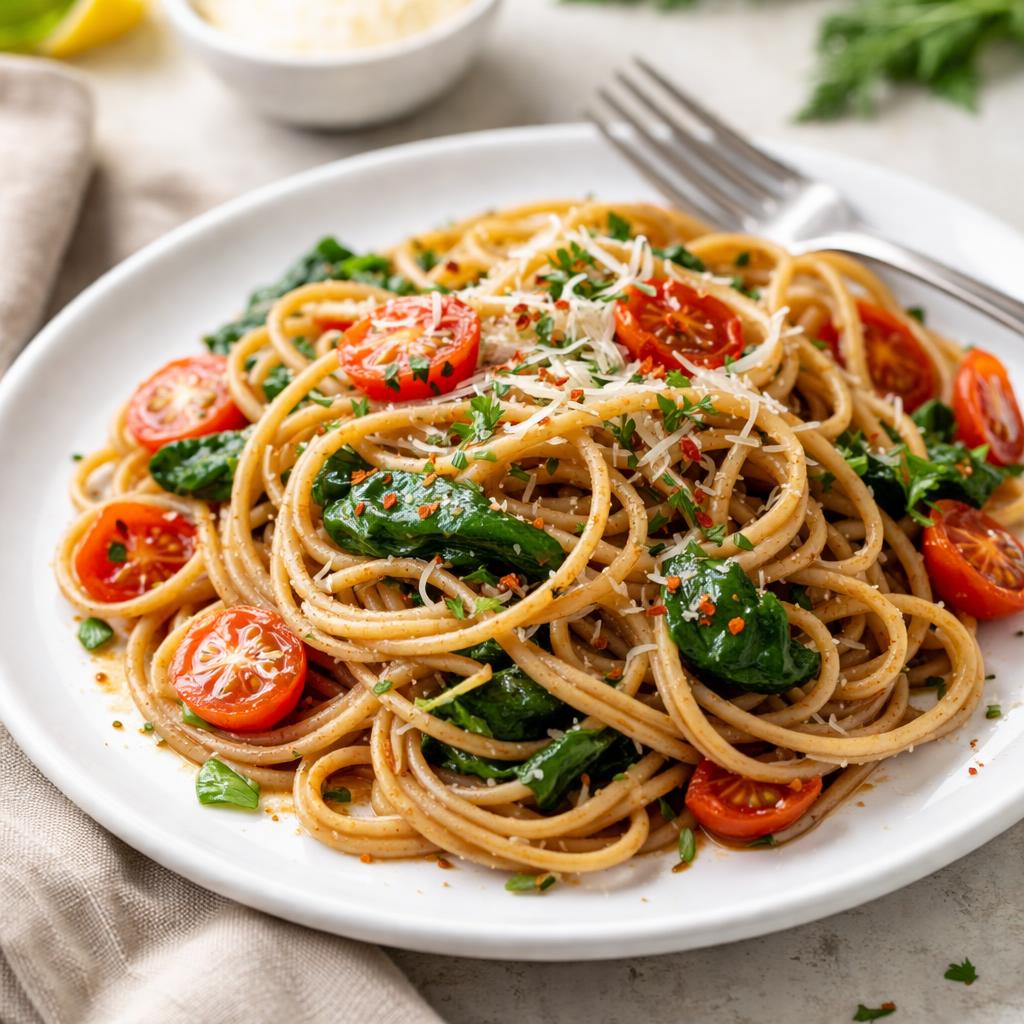
Whole Grain Pasta
🎯 Quick Verdict
Whole grain pasta is nutritionally superior to traditional noodles due to its higher protein (7.5g vs. 4g) and fiber (6g vs. 2g) content per 100g. Both have similar calorie counts (~130 per 100g), but noodles are lower in nutrients overall. Noodles are best for lighter meals, while whole grain pasta supports more nutrient-dense diets, including weight loss plans and sustained energy needs.

Smart Nutrition Tracking with SnapCalorie

📊 Nutritional Comparison
Macronutrients
| Nutrient | Food 1 | Food 2 | Winner |
|---|---|---|---|
| Calories | 130 | 130 | − |
| Protein | 4g | 7.5g | − |
| Carbs | 25g | 27g | ✓ |
| Fat | 1g | 1.2g | ✓ |
| Fiber | 2g | 6g | − |
Vitamins & Minerals
| Nutrient | Food 1 | Food 2 | Winner |
|---|---|---|---|
| Vitamin B6 | 0.05mg | 0.1mg | − |
| Iron | 0.8mg | 2.5mg | − |
| Magnesium | 12mg | 45mg | − |
🏆 Category Winners
Protein
Whole grain pasta has nearly double the protein content of noodles.
Fiber
Whole grain pasta offers three times more fiber than regular noodles.
Calories
Both foods have similar energy density at 130 calories per 100g.
Vitamins
Whole grain pasta has higher vitamin B6, iron, and magnesium levels.
🥗 Diet Compatibility
Keto
Food 1: Not Compatible
Food 2: Not Compatible
Both foods are high in carbohydrates and do not fit a keto diet.
Vegan
Food 1: Compatible
Food 2: Compatible
Both are plant-based and suitable for vegan diets.
Gluten Free
Food 1: Not Compatible
Food 2: Not Compatible
Both foods contain gluten and are unsuitable for gluten-free diets.
Paleo
Food 1: Not Compatible
Food 2: Not Compatible
Grain-based foods are not allowed on a paleo diet.
Low-Carb
Food 1: Not Compatible
Food 2: Not Compatible
Both foods are high in carbohydrates, exceeding low-carb diet thresholds.
💪 Health Benefits Comparison
Food 1 Benefits
- Provides quick energy due to high carbohydrate content
- Low fat, making it suitable for light meals
- Easy to digest for sensitive stomachs
Food 2 Benefits
- High in fiber to improve digestion and keep you feeling full
- Rich in iron and magnesium for better oxygen transport and muscle function
- Higher protein content for muscle maintenance and growth
✅ The Bottom Line
Choose noodles for quick, light meals or as a low-cost option. Opt for whole grain pasta when prioritizing nutrient density, fiber, and protein intake, such as for weight loss or heart health. Whole grain pasta is the clear winner for long-term health benefits.
Choose Food 1 for: Light meals, quick energy, budget-friendly cooking
Choose Food 2 for: Weight loss, high-fiber diets, nutrient-dense meal planning


