Noodles VS Penne Pasta
A detailed nutritional comparison
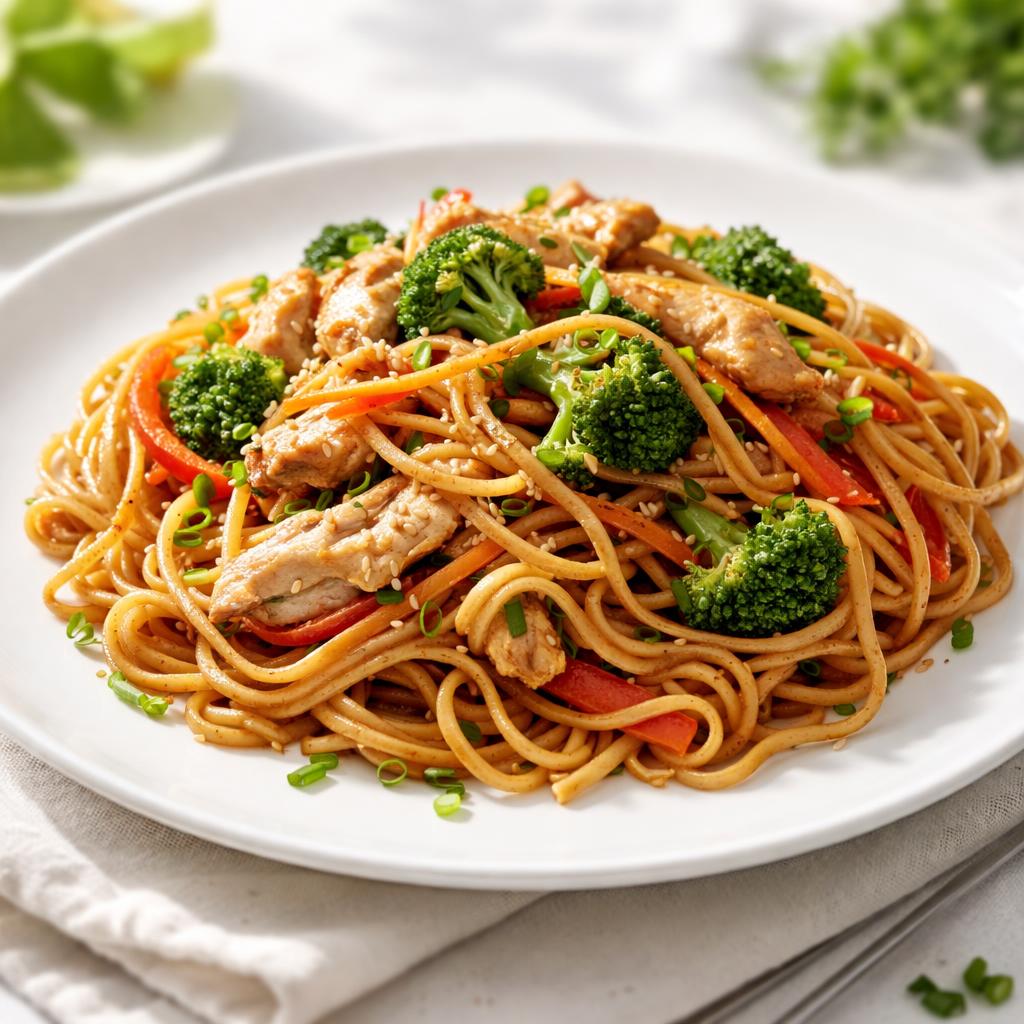
Noodles
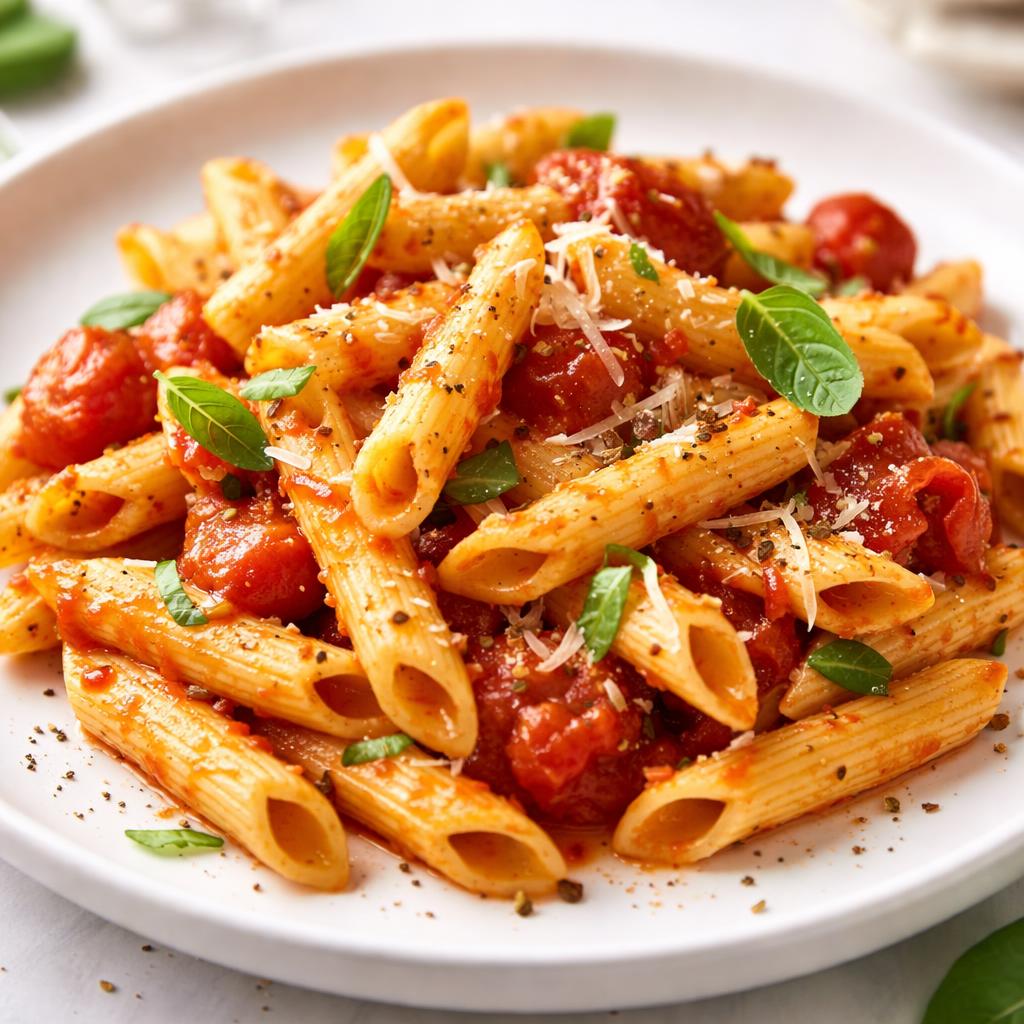
Penne Pasta
🎯 Quick Verdict
Noodles and penne pasta both offer versatility, but differ in key nutrients. Penne pasta is higher in protein and fiber, while noodles contain fewer calories. Choose noodles for lighter meals or penne pasta for more nutrient-dense dishes, especially if looking to increase protein intake or support digestion.

Smart Nutrition Tracking with SnapCalorie

📊 Nutritional Comparison
Macronutrients
| Nutrient | Food 1 | Food 2 | Winner |
|---|---|---|---|
| Calories | 150 kcal (per 100g) | 190 kcal (per 100g) | ✓ |
| Protein | 4g | 7g | ✓ |
| Carbs | 25g | 37g | ✓ |
| Fat | 1g | 1.5g | ✓ |
| Fiber | 1g | 3g | ✓ |
Vitamins & Minerals
| Nutrient | Food 1 | Food 2 | Winner |
|---|---|---|---|
| Vitamin B3 (Niacin) | 1.5mg | 2.4mg | ✓ |
| Iron | 1.2mg | 1.8mg | ✓ |
| Calcium | 10mg | 15mg | ✓ |
🏆 Category Winners
Protein
Penne pasta has almost double the protein content compared to noodles.
Fiber
Penne pasta contains 3g of fiber per serving versus 1g in noodles.
Calories
Noodles have 21% fewer calories per serving compared to penne pasta.
Vitamins
Penne pasta provides more iron, calcium, and B vitamins than noodles.
🥗 Diet Compatibility
Keto
Food 1: Not Compatible
Food 2: Not Compatible
Both are high in carbohydrates and unsuitable for ketogenic diets.
Vegan
Food 1: Compatible
Food 2: Compatible
Both are plant-based and derived predominantly from grains.
Gluten Free
Food 1: Not Compatible
Food 2: Not Compatible
Both contain wheat and are unsuitable for gluten-free diets unless specifically made gluten-free.
Paleo
Food 1: Not Compatible
Food 2: Not Compatible
Neither noodles nor penne pasta align with paleo guidelines involving avoidance of grains and processed foods.
Low Carb
Food 1: Not Compatible
Food 2: Not Compatible
Carbohydrate content in both foods is too high for a low-carb diet.
💪 Health Benefits Comparison
Food 1 Benefits
- Lower in calories for lighter meal options
- Minimal fat content supports low-fat dietary needs
- Quick-cooking option for convenience
Food 2 Benefits
- Higher protein content supports muscle maintenance
- Rich in dietary fiber for digestive health
- Contains B vitamins and iron for enhanced energy and oxygen transport
✅ The Bottom Line
Choose noodles when aiming for lighter meals or fewer calories per serving. Opt for penne pasta for a nutrient-rich option with higher protein and fiber for better energy and digestion.
Choose Food 1 for: Weight management, quick meals, low-fat diets
Choose Food 2 for: Energy-rich meals, improved digestion, post-workout protein intake


