Noodles VS Lemon Rice
A detailed nutritional comparison
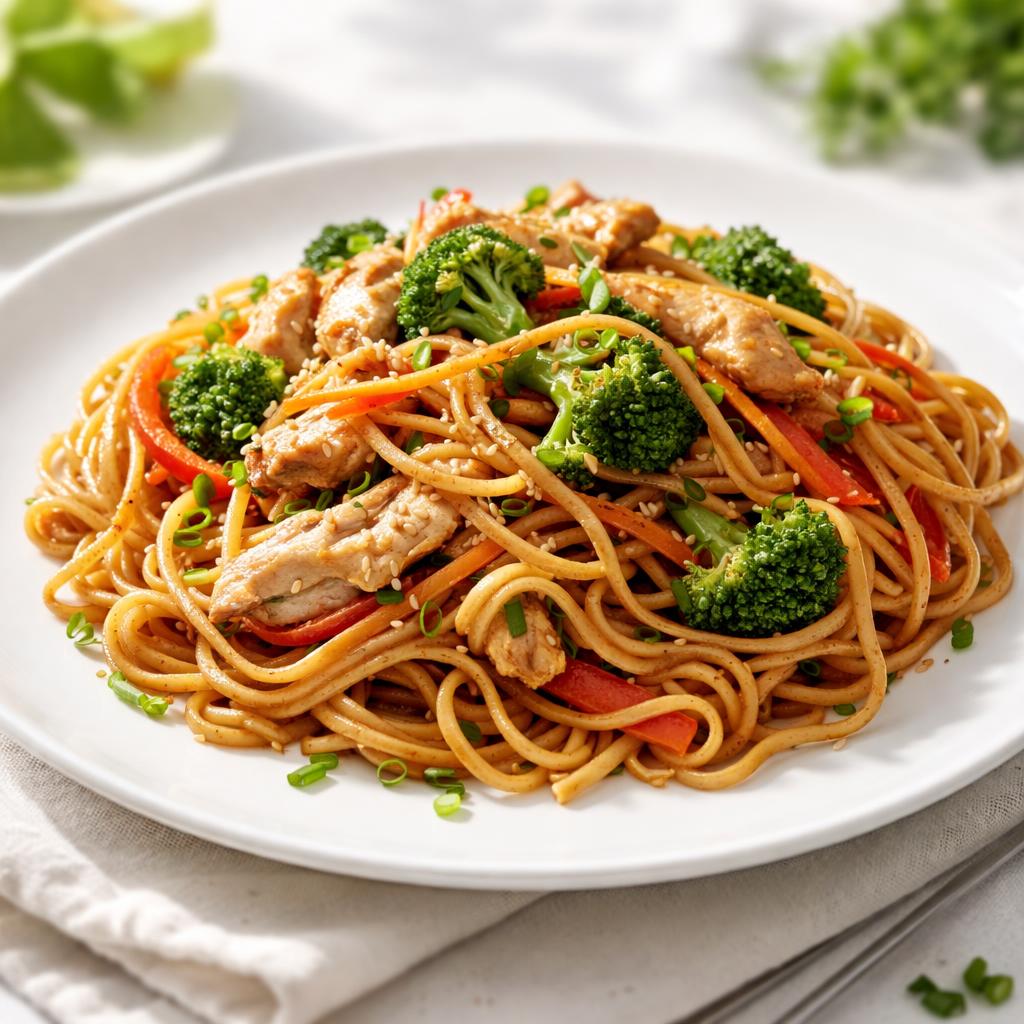
Noodles
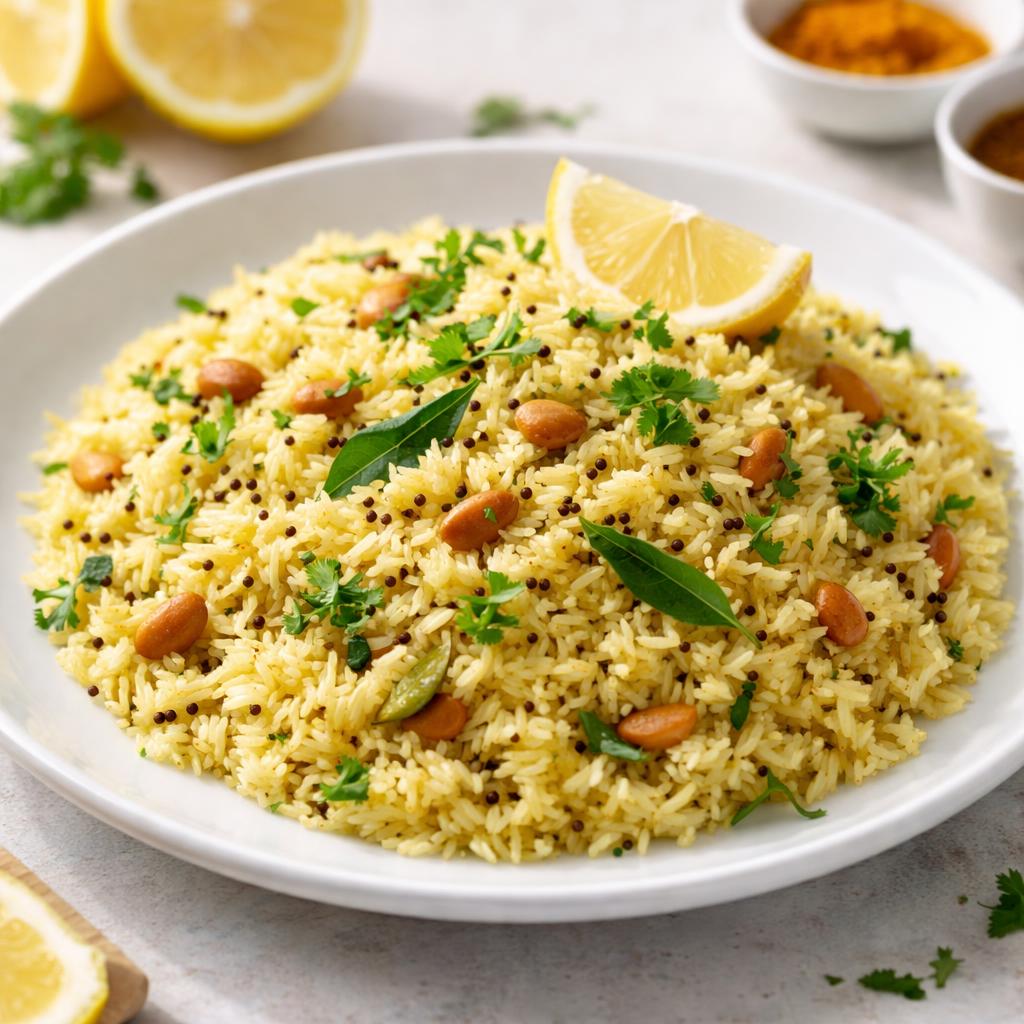
Lemon Rice
🎯 Quick Verdict
Lemon rice has a more balanced nutritional profile with fewer calories, higher fiber, and slightly more protein than noodles. Noodles, however, are lower in fat and can work well in dishes needing a low-fat base. Lemon rice is better suited for those seeking nutrient density and sustained energy from complex carbs and healthy fats.

Smart Nutrition Tracking with SnapCalorie

📊 Nutritional Comparison
Macronutrients
| Nutrient | Food 1 | Food 2 | Winner |
|---|---|---|---|
| Calories | 221 (per cup) | 200 (per cup) | ✓ |
| Protein | 7g | 8g | ✓ |
| Carbs | 40g | 38g | ✓ |
| Fat | 1g | 5g | ✓ |
| Fiber | 2g | 3g | ✓ |
Vitamins & Minerals
| Nutrient | Food 1 | Food 2 | Winner |
|---|---|---|---|
| Vitamin D | 0mcg | 0mcg | − |
| Calcium | 13mg | 25mg | ✓ |
| Iron | 1mg | 1.2mg | ✓ |
🏆 Category Winners
Protein
Lemon rice provides slightly more protein per cup than noodles (1g difference).
Fiber
Lemon rice is higher in fiber, contributing to better digestion support.
Calories
Lemon rice is less calorie-dense compared to noodles, making it a lighter option.
🥗 Diet Compatibility
Keto
Food 1: Not Compatible
Food 2: Not Compatible
Both foods are high in carbs and not suitable for keto diets.
Vegan
Food 1: Compatible
Food 2: Compatible
Both foods are plant-based and vegan-friendly.
Gluten Free
Food 1: Depends
Food 2: Compatible
Noodles may contain gluten unless specifically labeled gluten-free; lemon rice is inherently gluten-free.
Paleo
Food 1: Not Compatible
Food 2: Not Compatible
Both foods contain grains and are unsuitable for paleo diets.
Low-Carb
Food 1: Not Compatible
Food 2: Not Compatible
Neither food is low-carb due to a high carbohydrate content.
💪 Health Benefits Comparison
Food 1 Benefits
- Low in fat, making it suitable for low-fat meals.
- Provides quick energy from carbohydrates.
- Highly versatile for different dishes and cuisines.
Food 2 Benefits
- Good source of fiber for digestive health.
- Moderate protein supports muscle maintenance.
- Contains healthy fats from added ingredients like oil, enhancing heart health.
✅ The Bottom Line
Choose noodles if looking for a versatile, low-fat option for dishes requiring quick carbohydrate energy. Go for lemon rice if seeking a nutrient-dense meal with better overall balance, including fiber, protein, and healthy fats.
Choose Food 1 for: Low-fat meals, quick energy, versatile dishes like stir-fry or pasta.
Choose Food 2 for: Balanced meals, digestion support, sustained energy.


