Noodles VS Japanese Rice
A detailed nutritional comparison
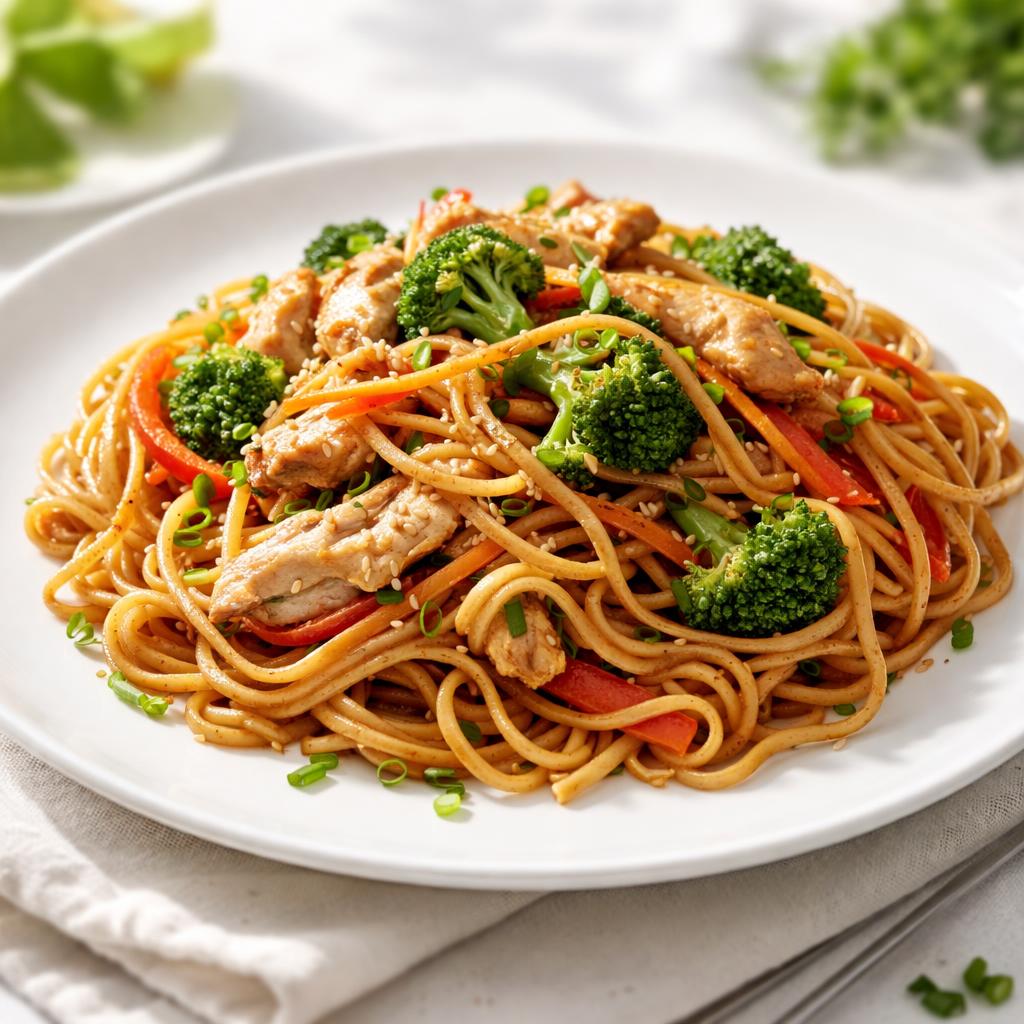
Noodles
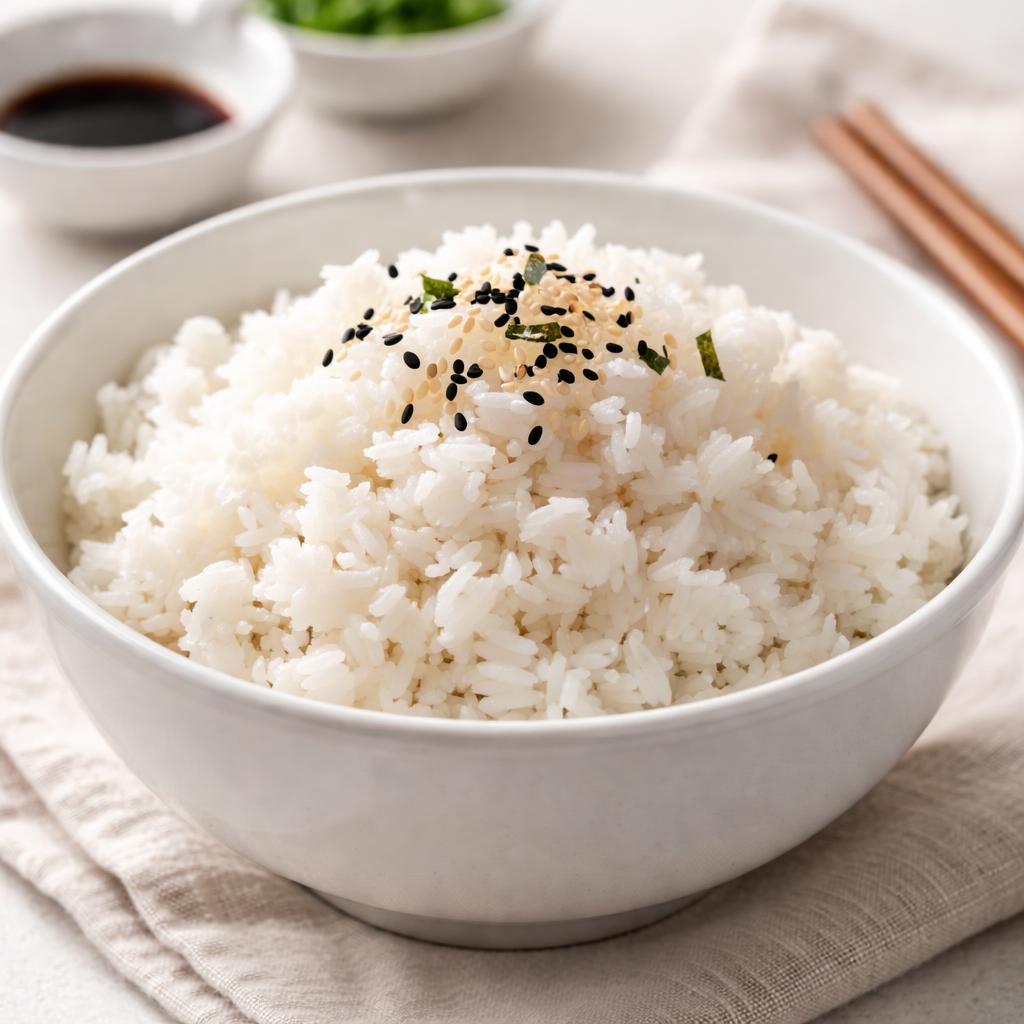
Japanese Rice
🎯 Quick Verdict
Japanese rice provides slightly more protein and fewer calories per serving compared to noodles, making it a better choice for those looking to reduce calorie intake or increase protein. Noodles, however, excel in fiber content and are better for digestion and fullness. Both are versatile grains suited to different dietary needs and recipes.

Smart Nutrition Tracking with SnapCalorie

📊 Nutritional Comparison
Macronutrients
| Nutrient | Food 1 | Food 2 | Winner |
|---|---|---|---|
| Calories | 220 per cup (boiled) | 160 per cup (boiled) | ✓ |
| Protein | 6g per cup | 7g per cup | ✓ |
| Carbs | 42g per cup | 36g per cup | ✓ |
| Fat | 1.5g per cup | 0.5g per cup | ✓ |
| Fiber | 2.5g per cup | 0.6g per cup | ✓ |
Vitamins & Minerals
| Nutrient | Food 1 | Food 2 | Winner |
|---|---|---|---|
| Vitamin D | 0mcg | 0mcg | − |
| Calcium | 15mg | 10mg | ✓ |
| Iron | 0.5mg | 0.2mg | ✓ |
🏆 Category Winners
Protein
Japanese rice provides more protein per serving than noodles.
Fiber
Noodles have significantly higher fiber content compared to Japanese rice.
Calories
Japanese rice is lower in calories by 27% compared to noodles.
Vitamins
Noodles contain slightly higher amounts of calcium and iron.
🥗 Diet Compatibility
Keto
Food 1: Not Compatible
Food 2: Not Compatible
Both are high in carbohydrates and do not fit into a keto diet.
Vegan
Food 1: Compatible
Food 2: Compatible
Both are plant-based foods suitable for vegan diets.
Gluten Free
Food 1: Depends
Food 2: Compatible
Rice is naturally gluten-free, but noodles may contain gluten depending on the type.
Paleo
Food 1: Not Compatible
Food 2: Compatible
Rice fits into paleo diets, but noodles generally do not.
Low-Carb
Food 1: Not Compatible
Food 2: Not Compatible
Both are high-carb foods not suitable for low-carb diets.
💪 Health Benefits Comparison
Food 1 Benefits
- Higher fiber content promotes digestion and satiety.
- Provides small amounts of iron for oxygen transport in the body.
- Versatile ingredient for soups, stir-fries, and salads.
Food 2 Benefits
- Lower in calories and fat, ideal for weight management.
- More protein per serving, beneficial for building and maintaining muscle.
- Naturally gluten-free and suitable for sensitive diets like paleo.
✅ The Bottom Line
If you are looking for a lower-calorie, higher-protein option, Japanese rice is the better pick, especially for paleo or gluten-free diets. Noodles are an excellent choice for those needing extra fiber for digestion or a convenient ingredient for diverse recipes.
Choose Food 1 for: Boosting fiber intake, versatile recipes, improving digestion
Choose Food 2 for: Lower calorie diets, gluten-free options, building muscle


