Noodles VS Instant Noodles
A detailed nutritional comparison
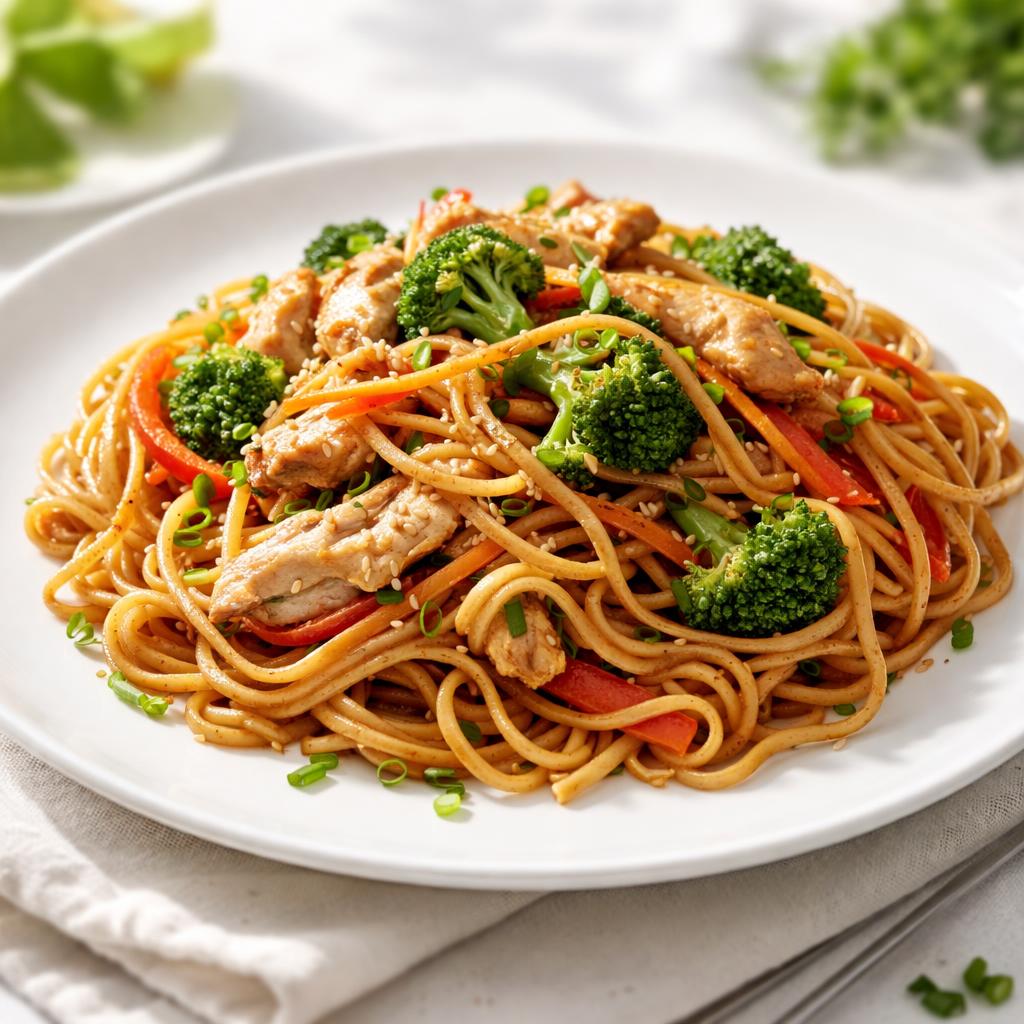
Noodles
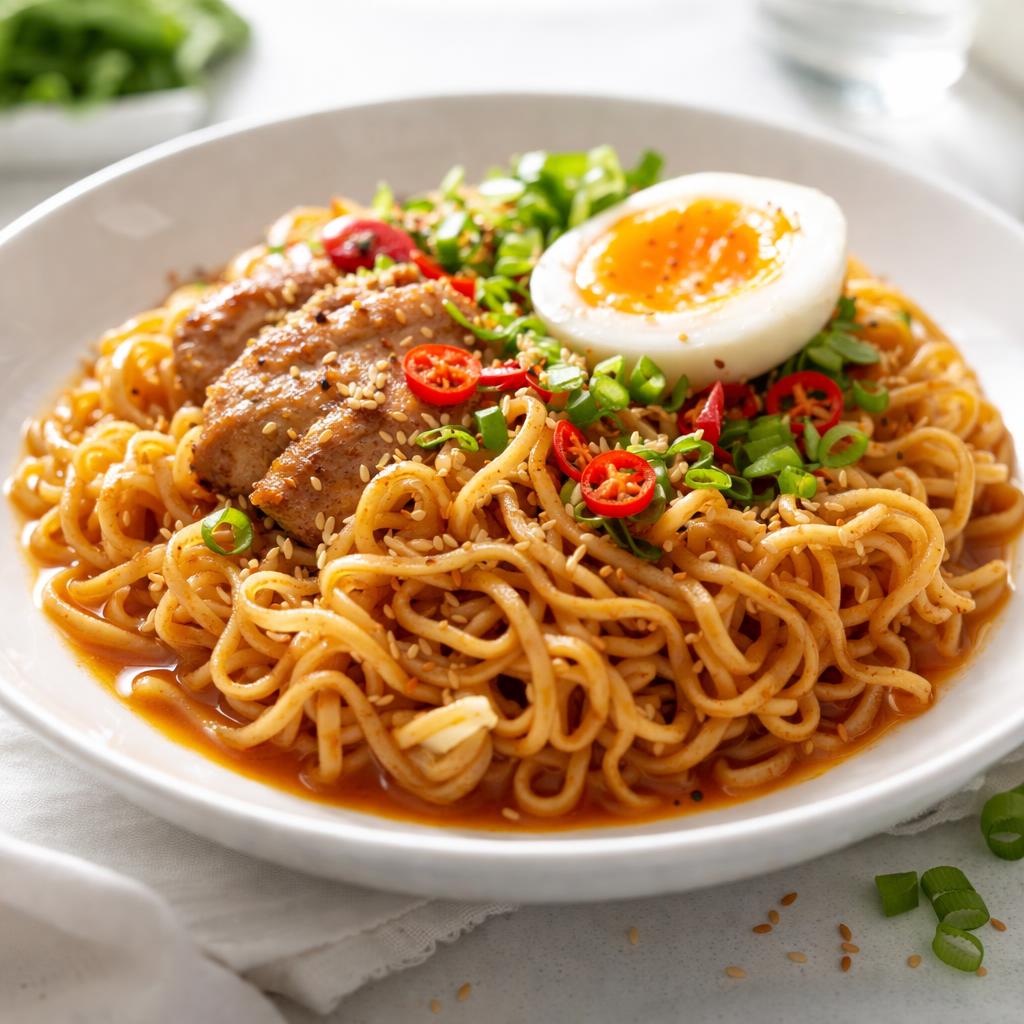
Instant Noodles
🎯 Quick Verdict
Noodles (food1) are generally less processed, lower in calories, and higher in beneficial nutrients like protein and fiber compared to instant noodles (food2). Instant noodles tend to have higher fat and sodium content due to added seasoning and oils, making them less suitable for health-conscious diets but more convenient for quick preparation.

Smart Nutrition Tracking with SnapCalorie

📊 Nutritional Comparison
Macronutrients
| Nutrient | Food 1 | Food 2 | Winner |
|---|---|---|---|
| Calories | 220 | 370 | ✓ |
| Protein | 8g | 6g | ✓ |
| Carbs | 40g | 50g | ✓ |
| Fat | 2g | 15g | ✓ |
| Fiber | 3g | 1g | ✓ |
Vitamins & Minerals
| Nutrient | Food 1 | Food 2 | Winner |
|---|---|---|---|
| Vitamin A | 0mcg | 10mcg | ✓ |
| Vitamin C | 0mg | 0mg | − |
| Calcium | 10mg | 20mg | ✓ |
| Iron | 1.2mg | 2.5mg | ✓ |
🏆 Category Winners
Protein
Food1 has 33% more protein per serving.
Fiber
Food1 contains 3x more fiber, supporting better digestion.
Calories
Food1 has 40% fewer calories than food2, making it lighter.
Vitamins
Food2 contains slightly more Vitamin A and iron.
🥗 Diet Compatibility
Keto
Food 1: Not Compatible
Food 2: Not Compatible
Both are high in carbohydrates.
Vegan
Food 1: Compatible
Food 2: Dependent on seasoning packet, but typically Compatible
Both are plant-based, though instant noodles may include animal-derived ingredients in flavoring.
Gluten Free
Food 1: Not Compatible
Food 2: Not Compatible
Both contain gluten from wheat flour.
Paleo
Food 1: Not Compatible
Food 2: Not Compatible
Both are processed and made from non-paleo ingredients like wheat.
Low Carb
Food 1: Not Compatible
Food 2: Not Compatible
Both are carb-heavy foods with over 40g of carbs per serving.
💪 Health Benefits Comparison
Food 1 Benefits
- Lower in calories, supporting weight management
- Higher protein content for muscle maintenance and growth
- Rich in fiber to promote good digestion
Food 2 Benefits
- Convenient and quick to prepare
- Includes additional micronutrients like Vitamin A and iron
- Higher energy density for sustained energy in a pinch
✅ The Bottom Line
If you prioritize a healthier option with fewer calories, more protein, and higher fiber, noodles (food1) are the better choice. Instant noodles (food2) are better for convenience but are higher in fat and sodium, which may not align with health-conscious diets.
Choose Food 1 for: Weight management, balanced diets, higher protein intake
Choose Food 2 for: Quick meals, energy boosts, budget-friendly options


