Noodles VS Homemade Bread
A detailed nutritional comparison
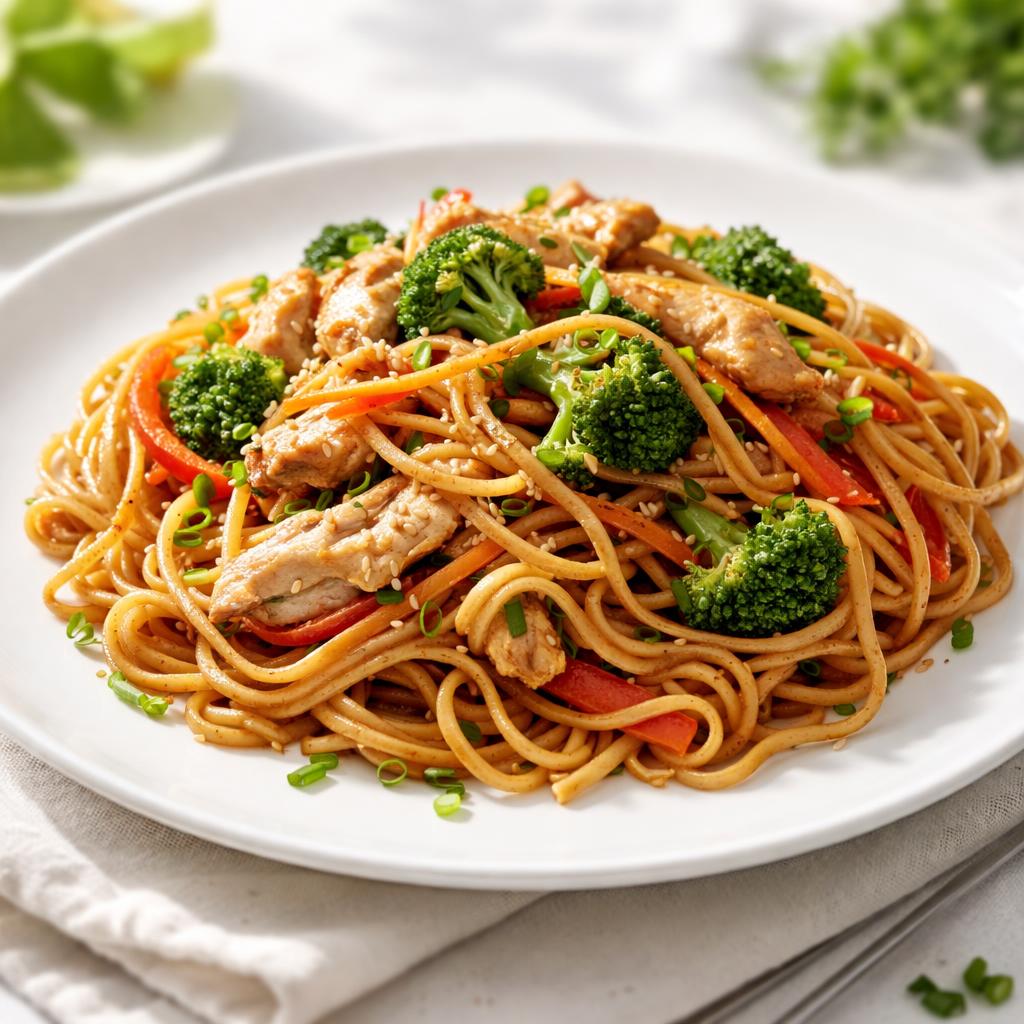
Noodles
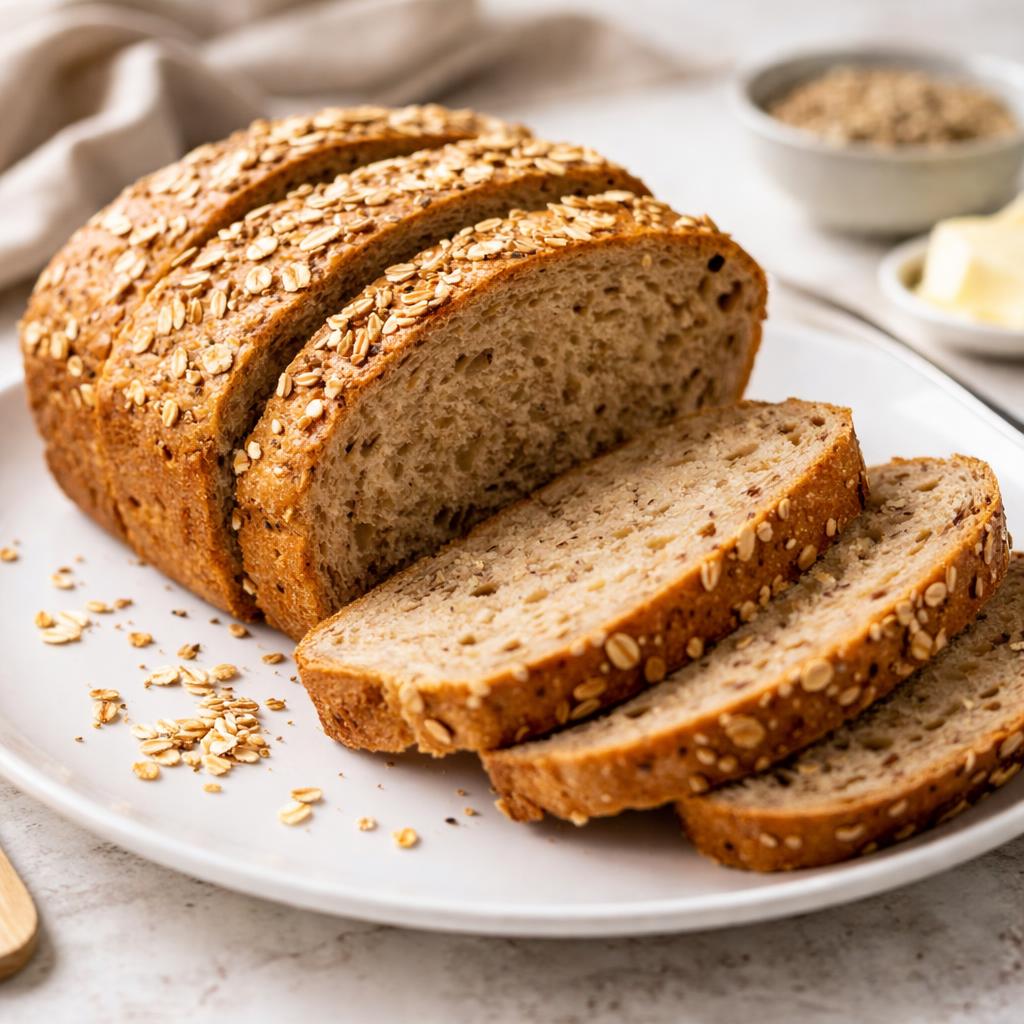
Homemade Bread
🎯 Quick Verdict
Homemade bread outshines noodles in most categories, providing more protein, fiber, and fewer calories per serving, along with a balanced nutritional profile. Noodles, being higher in carbohydrates, are better suited for quick energy needs, whereas bread is more versatile and nutrient-dense for daily consumption.

Smart Nutrition Tracking with SnapCalorie

📊 Nutritional Comparison
Macronutrients
| Nutrient | Food 1 | Food 2 | Winner |
|---|---|---|---|
| Calories | 220 | 150 | ✓ |
| Protein | 6g | 8g | ✓ |
| Carbs | 40g | 25g | ✓ |
| Fat | 1g | 3g | ✓ |
| Fiber | 2g | 3g | ✓ |
Vitamins & Minerals
| Nutrient | Food 1 | Food 2 | Winner |
|---|---|---|---|
| Vitamin D | 0mcg | 1mcg | ✓ |
| Calcium | 10mg | 30mg | ✓ |
| Iron | 2mg | 1.5mg | ✓ |
🏆 Category Winners
Protein
Food2 (homemade bread) provides 33% more protein per serving.
Fiber
Homemade bread has 50% more fiber to support digestion and satiety.
Calories
Food2 has 32% fewer calories, making it a lighter option.
Vitamins
Homemade bread offers higher levels of Vitamin D and Calcium.
🥗 Diet Compatibility
Keto
Food 1: Not Compatible
Food 2: Not Compatible
Both are high-carb foods unsuitable for keto diets.
Vegan
Food 1: Compatible
Food 2: Compatible
Both can be made vegan depending on ingredients used (no animal-derived elements).
Gluten Free
Food 1: Not Compatible
Food 2: Not Compatible
Both contain gluten unless specific gluten-free alternatives are used.
Paleo
Food 1: Not Compatible
Food 2: Not Compatible
Neither fits paleo guidelines due to grain content.
Low-Carb
Food 1: Not Compatible
Food 2: Partially Compatible
Food2 is lower in carbs relative to food1 but still moderately high overall.
💪 Health Benefits Comparison
Food 1 Benefits
- Provides quick and accessible energy due to high carb content
- Low in fat, making it a lighter choice for digestion
- Easy to prepare for busy schedules
Food 2 Benefits
- Higher protein content supports muscle repair and overall health
- A richer source of fiber for better digestion and satiety
- Contains modest levels of Vitamin D and Calcium for bone health
✅ The Bottom Line
Choose homemade bread for balanced nutrition, especially if you prioritize protein, fiber, and lower calorie options. Opt for noodles for quick energy boosts or carbohydrate loading in active lifestyles.
Choose Food 1 for: Quick energy needs, easy preparation, low-fat diets
Choose Food 2 for: Weight management, muscle building, more nutrient-dense meals


