Milk VS Whey Protein
A detailed nutritional comparison
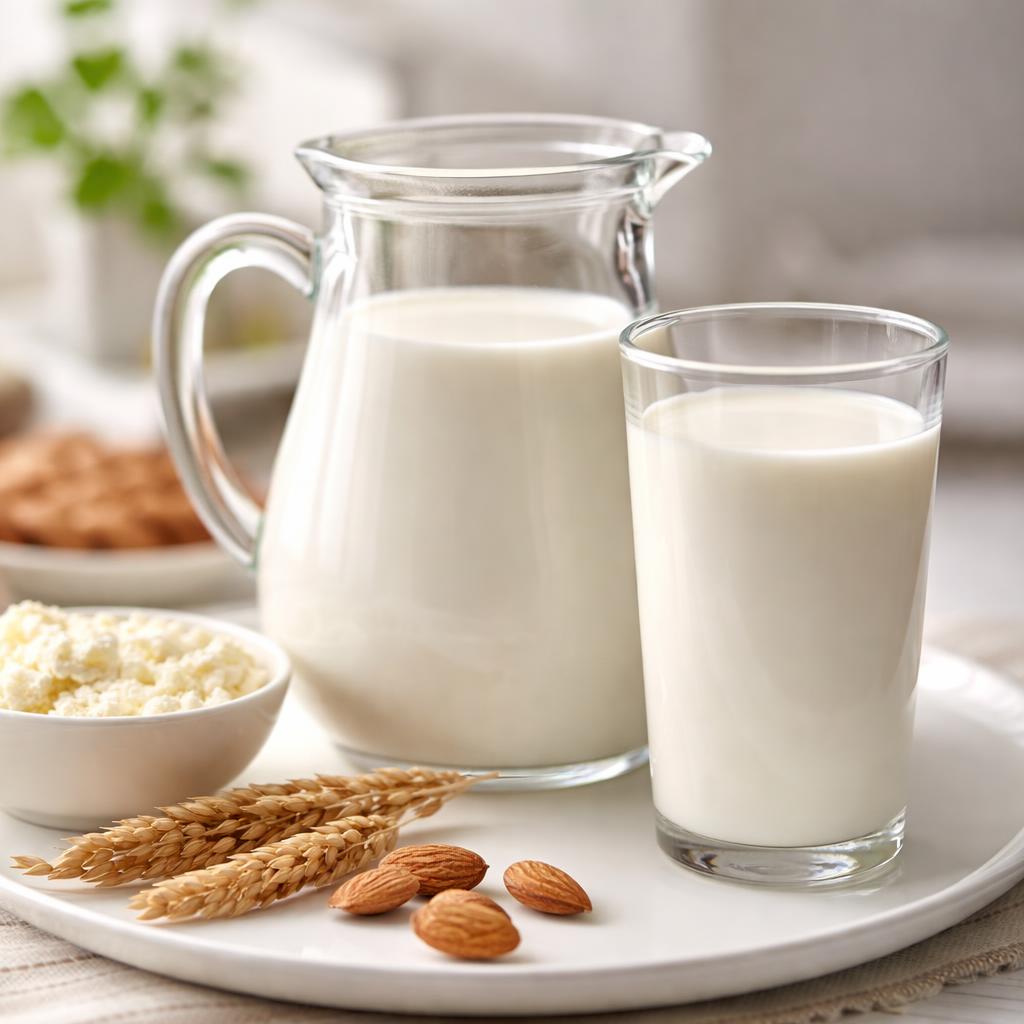
Milk
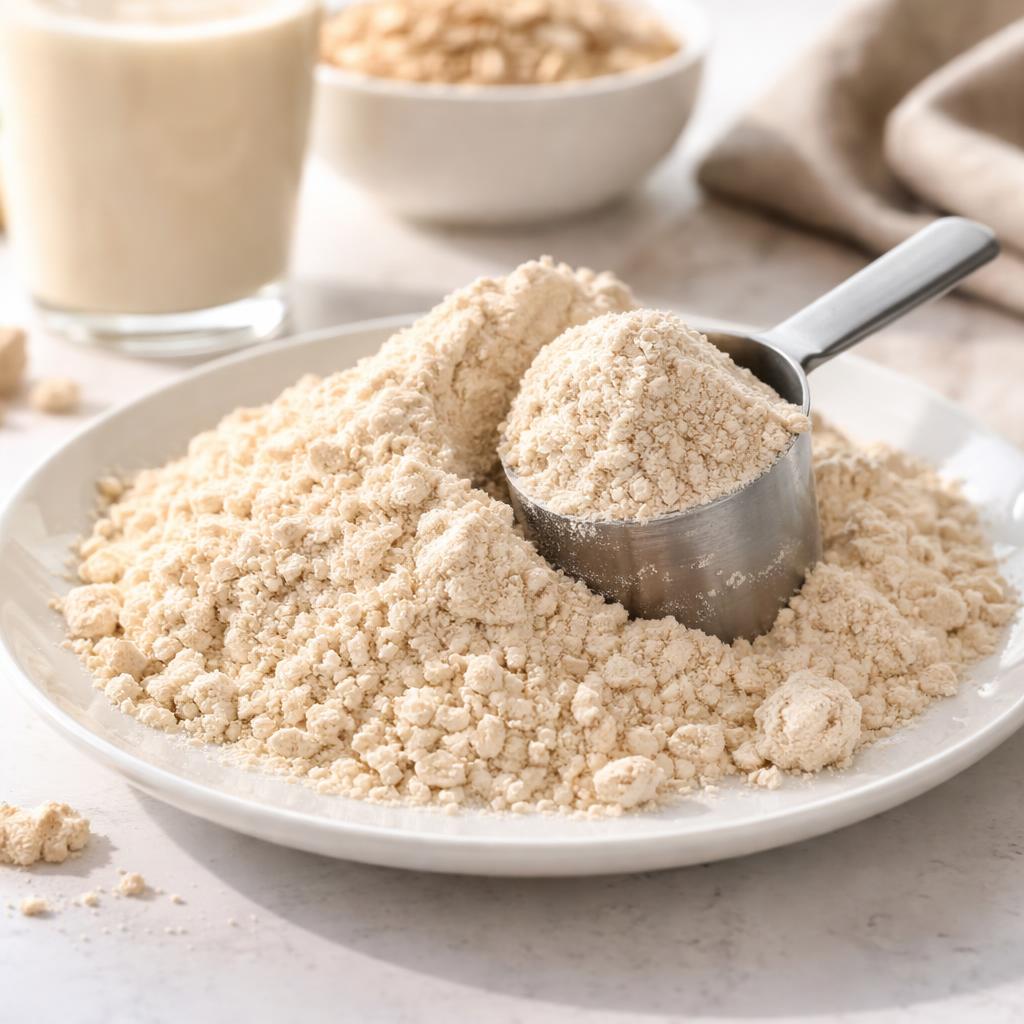
Whey Protein
🎯 Quick Verdict
Whey protein excels in protein content, providing a concentrated source for muscle recovery, while milk offers a more balanced nutrient profile with calcium and vitamin D. Milk contains natural sugars and fats, making it higher in calories compared to whey protein, which is often used in low-calorie diets or post-workout nutrition. Choose whey for high protein needs or milk for a versatile beverage with additional micronutrients.

Smart Nutrition Tracking with SnapCalorie

📊 Nutritional Comparison
Macronutrients
| Nutrient | Food 1 | Food 2 | Winner |
|---|---|---|---|
| Calories | 149 (per 1 cup, 2% milk) | 100 (per 25g serving) | ✓ |
| Protein | 8g | 20g | ✓ |
| Carbs | 12g | 2g | ✓ |
| Fat | 5g | 1.5g | ✓ |
| Fiber | 0g | 0g | − |
Vitamins & Minerals
| Nutrient | Food 1 | Food 2 | Winner |
|---|---|---|---|
| Calcium | 300mg | 200mg | ✓ |
| Vitamin D | 2.4mcg | 0mcg | ✓ |
| Potassium | 322mg | 100mg | ✓ |
🏆 Category Winners
Protein
Whey protein provides 150% more protein per serving than milk.
Fiber
Neither food contains significant fiber.
Calories
Whey protein is lower in calories than milk, making it ideal for low-calorie diets.
Vitamins
Milk contains higher levels of calcium, vitamin D, and potassium compared to whey protein.
🥗 Diet Compatibility
Keto
Food 1: Not Compatible
Food 2: Compatible
Whey has low-carb content, whereas milk contains 12g of carbs per cup.
Vegan
Food 1: Not Compatible
Food 2: Not Compatible
Both are derived from animal products.
Gluten Free
Food 1: Compatible
Food 2: Compatible
Neither contains gluten.
Paleo
Food 1: Not Compatible
Food 2: Compatible
Milk is not paleo-approved, while whey protein can fit into paleo if unsweetened.
Low Carb
Food 1: Not Compatible
Food 2: Compatible
Milk contains 12g of carbohydrates per cup, which is too high for low-carb diets; whey protein is much lower.
💪 Health Benefits Comparison
Food 1 Benefits
- Rich in calcium and vitamin D for bone health
- Contains potassium for blood pressure regulation
- Provides a balanced mix of macronutrients
Food 2 Benefits
- Excellent source of complete protein for muscle repair
- Low in calories, suitable for weight management
- Quickly absorbed for post-workout recovery
✅ The Bottom Line
Milk is a better choice for a nutrient-rich beverage with calcium, vitamin D, and potassium, making it ideal for bone health and overall nutrition. On the other hand, whey protein is a concentrated source of protein with minimal carbs and fats, great for muscle recovery and low-calorie diets. Select milk for all-around nutrient balance or whey protein for specific protein-focused goals.
Choose Food 1 for: Bone health, balanced nutrition, general hydration
Choose Food 2 for: Muscle recovery, weight loss, low-carb diets


