Milk VS Vanilla Extract
A detailed nutritional comparison
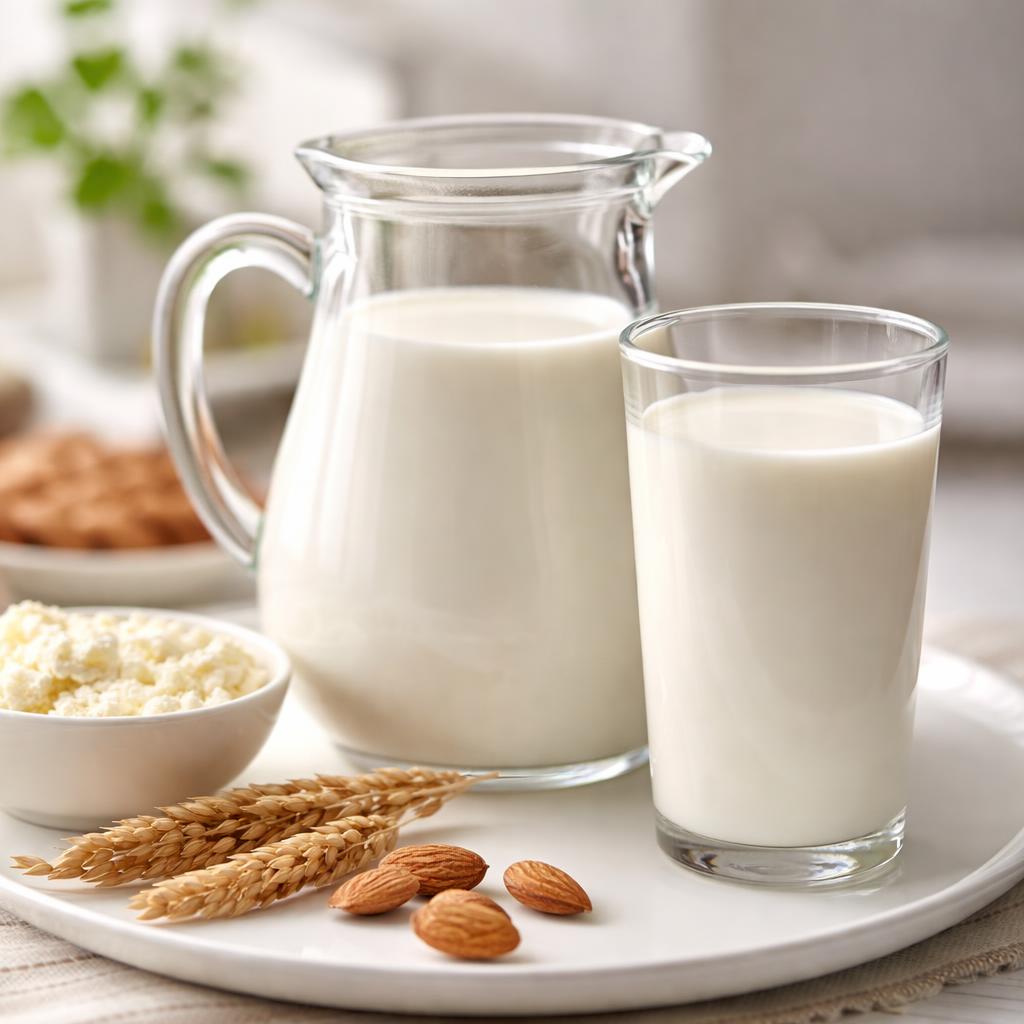
Milk
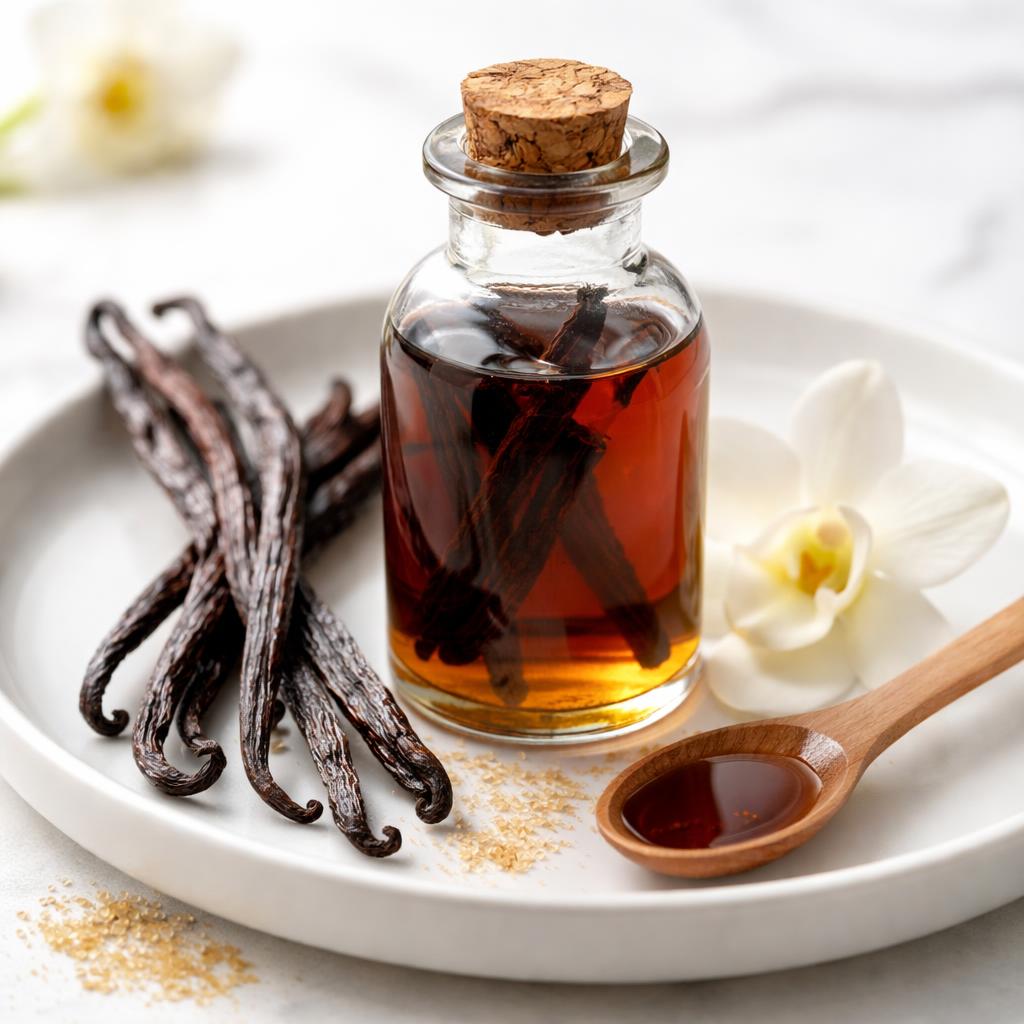
Vanilla Extract
🎯 Quick Verdict
Milk is significantly more nutritious with high protein, vitamins, and minerals, making it a wholesome dietary choice. Vanilla extract, on the other hand, is lower in calories but serves as a flavoring agent rather than a primary nutritional source. Milk is best for fueling your body, while vanilla extract enhances the flavor without adding substantial nutrients.

Smart Nutrition Tracking with SnapCalorie

📊 Nutritional Comparison
Macronutrients
| Nutrient | Food 1 | Food 2 | Winner |
|---|---|---|---|
| Calories | 103 | 12 | ✓ |
| Protein | 8g | 0g | ✓ |
| Carbs | 12g | 1g | ✓ |
| Fat | 2.4g | 0g | ✓ |
| Fiber | 0g | 0g | − |
Vitamins & Minerals
| Nutrient | Food 1 | Food 2 | Winner |
|---|---|---|---|
| Vitamin D | 2.5mcg | 0mcg | ✓ |
| Calcium | 305mg | 0mg | ✓ |
| Iron | 0.1mg | 0.09mg | − |
🏆 Category Winners
Protein
Milk provides 8g of protein per serving compared to vanilla extract's 0g.
Fiber
Neither milk nor vanilla extract contains fiber.
Calories
Vanilla extract contains only 12 calories per serving compared to milk's 103 calories.
Vitamins
Milk is rich in Vitamin D and Calcium, which vanilla extract lacks entirely.
🥗 Diet Compatibility
Keto
Food 1: Not Compatible
Food 2: Compatible
Milk is too high in carbs for a keto diet, while vanilla extract is extremely low-carb.
Vegan
Food 1: Not Compatible
Food 2: Compatible
Milk is an animal product, whereas vanilla extract is plant-based.
Gluten Free
Food 1: Compatible
Food 2: Compatible
Neither milk nor vanilla extract contains gluten.
Paleo
Food 1: Not Compatible
Food 2: Compatible
Milk is not allowed on a strict paleo diet, but vanilla extract is permissible.
Low Carb
Food 1: Not Compatible
Food 2: Compatible
Milk contains 12g of carbs per serving, while vanilla extract only has 1g.
💪 Health Benefits Comparison
Food 1 Benefits
- High-quality protein supports muscle growth and repair.
- Good source of calcium for strong bones and teeth.
- Rich in Vitamin D, promoting immune health and aiding calcium absorption.
Food 2 Benefits
- Low calorie, making it excellent for flavoring in calorie-controlled diets.
- Contains antioxidants like vanillin, which may combat free radicals.
- Free from fat, making it an ideal choice for light flavor enhancement without adding richness.
✅ The Bottom Line
Choose milk for nutritional density including protein, calcium, and vitamins, ideal for building muscle, bone health, and post-workout recovery. Opt for vanilla extract for its flavor-enhancing capabilities, especially in desserts or beverages, without significant caloric or nutritional contributions.
Choose Food 1 for: Muscle growth, bone health, immune support
Choose Food 2 for: Flavoring, low-calorie diets, keto and paleo compatibility


