Milk VS Sugar
A detailed nutritional comparison
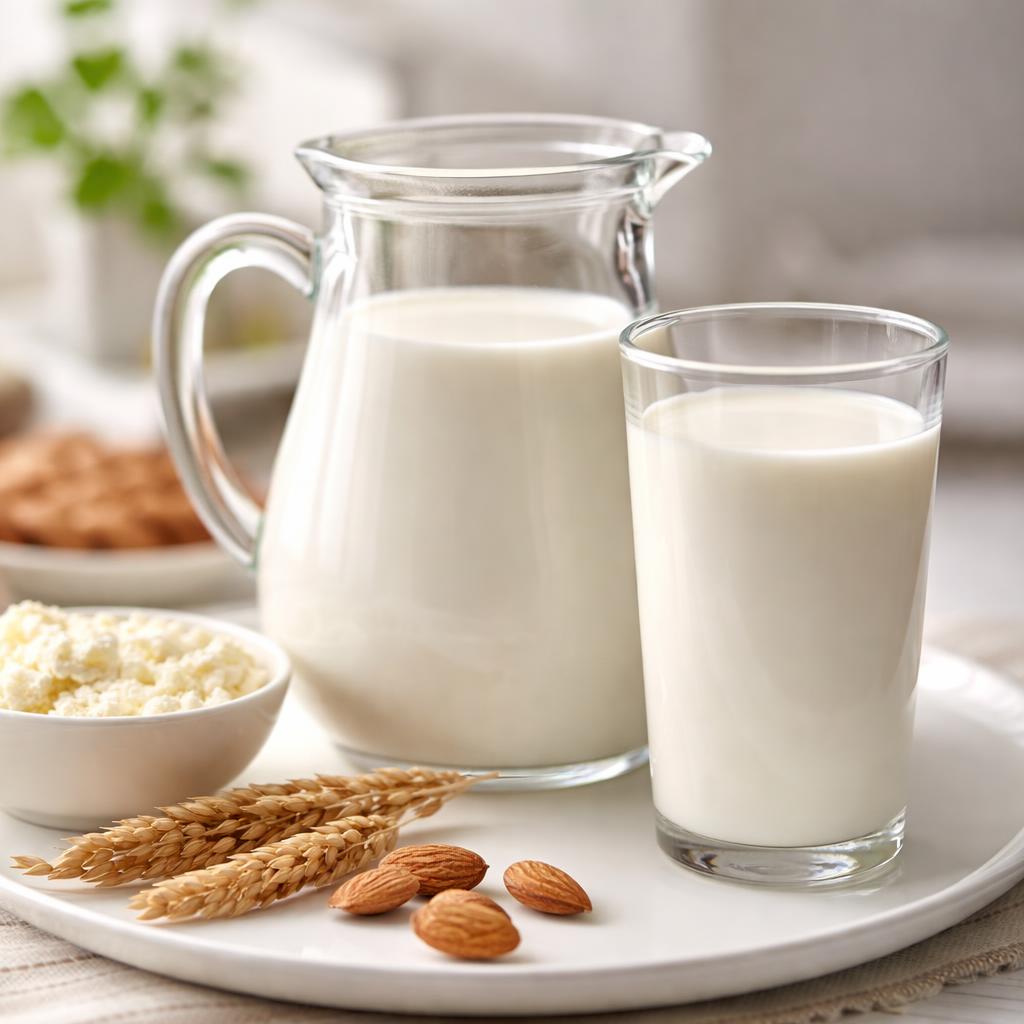
Milk
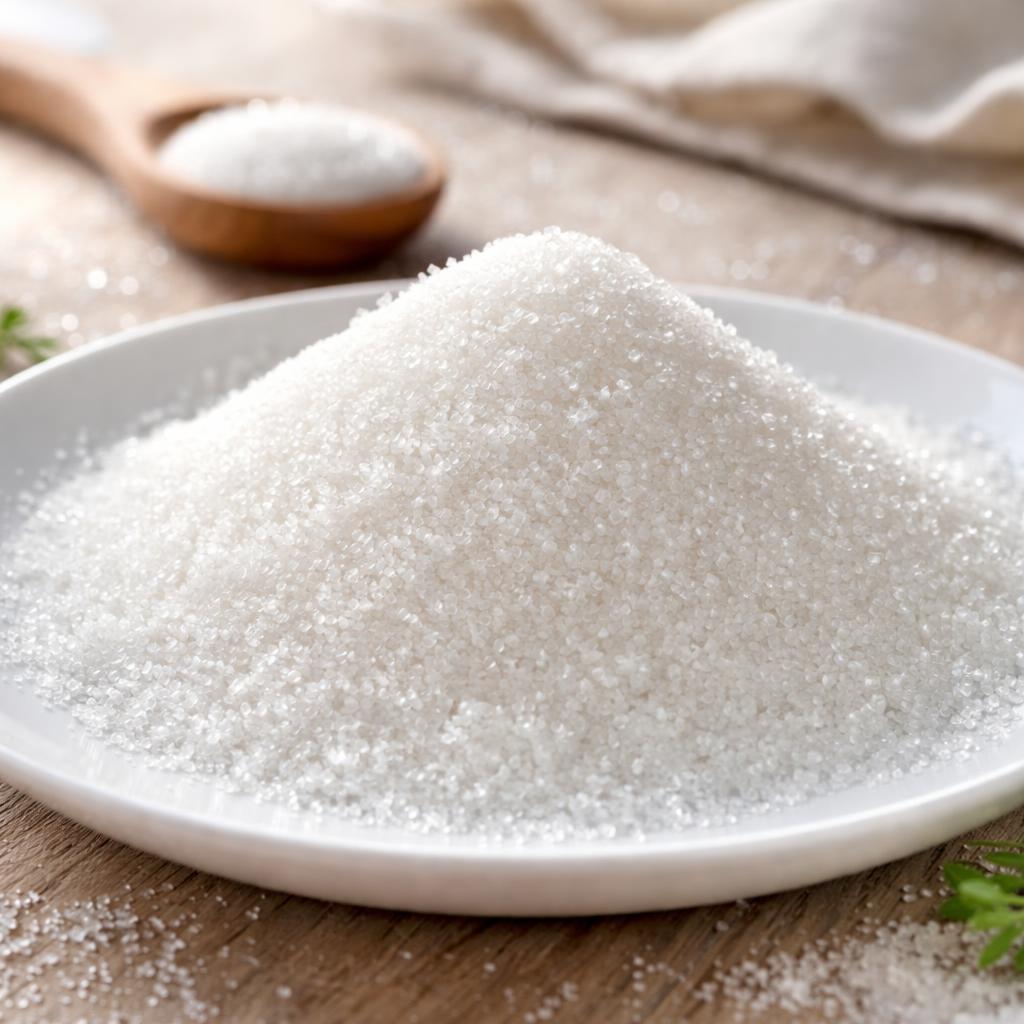
Sugar
🎯 Quick Verdict
Milk is nutritionally superior to sugar, offering protein, calcium, and vitamins. Sugar is purely a carbohydrate source with empty calories and no significant nutrients. Milk is best for balanced diets and protein intake, while sugar can provide quick energy but should be consumed sparingly.

Smart Nutrition Tracking with SnapCalorie

📊 Nutritional Comparison
Macronutrients
| Nutrient | Food 1 | Food 2 | Winner |
|---|---|---|---|
| Calories | 100 per cup | 50 per tablespoon (200 per serving) | − |
| Protein | 7g per cup | 0g | − |
| Carbs | 12g per cup | 50g per serving (typical) | − |
| Fat | 2.5g per cup (low-fat milk) | 0g | − |
| Fiber | 0g | 0g | − |
Vitamins & Minerals
| Nutrient | Food 1 | Food 2 | Winner |
|---|---|---|---|
| Vitamin D | 2.5mcg per cup | 0mcg | − |
| Calcium | 300mg per cup | 0mg | − |
| Iron | 0mg | 0mg | − |
🏆 Category Winners
Protein
Milk contains 7g of protein per cup, while sugar has none.
Fiber
Neither milk nor sugar provides dietary fiber.
Calories
Milk has fewer calories per typical serving compared to sugar.
Vitamins
Milk is a significant source of vitamin D and calcium, while sugar has no vitamins.
🥗 Diet Compatibility
Keto
Food 1: Compatible
Food 2: Not Compatible
Milk is better suited for low-carb keto options like unsweetened varieties, while sugar is high-carb.
Vegan
Food 1: Not Compatible
Food 2: Compatible
Sugar is plant-based, while milk is an animal product.
Gluten Free
Food 1: Compatible
Food 2: Compatible
Neither food contains gluten.
Paleo
Food 1: Not Compatible
Food 2: Not Compatible
Milk is dairy, which is excluded in paleo diets, and sugar is a refined product.
Low Carb
Food 1: Compatible
Food 2: Not Compatible
Milk can fit into low-carb diets in moderation; sugar has very high carbohydrate content.
💪 Health Benefits Comparison
Food 1 Benefits
- Rich source of calcium for stronger bones.
- Provides high-quality protein for muscle repair and growth.
- Contains vitamin D to support immune health.
Food 2 Benefits
- Quick source of energy for physical performance.
- Adds sweetness to enhance flavor in foods and beverages.
- Easily dissolves and blends for recipes.
✅ The Bottom Line
Milk is the clear nutritional winner as it provides protein, calcium, and essential vitamins, making it ideal for balanced diets. Sugar is entirely carbohydrate-based and best used sparingly, as it can contribute to excess caloric intake without nutritional benefits.
Choose Food 1 for: Bone health, muscle recovery, nutrient-rich diets
Choose Food 2 for: Quick energy, sweetening recipes, flavor enhancement


