Milk VS Squash
A detailed nutritional comparison
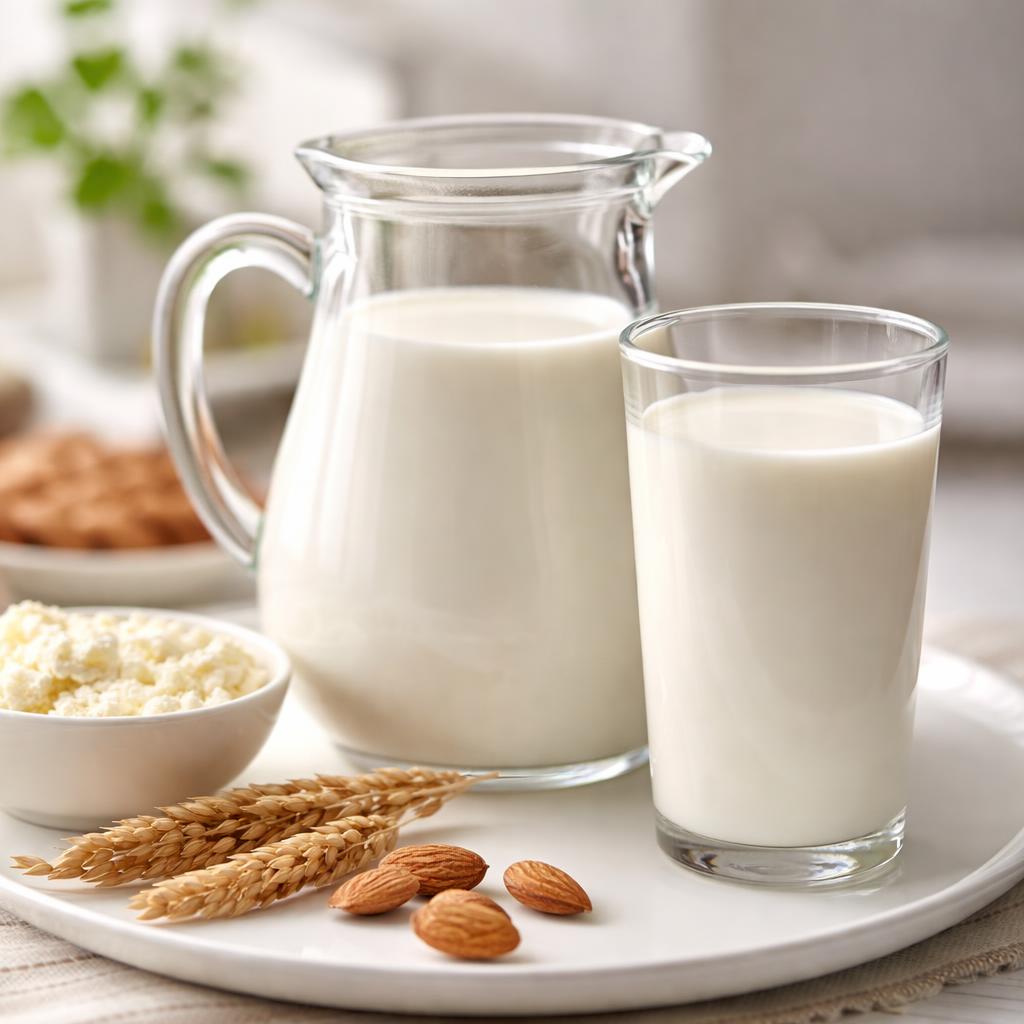
Milk
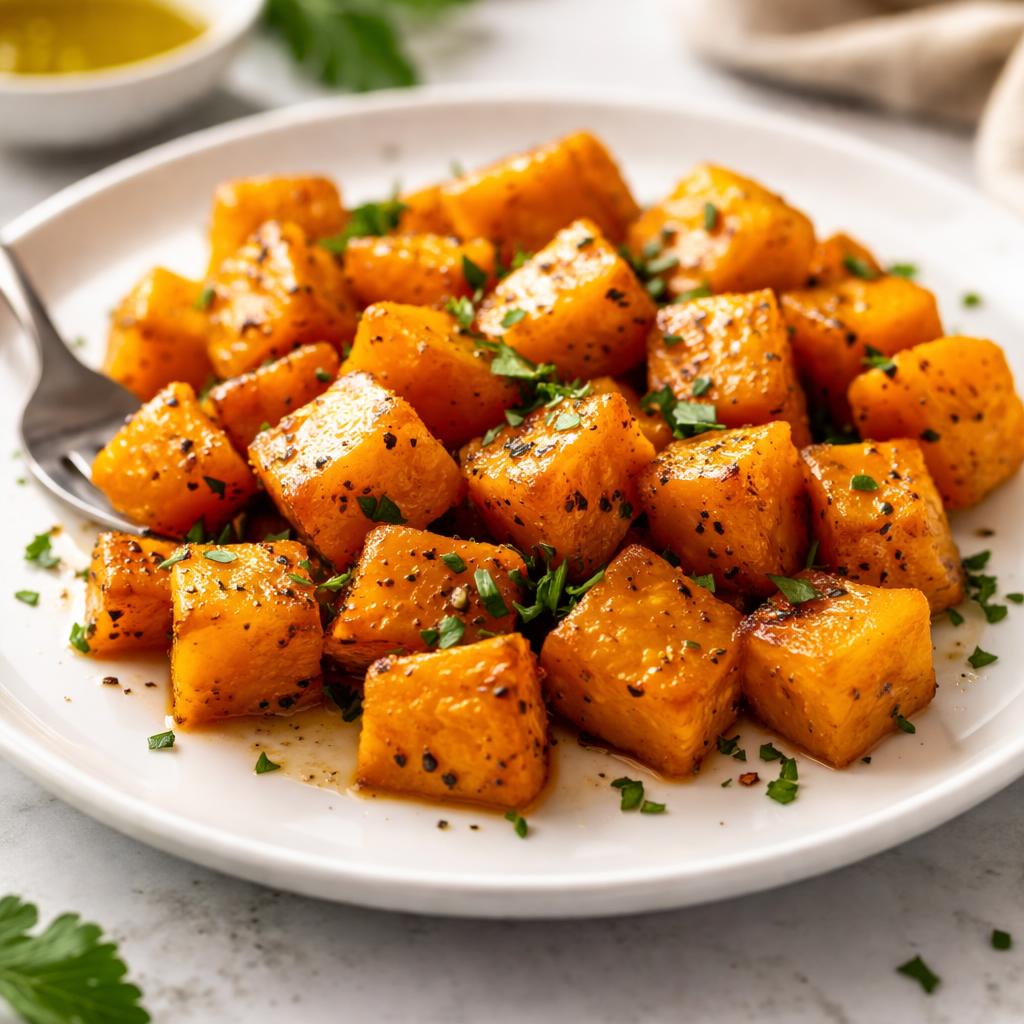
Squash
🎯 Quick Verdict
Milk and squash vary significantly in nutritional value. Milk is better for protein (8g per cup) and calcium (300mg per cup), while squash excels in fiber (2g per cup) and low calorie content (40 calories per cup). Milk suits muscle-building diets, while squash is ideal for weight loss and boosting digestive health.

Smart Nutrition Tracking with SnapCalorie

📊 Nutritional Comparison
Macronutrients
| Nutrient | Food 1 | Food 2 | Winner |
|---|---|---|---|
| Calories | 149 | 40 | ✓ |
| Protein | 8g | 1g | ✓ |
| Carbs | 12g | 10g | ✓ |
| Fat | 8g | 0g | ✓ |
| Fiber | 0g | 2g | ✓ |
Vitamins & Minerals
| Nutrient | Food 1 | Food 2 | Winner |
|---|---|---|---|
| Vitamin A | 149 IU | 1560 IU | ✓ |
| Calcium | 300mg | 33mg | ✓ |
| Iron | 0.1mg | 0.7mg | ✓ |
| Vitamin C | 0mg | 25mg | ✓ |
🏆 Category Winners
Protein
Milk provides 8g of protein per cup compared to just 1g in squash.
Fiber
Squash contains 2g of fiber per cup whereas milk has 0g fiber.
Calories
Squash is significantly lower in calories with just 40 per cup.
Vitamins
Squash is richer in vitamins like vitamin A (1560 IU) and vitamin C (25mg).
🥗 Diet Compatibility
Keto
Food 1: Not Compatible
Food 2: Compatible
Milk is higher in carbs (12g), whereas squash provides lower carbs (10g).
Vegan
Food 1: Not Compatible
Food 2: Compatible
Milk is animal-based, squash is plant-based.
Gluten Free
Food 1: Compatible
Food 2: Compatible
Neither contains gluten.
Paleo
Food 1: Not Compatible
Food 2: Compatible
Milk is excluded in paleo diets, squash aligns better.
Low-Carb
Food 1: Not Compatible
Food 2: Compatible
Milk's 12g carbs exceed typical low-carb thresholds, squash's 10g is lower.
💪 Health Benefits Comparison
Food 1 Benefits
- Rich in protein for muscle repair and growth
- Good source of calcium for bone health
- Provides vitamin D for immune function
Food 2 Benefits
- High in vitamin A for eye health
- Contains fiber to support digestion
- Low-calorie and nutrient-dense for weight management
- Rich in antioxidants like vitamin C
✅ The Bottom Line
Milk is ideal for those seeking protein and calcium, such as athletes, people with higher protein needs, or those building muscle. Squash is better for those aiming for weight loss, digestive health, or a vitamin-rich food with minimal calories. Choose based on your dietary goals.
Choose Food 1 for: Muscle building, bone health, post-workout recovery
Choose Food 2 for: Weight loss, digestive health, vitamin A and C boost


