Milk VS Soda
A detailed nutritional comparison
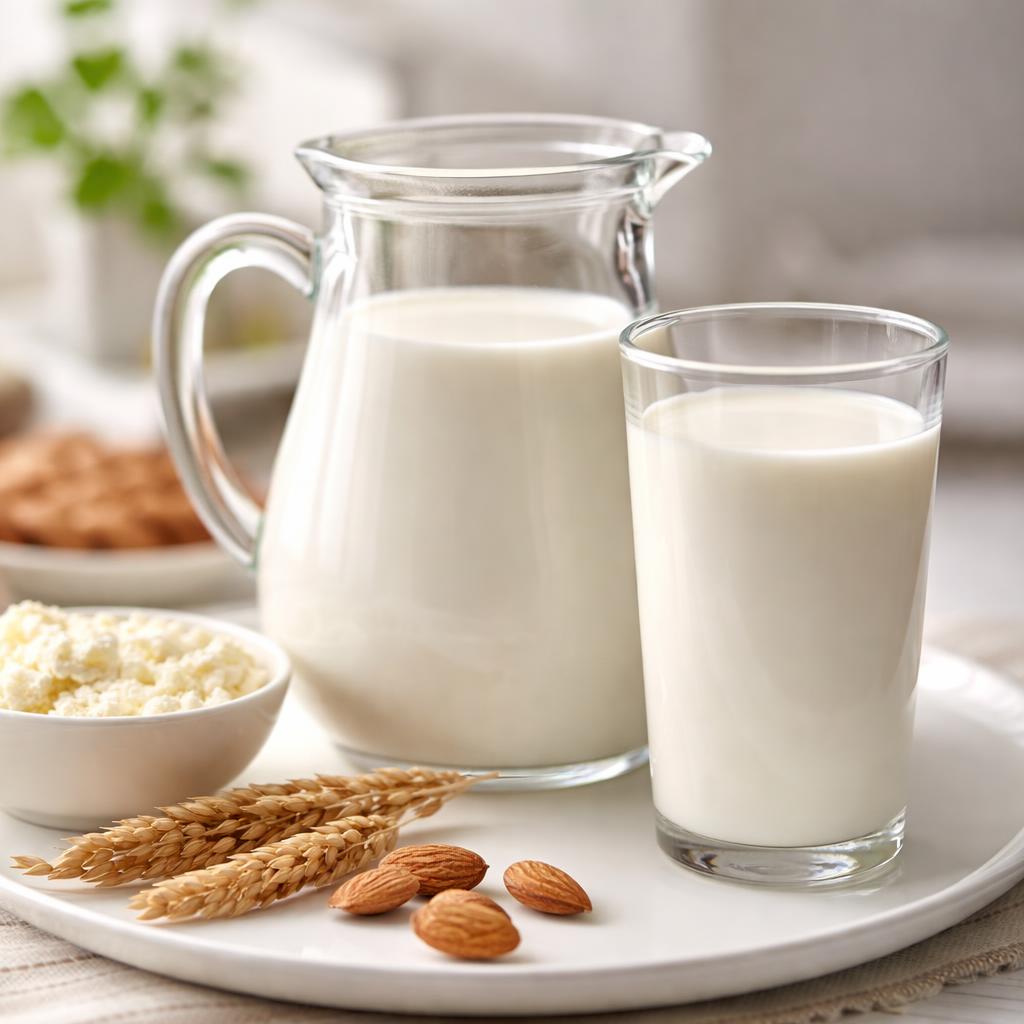
Milk
Soda
🎯 Quick Verdict
Milk outshines soda in almost every nutritional category, providing protein, calcium, vitamins, and beneficial fats. Soda, meanwhile, offers no significant nutrients and is primarily composed of sugar and calories, making it an energy-dense but nutrient-poor choice. Milk is better suited for overall health and balanced diets, while soda may be an occasional treat for taste preferences or quick energy boosts.

Smart Nutrition Tracking with SnapCalorie

📊 Nutritional Comparison
Macronutrients
| Nutrient | Food 1 | Food 2 | Winner |
|---|---|---|---|
| Calories | 103 | 150 | ✓ |
| Protein | 8g | 0g | ✓ |
| Carbs | 12g | 38g | ✓ |
| Fat | 2.4g | 0g | ✓ |
| Fiber | 0g | 0g | − |
Vitamins & Minerals
| Nutrient | Food 1 | Food 2 | Winner |
|---|---|---|---|
| Vitamin D | 2mcg | 0mcg | ✓ |
| Calcium | 300mg | 0mg | ✓ |
| Iron | 0.1mg | 0mg | ✓ |
🏆 Category Winners
Protein
Milk contains 8 grams of protein per serving, while soda has none.
Fiber
Neither milk nor soda contains fiber.
Calories
Milk has fewer calories (103 vs. soda's 150).
Vitamins
Milk is significantly richer in vitamins like Vitamin D and calcium.
🥗 Diet Compatibility
Keto
Food 1: Compatible
Food 2: Not Compatible
Milk is relatively low-carb, while soda is high in sugar and carbs.
Vegan
Food 1: Not Compatible
Food 2: Compatible
Milk is animal-derived, while soda is plant-based.
Gluten Free
Food 1: Compatible
Food 2: Compatible
Neither milk nor soda contains gluten.
Paleo
Food 1: Not Compatible
Food 2: Not Compatible
Milk is excluded in paleo diets, and soda is a processed food.
Low Carb
Food 1: Compatible
Food 2: Not Compatible
Milk has moderate carbs (12g), whereas soda contains high amounts of sugar (38g per serving).
💪 Health Benefits Comparison
Food 1 Benefits
- Provides high-quality protein for muscle repair and growth
- Rich in calcium for bone health
- Contains Vitamin D to support immune function and calcium absorption
- Offers fat-soluble vitamins and healthy fats when choosing whole milk
Food 2 Benefits
- Provides quick energy due to sugar content
- May temporarily aid hydration if consumed in small quantities
- Provides a calorie boost for high-energy demands
- Typically caffeine-containing soda may provide short-term mental alertness
✅ The Bottom Line
Milk is far superior to soda for nutrition, offering vital proteins, vitamins, and minerals, while soda is a sugary, empty-calorie beverage. Choose milk for long-lasting health benefits and overall dietary balance, and reserve soda for occasional indulgence due to its high sugar content and lack of nutrients.
Choose Food 1 for: Muscle repair, bone health, weight maintenance, balanced dietary goals
Choose Food 2 for: Quick energy during athletic events or occasional enjoyment


