Milk VS Sliced Cheese
A detailed nutritional comparison
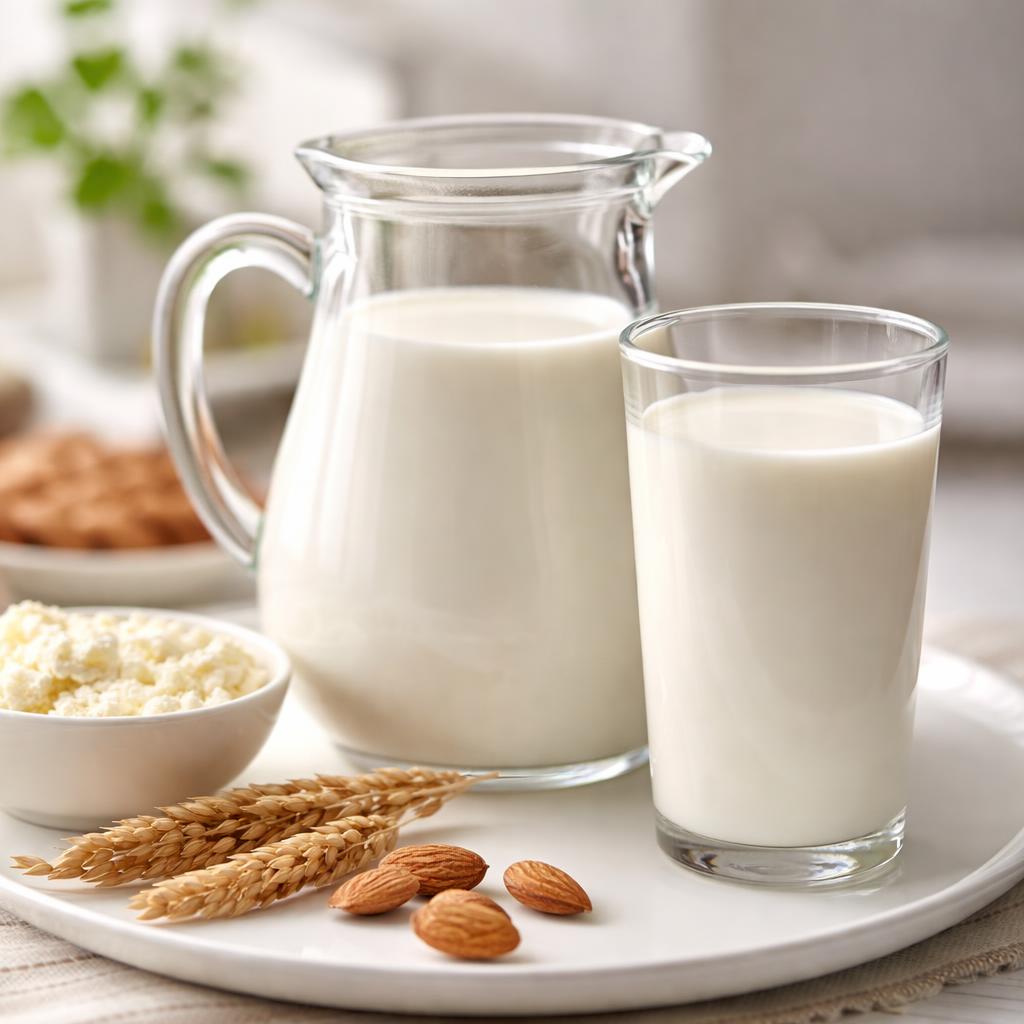
Milk
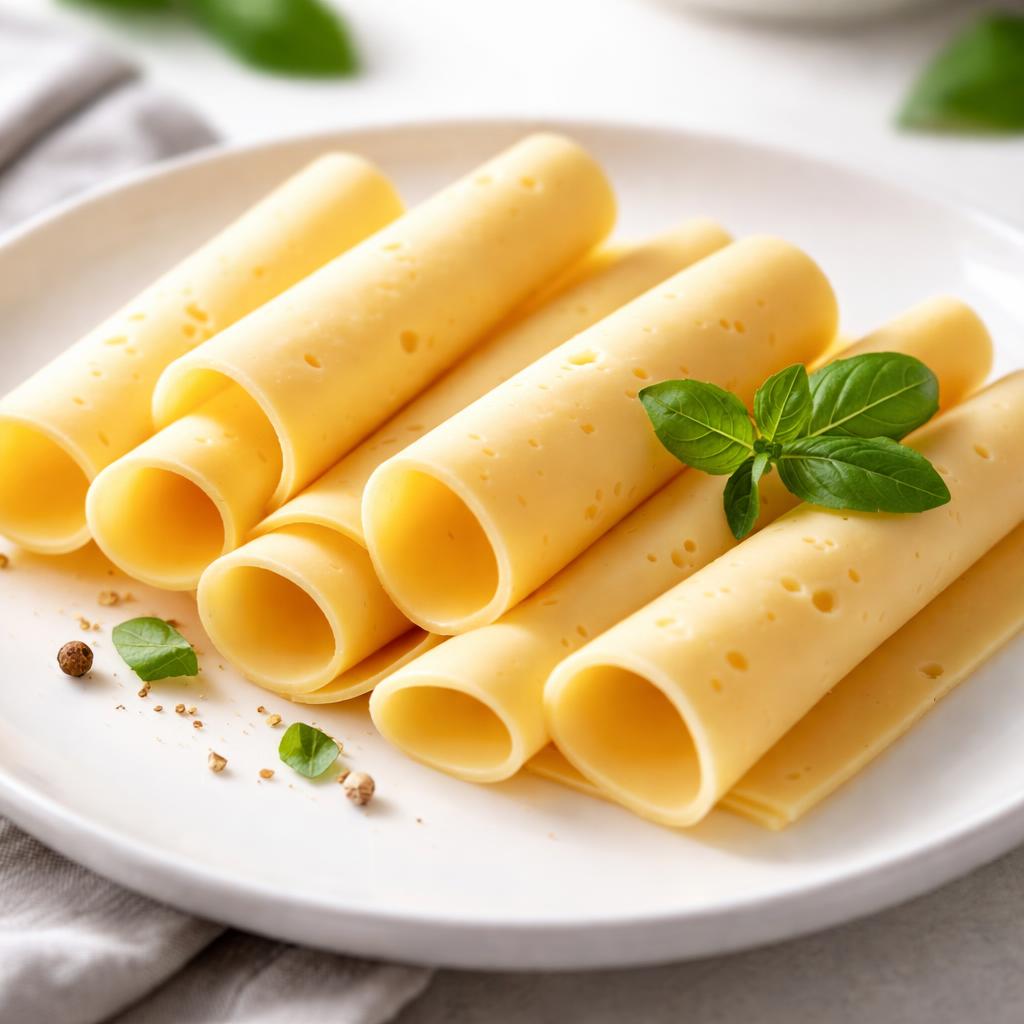
Sliced Cheese
🎯 Quick Verdict
Milk and sliced cheese differ significantly in macros and vitamins. Milk has fewer calories (84 per cup) and is more hydrating, while sliced cheese is more calorically dense (113 calories per slice) and provides a higher concentration of protein (6g per slice vs 8g per cup of milk). Milk is ideal for low-calorie diets and calcium intake, whereas cheese is suited for higher-protein, nutrient-dense snacking or recipes.

Smart Nutrition Tracking with SnapCalorie

📊 Nutritional Comparison
Macronutrients
| Nutrient | Food 1 | Food 2 | Winner |
|---|---|---|---|
| Calories | 84 (per cup) | 113 (per slice) | ✓ |
| Protein | 8g (per cup) | 6g (per slice) | ✓ |
| Carbs | 12g (per cup) | 1g (per slice) | ✓ |
| Fat | 2g (per cup) | 9g (per slice) | ✓ |
| Fiber | 0g (per cup) | 0g (per slice) | − |
Vitamins & Minerals
| Nutrient | Food 1 | Food 2 | Winner |
|---|---|---|---|
| Vitamin D | 2.4mcg (per cup) | 0.2mcg (per slice) | ✓ |
| Calcium | 300mg (per cup) | 200mg (per slice) | ✓ |
| Iron | 0.1mg (per cup) | 0.2mg (per slice) | ✓ |
🏆 Category Winners
Protein
Sliced cheese provides more protein per weight compared to milk.
Fiber
Neither milk nor cheese contains significant amounts of dietary fiber.
Calories
Milk is less calorically dense, with 84 calories per cup versus 113 calories per slice of cheese.
Vitamins
Milk contains higher levels of vitamin D and calcium, making it a better option for bone health.
🥗 Diet Compatibility
Keto
Food 1: Not Compatible
Food 2: Compatible
Milk is higher in carbs, while sliced cheese is low-carb and fits well into a keto diet.
Vegan
Food 1: Not Compatible
Food 2: Not Compatible
Both foods are dairy-based and not suitable for a vegan diet.
Gluten Free
Food 1: Compatible
Food 2: Compatible
Both milk and cheese are naturally gluten-free.
Paleo
Food 1: Not Compatible
Food 2: Not Compatible
Dairy is not considered compatible with strict paleo diets.
Low Carb
Food 1: Not Compatible
Food 2: Compatible
Milk contains 12g of carbs per cup, whereas cheese has just 1g per slice, making it suitable for low-carb diets.
💪 Health Benefits Comparison
Food 1 Benefits
- Great source of calcium to support bone health
- Contains vitamin D to enhance calcium absorption and strengthen immunity
- Low calorie option for weight management
- Hydrating and refreshing for post-workout recovery
Food 2 Benefits
- High in protein for muscle building and maintenance
- Rich in healthy fats, suitable for sustained energy
- Provides concentrated nutrients for nutrient-dense snacking
- Enhances flavor in meals and recipes with its creamy texture
✅ The Bottom Line
Milk is a lower-calorie, highly hydrating option suited for calcium intake and weight management. Sliced cheese, on the other hand, is nutrient-dense, higher in protein, and ideal for keto and low-carb diets. Both can serve complementary purposes depending on dietary needs and meal preferences.
Choose Food 1 for: Weight management, bone health, post-workout hydration
Choose Food 2 for: Keto diets, protein boost, nutrient-rich snacking or cooking


