Milk VS Sambar
A detailed nutritional comparison
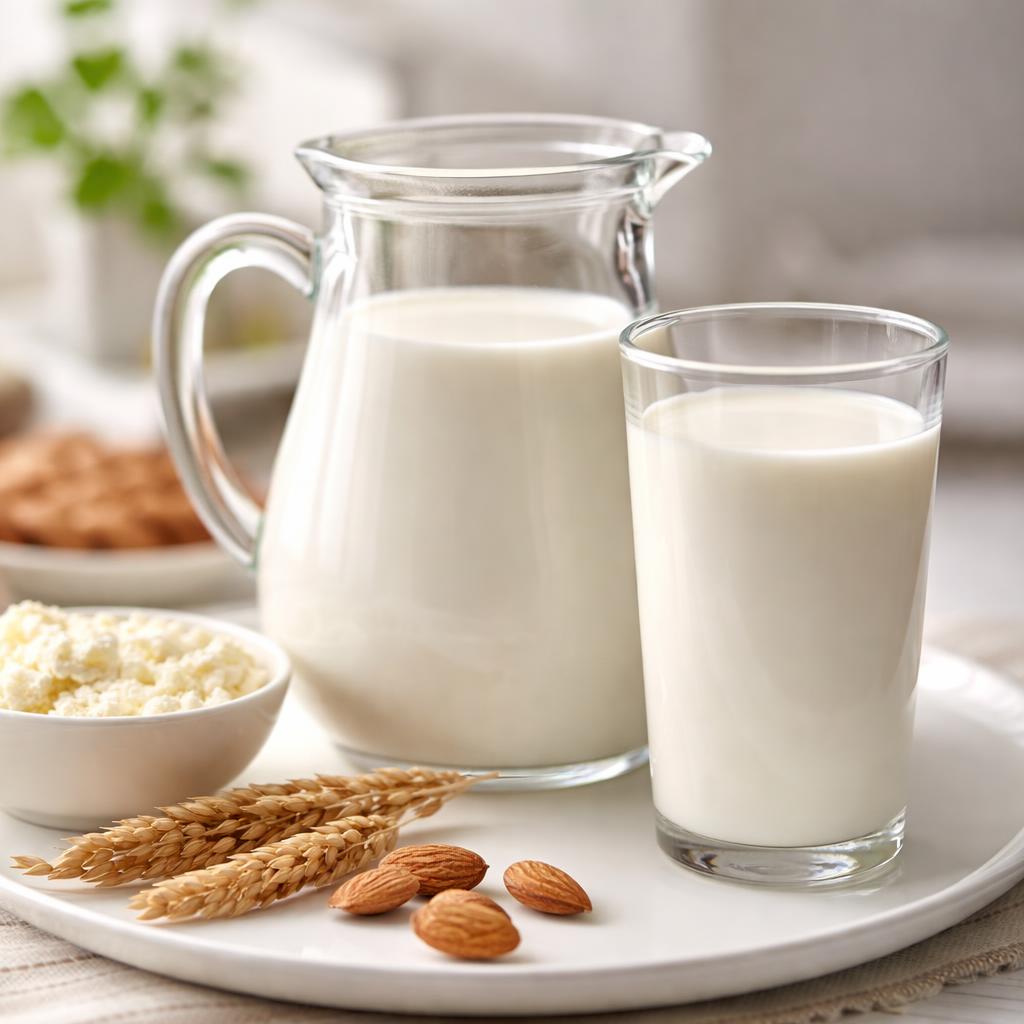
Milk
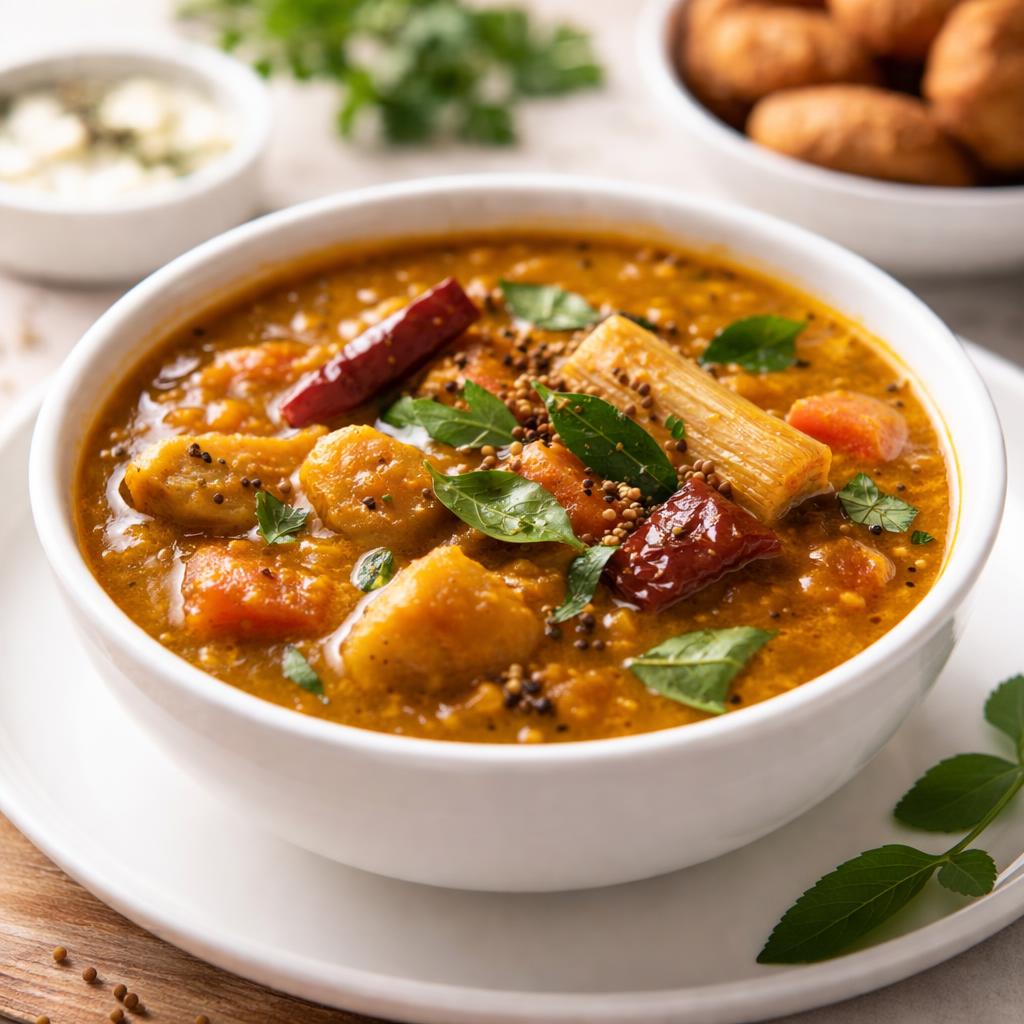
Sambar
🎯 Quick Verdict
Milk is more protein-rich, lower in calories, and offers higher calcium levels, making it ideal for muscle maintenance and bone health. Sambar, on the other hand, is a fiber-rich, nutrient-dense dish with antioxidants and vitamins, suitable for digestion and balanced nutrition. Both foods are versatile but serve different dietary purposes depending on individual goals.

Smart Nutrition Tracking with SnapCalorie

📊 Nutritional Comparison
Macronutrients
| Nutrient | Food 1 | Food 2 | Winner |
|---|---|---|---|
| Calories | 100 | 120 | − |
| Protein | 8g | 4g | − |
| Carbs | 12g | 15g | − |
| Fat | 2g | 4g | − |
| Fiber | 0g | 3g | − |
Vitamins & Minerals
| Nutrient | Food 1 | Food 2 | Winner |
|---|---|---|---|
| Calcium | 300mg | 60mg | − |
| Vitamin D | 2mcg | 0.5mcg | − |
| Iron | 0.1mg | 1mg | − |
| Vitamin C | 0mg | 15mg | − |
🏆 Category Winners
Protein
Milk contains twice as much protein per serving as sambar.
Fiber
Sambar offers 3g of fiber, while milk contains none.
Calories
Milk has slightly fewer calories (100 vs 120).
Vitamins
Both foods excel in different areas: milk is rich in calcium and vitamin D, while sambar offers iron and vitamin C.
🥗 Diet Compatibility
Keto
Food 1: Not Compatible
Food 2: Compatible
Sambar is low-carb, while milk contains higher carbs from lactose.
Vegan
Food 1: Not Compatible
Food 2: Compatible
Milk is a dairy product, whereas sambar is plant-based.
Gluten Free
Food 1: Compatible
Food 2: Compatible
Neither food contains gluten in its traditional preparation.
Paleo
Food 1: Not Compatible
Food 2: Compatible
Milk is not paleo due to dairy exclusion, but sambar can be considered paleo if prepared traditionally without legumes.
Low-Carb
Food 1: Not Compatible
Food 2: Compatible
Milk has higher carbs (12g per serving) compared to the lower-carb composition of sambar.
💪 Health Benefits Comparison
Food 1 Benefits
- Rich in calcium to support bone health
- High protein content for muscle repair and maintenance
- Contains vitamin D for improved calcium absorption
Food 2 Benefits
- Rich in fiber for improved digestion
- Provides antioxidants to fight free radicals
- Good source of iron and vitamin C for improved immunity
✅ The Bottom Line
Milk is ideal for boosting protein intake and maintaining bone health, especially for those engaging in physical activities or requiring post-workout recovery. Sambar is better for those seeking a balanced, fiber-rich, and nutrient-dense meal. Your choice depends on your dietary goals: milk for protein, sambar for overall nutrition.
Choose Food 1 for: Muscle building, bone health, post-workout recovery
Choose Food 2 for: Balanced nutrition, digestion, improved immunity


