Milk VS Salmon
A detailed nutritional comparison
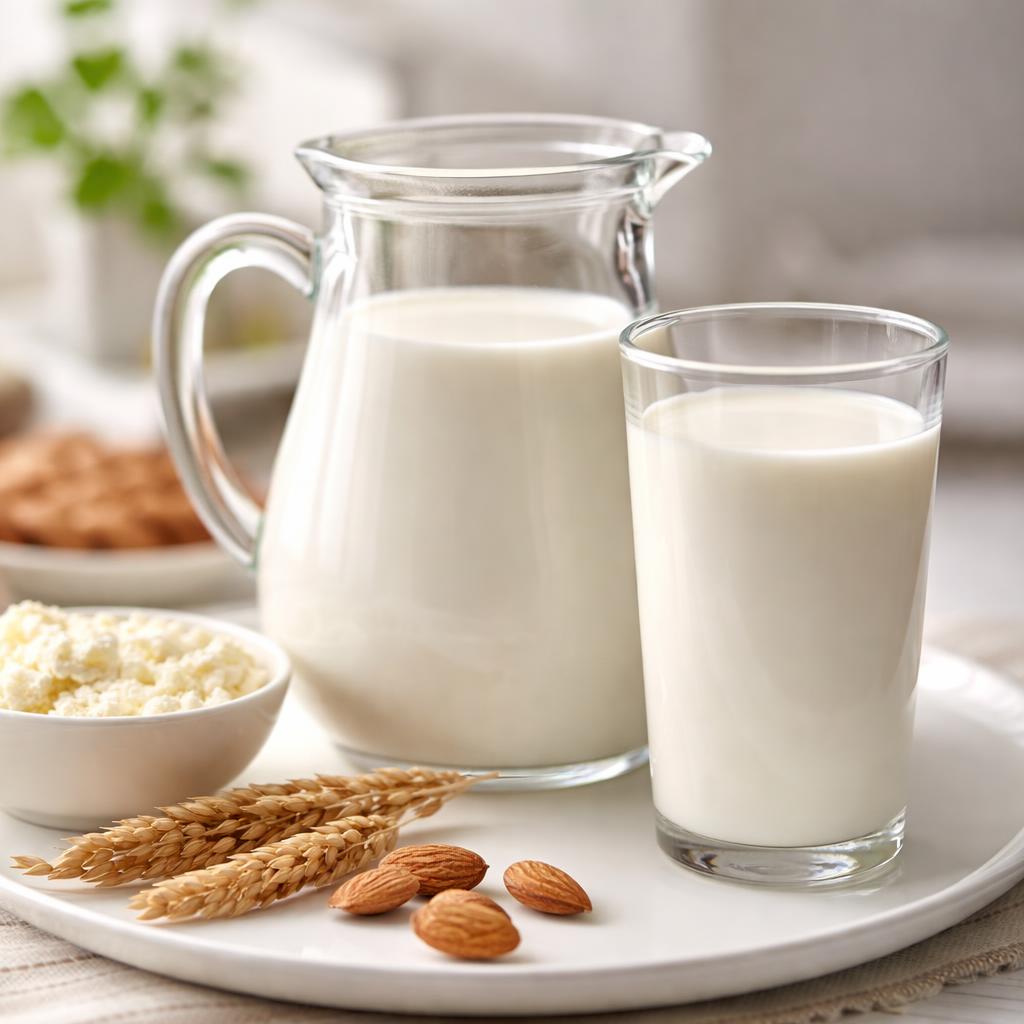
Milk
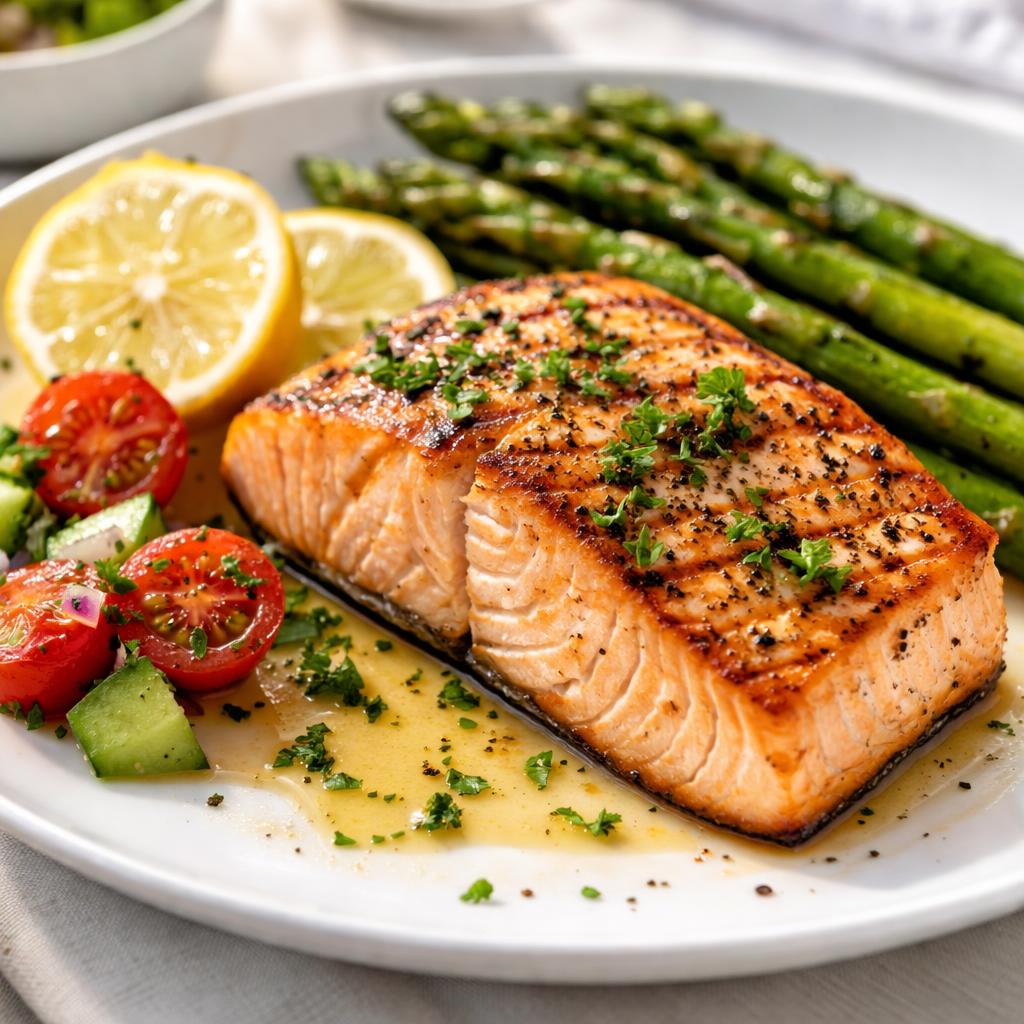
Salmon
🎯 Quick Verdict
Milk and salmon are highly nutritious but distinct foods. Salmon contains significantly more protein and omega-3 fatty acids, making it ideal for high-protein and heart-healthy diets. Milk provides calcium and vitamin D, which support bone health, and is lower in calories, making it beneficial for weight management. Both have unique, complementary benefits.

Smart Nutrition Tracking with SnapCalorie

📊 Nutritional Comparison
Macronutrients
| Nutrient | Food 1 | Food 2 | Winner |
|---|---|---|---|
| Calories | 150 per 1 cup (240ml) | 206 per 3oz (85g) | − |
| Protein | 8g per 1 cup | 22g per 3oz | − |
| Carbs | 12g per 1 cup | 0g per 3oz | − |
| Fat | 5g per 1 cup | 13g per 3oz | − |
| Fiber | 0g | 0g | − |
Vitamins & Minerals
| Nutrient | Food 1 | Food 2 | Winner |
|---|---|---|---|
| Vitamin D | 2.5mcg per 1 cup | 9mcg per 3oz | − |
| Calcium | 300mg per 1 cup | 10mg per 3oz | − |
| Iron | 0mg per 1 cup | 0.5mg per 3oz | − |
| Omega-3 Fatty Acids | 0g | 1.8g per 3oz | − |
🏆 Category Winners
Protein
Salmon provides nearly three times more protein per serving compared to milk.
Fiber
Neither food contains fiber.
Calories
Milk has 27% fewer calories per serving than salmon.
Vitamins
Salmon is much richer in vitamin D and provides heart-healthy omega-3 fatty acids.
🥗 Diet Compatibility
Keto
Food 1: Not Compatible
Food 2: Compatible
Milk contains 12g of carbs per cup, making it unsuitable for strict keto diets, while salmon is low-carb.
Vegan
Food 1: Not Compatible
Food 2: Not Compatible
Both foods are animal-based and not suitable for vegan diets.
Gluten Free
Food 1: Compatible
Food 2: Compatible
Neither milk nor salmon contains gluten.
Paleo
Food 1: Not Compatible
Food 2: Compatible
Milk is excluded from the paleo diet, while salmon fits paleo principles.
Low-Carb
Food 1: Not Compatible
Food 2: Compatible
Milk’s carbohydrate content makes it unsuitable for low-carb diets, while salmon is carb-free.
💪 Health Benefits Comparison
Food 1 Benefits
- Excellent source of calcium for bone health
- Rich in vitamin D for immune and bone support
- Contains high-quality protein for muscle maintenance
Food 2 Benefits
- Provides heart-healthy omega-3 fatty acids
- Rich in vitamin D for overall health
- High-quality protein for muscle synthesis and repair
- Contains antioxidants for reducing inflammation
✅ The Bottom Line
When deciding between milk and salmon, salmon wins in protein and omega-3 provision, making it ideal for heart health, high-protein diets, and paleo enthusiasts. Milk is lower-calorie, rich in calcium, and supports bone health, making it a great beverage for general weight management and nutrient supplementation.
Choose Food 1 for: Bone health, weight management, calcium supplementation
Choose Food 2 for: High-protein diets, heart health, anti-inflammatory benefits


