Milk VS Rolled Oats
A detailed nutritional comparison
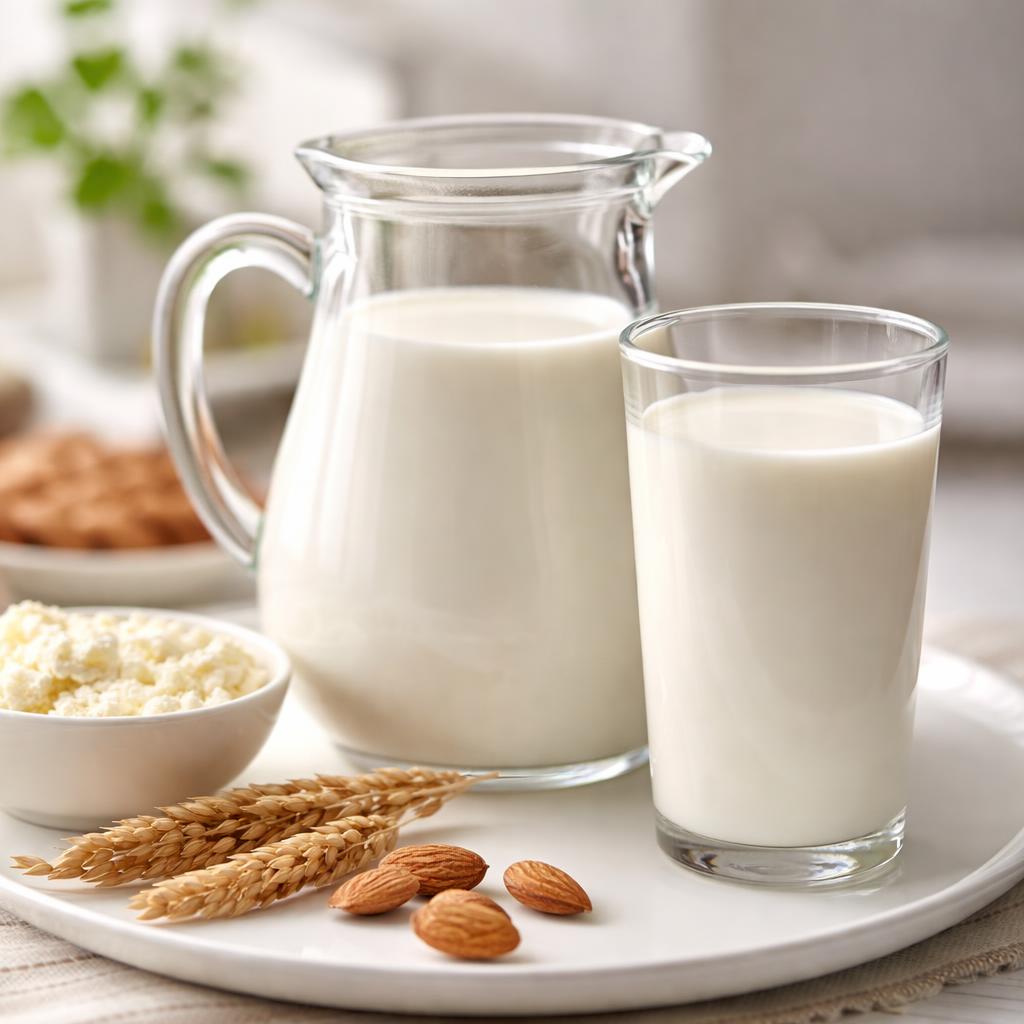
Milk
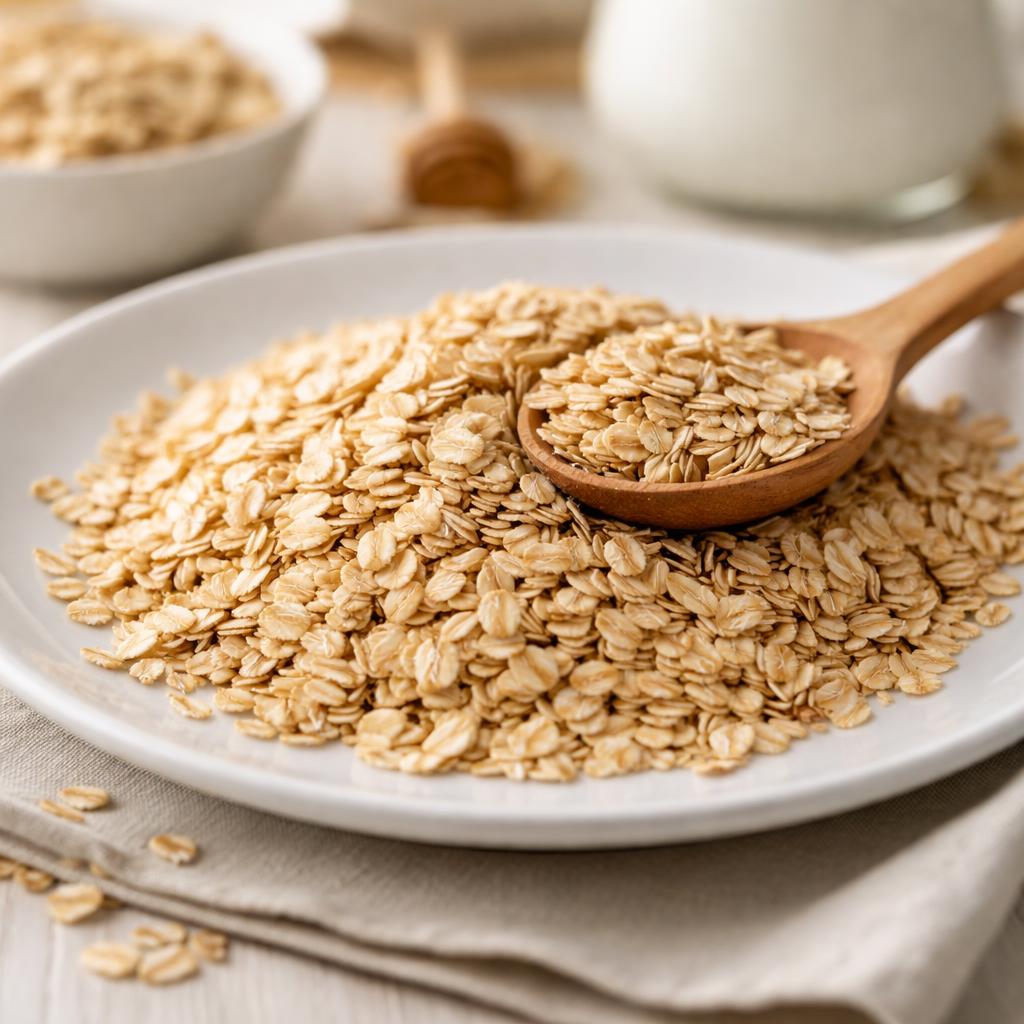
Rolled Oats
🎯 Quick Verdict
Milk is higher in protein, calcium, and vitamin D, making it an excellent choice for muscle support and bone health. Rolled oats, on the other hand, are richer in fiber and complex carbohydrates, ideal for sustained energy and digestive benefits. Use milk for quick protein and nutrition needs, while oats can serve as a longer-lasting, nutrient-dense staple for meals like breakfast or snacks.

Smart Nutrition Tracking with SnapCalorie

📊 Nutritional Comparison
Macronutrients
| Nutrient | Food 1 | Food 2 | Winner |
|---|---|---|---|
| Calories | 103 | 150 | ✓ |
| Protein | 8g | 5g | ✓ |
| Carbs | 12g | 27g | ✓ |
| Fat | 2.4g | 3.2g | ✓ |
| Fiber | 0g | 4g | ✓ |
Vitamins & Minerals
| Nutrient | Food 1 | Food 2 | Winner |
|---|---|---|---|
| Vitamin D | 2.5mcg | 0mcg | ✓ |
| Calcium | 300mg | 40mg | ✓ |
| Iron | 0mg | 1.7mg | ✓ |
🏆 Category Winners
Protein
Milk has 60% more protein per serving than rolled oats.
Fiber
Rolled oats provide 4g of fiber per serving, whereas milk has none.
Calories
Milk contains 47 fewer calories per serving than rolled oats.
Vitamins
Milk is higher in critical vitamins like calcium and vitamin D that support bone health.
🥗 Diet Compatibility
Keto
Food 1: Compatible with moderation
Food 2: Not Compatible
Milk is low-carb (12g per serving), while oats are high-carb.
Vegan
Food 1: Not Compatible
Food 2: Compatible
Milk comes from animals, while oats are plant-based.
Gluten Free
Food 1: Compatible
Food 2: Compatible if certified gluten-free
Milk is naturally gluten-free, and oats can be gluten-free but require certification due to processing risks.
Paleo
Food 1: Not Compatible
Food 2: Not Compatible
Neither matches paleolithic diet principles.
Low Carb
Food 1: Partially Compatible
Food 2: Not Compatible
Milk is lower in carbs (12g) compared to oats (27g).
💪 Health Benefits Comparison
Food 1 Benefits
- Rich in protein for muscle maintenance and repair
- Provides calcium and vitamin D for strong bones
- Contains potassium for proper heart and muscle function
Food 2 Benefits
- High in fiber to support digestive health and satiety
- Rich in complex carbohydrates for sustained energy
- Provides iron for oxygen transport and energy metabolism
✅ The Bottom Line
Milk is best for those seeking a low-calorie, protein-rich, and highly micronutrient-dense option, especially for muscle maintenance and bone health. Rolled oats are better suited for sustained energy and digestive support due to their high fiber and carbohydrate content. Pairing both in meals such as oatmeal cooked in milk can offer a balanced nutritional profile.
Choose Food 1 for: Muscle repair, bone health, post-workout nutrition
Choose Food 2 for: Sustained energy, digestive health, hearty meals


