Milk VS Roasted Sweet Potatoes
A detailed nutritional comparison
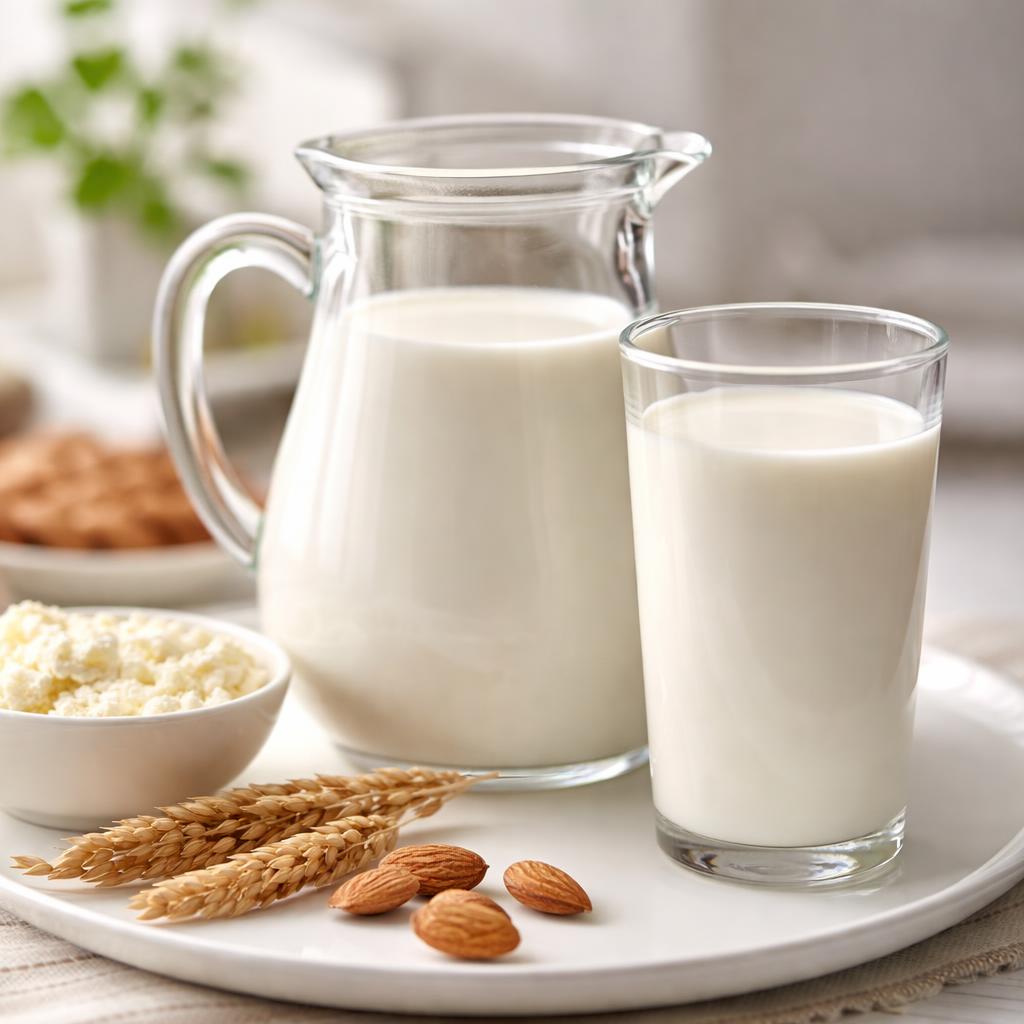
Milk
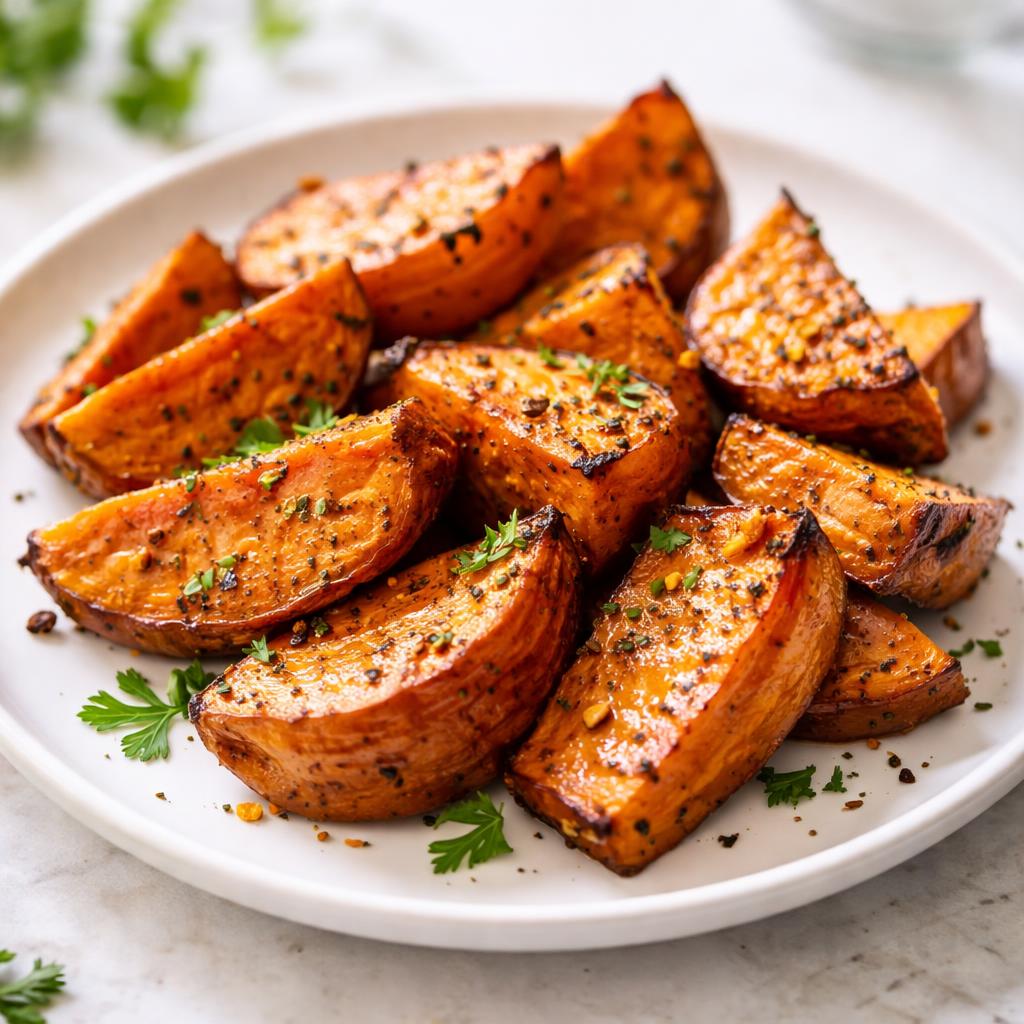
Roasted Sweet Potatoes
🎯 Quick Verdict
Milk is higher in protein and lower in calories, making it a better choice for muscle maintenance and weight loss. Roasted sweet potatoes provide more fiber and vitamins, such as Vitamin A, and are ideal for sustained energy and nutrient density. Choose milk for a protein boost and sweet potatoes for carbohydrate-rich energy and micronutrient variety.

Smart Nutrition Tracking with SnapCalorie

📊 Nutritional Comparison
Macronutrients
| Nutrient | Food 1 | Food 2 | Winner |
|---|---|---|---|
| Calories | 102 (per 1 cup, 2% milk) | 112 (per 100g, roasted sweet potatoes) | ✓ |
| Protein | 8g | 2g | ✓ |
| Carbs | 12g | 26g | ✓ |
| Fat | 2.4g | 0.1g | ✓ |
| Fiber | 0g | 3g | ✓ |
Vitamins & Minerals
| Nutrient | Food 1 | Food 2 | Winner |
|---|---|---|---|
| Vitamin A | 100IU | 16000IU | ✓ |
| Calcium | 300mg | 30mg | ✓ |
| Potassium | 366mg | 337mg | ✓ |
| Vitamin C | 0mg | 2.5mg | ✓ |
🏆 Category Winners
Protein
Milk contains 4 times the protein of roasted sweet potatoes per serving.
Fiber
Sweet potatoes provide 3g of fiber, while milk contains no fiber.
Calories
Milk contains slightly fewer calories per serving.
Vitamins
Sweet potatoes are much higher in Vitamin A and also provide Vitamin C, which milk lacks entirely.
🥗 Diet Compatibility
Keto
Food 1: Not Compatible
Food 2: Not Compatible
Both are moderate to high in carbohydrates.
Vegan
Food 1: Not Compatible
Food 2: Compatible
Milk is an animal product; sweet potatoes are plant-based.
Gluten Free
Food 1: Compatible
Food 2: Compatible
Neither food contains gluten.
Paleo
Food 1: Not Compatible
Food 2: Compatible
Milk is excluded on most paleo diets; sweet potatoes are allowed.
Low Carb
Food 1: Not Compatible
Food 2: Not Compatible
Both foods contain significant carbohydrates.
💪 Health Benefits Comparison
Food 1 Benefits
- High-quality protein for muscle growth and repair
- Rich in calcium for strong bones and teeth
- Potassium supports healthy blood pressure levels
Food 2 Benefits
- Excellent source of Vitamin A for vision and immune health
- Provides fiber for digestive health
- Low in fat and rich in complex carbohydrates for sustained energy
✅ The Bottom Line
Milk is the better choice when prioritizing protein intake and bone health, while roasted sweet potatoes excel in fiber, Vitamin A, and providing long-lasting energy. Select milk for post-workout recovery and diets emphasizing protein, and opt for sweet potatoes when seeking nutrient-dense carbohydrates and versatile meals.
Choose Food 1 for: Muscle building, weight loss, bone health
Choose Food 2 for: Energy boost, nutrient density, digestive health


