Milk VS Rice Cakes
A detailed nutritional comparison
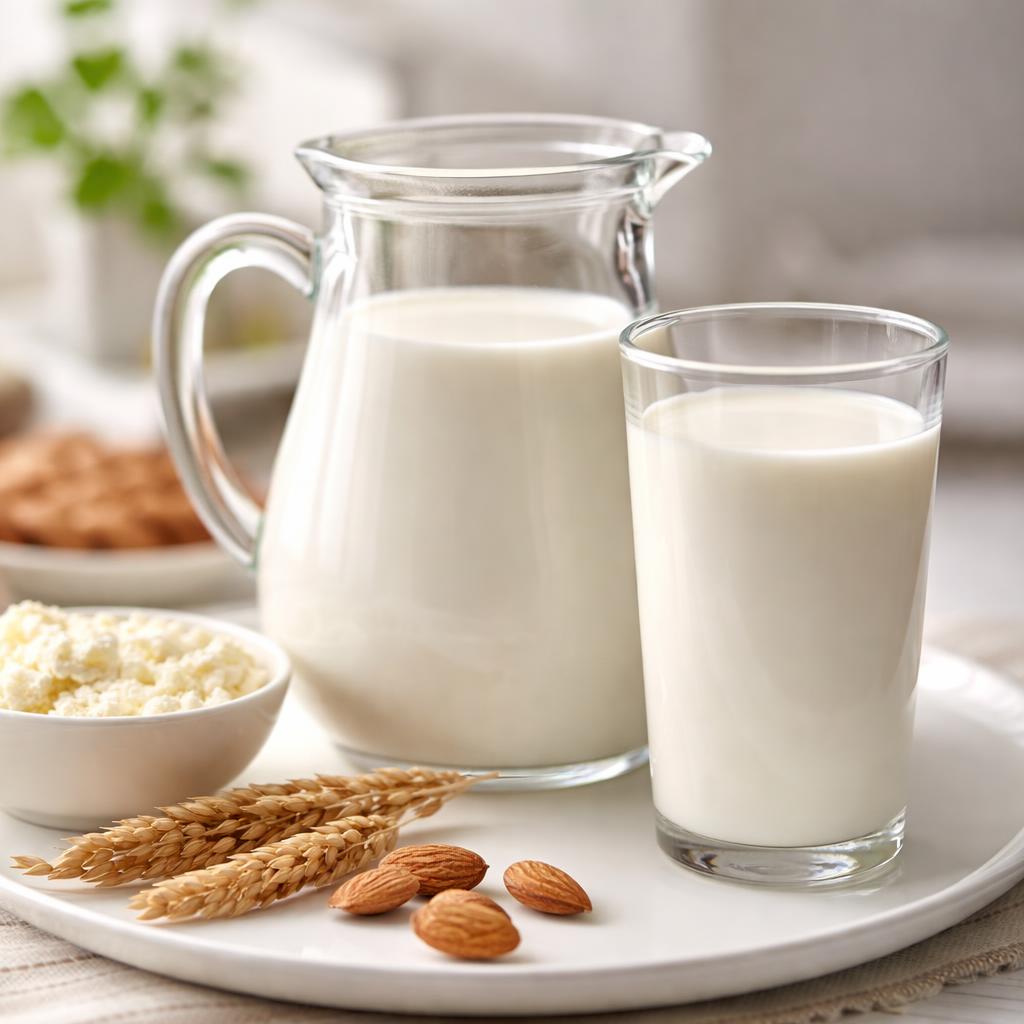
Milk
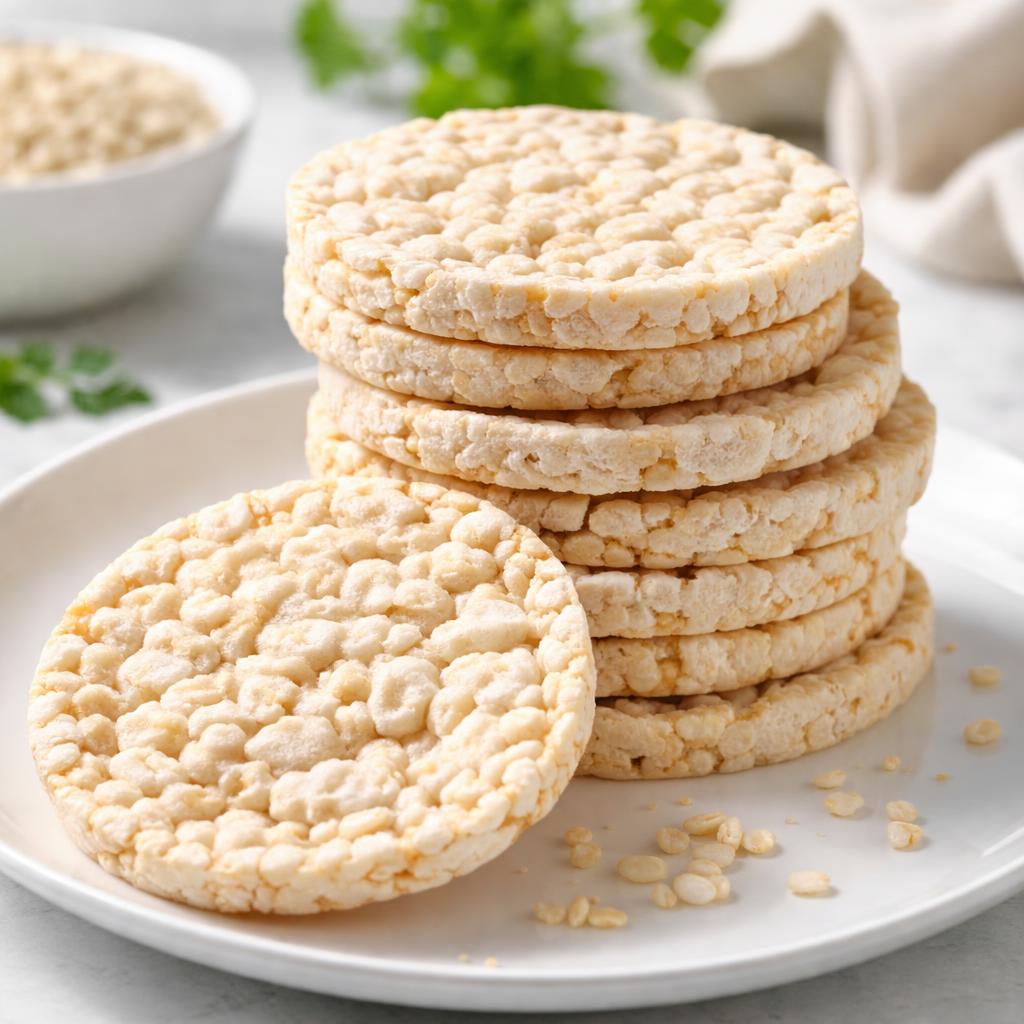
Rice Cakes
🎯 Quick Verdict
Milk and rice cakes serve very different dietary roles. Milk is a protein-rich beverage with notable calcium and vitamin D content, ideal for muscle support and bone health. Rice cakes are low-calorie, low-protein snacks best suited for light, carb-based snacking. Choose milk for nutrient density and rice cakes for lighter calorie options.

Smart Nutrition Tracking with SnapCalorie

📊 Nutritional Comparison
Macronutrients
| Nutrient | Food 1 | Food 2 | Winner |
|---|---|---|---|
| Calories | 103 | 35 | − |
| Protein | 8g | 0.7g | − |
| Carbs | 12g | 7g | − |
| Fat | 2.4g | 0.1g | − |
| Fiber | 0g | 0g | − |
Vitamins & Minerals
| Nutrient | Food 1 | Food 2 | Winner |
|---|---|---|---|
| Vitamin D | 2.5mcg | 0mcg | − |
| Calcium | 300mg | 1mg | − |
| Iron | 0.1mg | 0.2mg | − |
🏆 Category Winners
Protein
Milk delivers 8x more protein per serving compared to rice cakes.
Fiber
Neither milk nor rice cakes contain fiber.
Calories
Rice cakes are a low-calorie food option with about 1/3 the calories of milk.
Vitamins
Milk provides key nutrients like calcium and vitamin D that rice cakes lack.
🥗 Diet Compatibility
Keto
Food 1: Partially Compatible
Food 2: Not Compatible
Milk has moderate carbs, while rice cakes are high-carb.
Vegan
Food 1: Not Compatible
Food 2: Compatible
Rice cakes are plant-based, but milk comes from animals.
Gluten Free
Food 1: Compatible
Food 2: Compatible
Milk is naturally gluten-free, and rice cakes are made from rice, which is gluten-free.
Paleo
Food 1: Not Compatible
Food 2: Partially Compatible
Milk is excluded in the Paleo diet, while rice cakes are allowed depending on processing.
Low-Carb
Food 1: Not Compatible
Food 2: Not Compatible
Both foods have moderate to high-carb content.
💪 Health Benefits Comparison
Food 1 Benefits
- High-quality protein for muscle maintenance
- Rich in calcium for strong bones
- Provides vitamin D for immune and bone health
Food 2 Benefits
- Low-calorie snack option for weight management
- Provides quick energy from carbohydrates
- Pairs well with nutrient-dense toppings
✅ The Bottom Line
Milk and rice cakes serve very different purposes and can complement one another instead of competing. Milk is ideal for nutrient needs and protein intake, while rice cakes are suited for low-calorie snacking. Choose accordingly based on activity level and dietary goals.
Choose Food 1 for: Bone health, muscle building, nutrient-rich beverages
Choose Food 2 for: Low-calorie snacking, pairing with other healthy toppings, light carb-based energy boosts


