Milk VS Red Apple
A detailed nutritional comparison
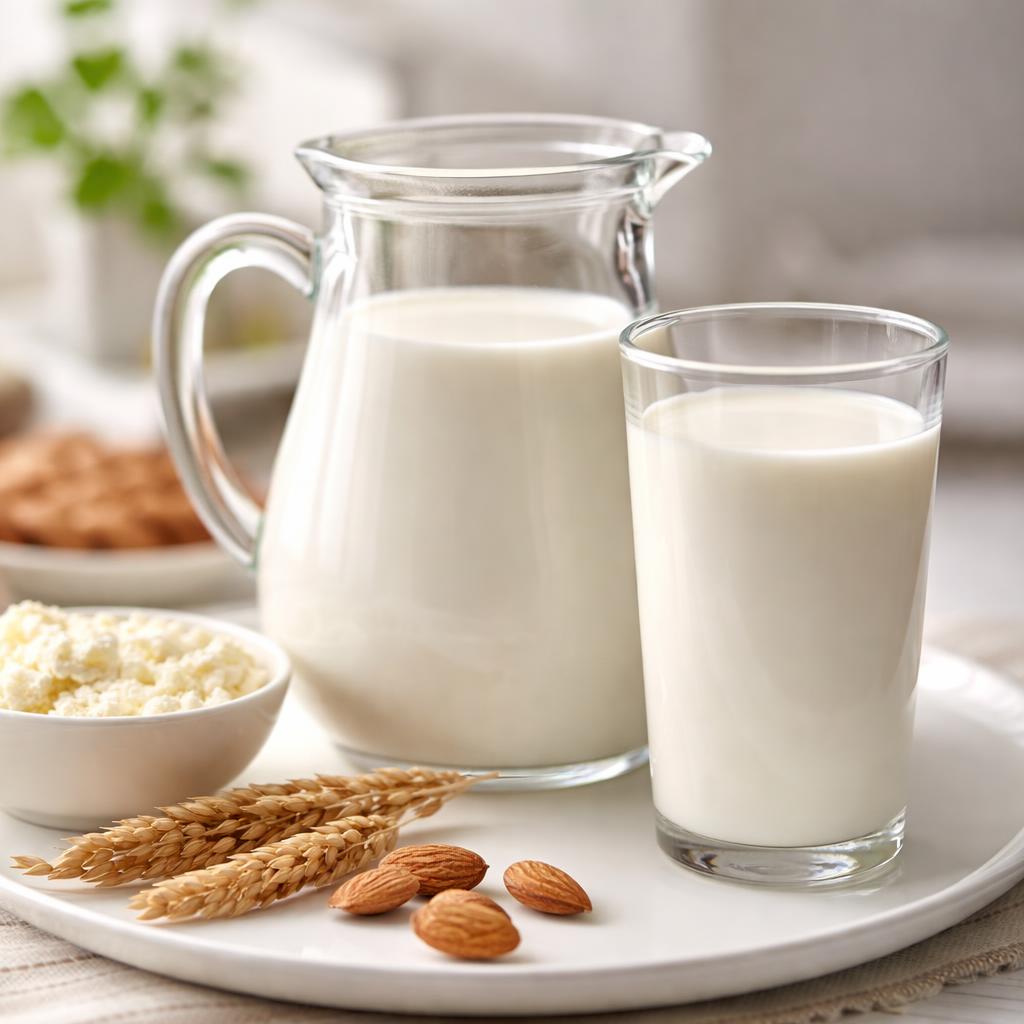
Milk
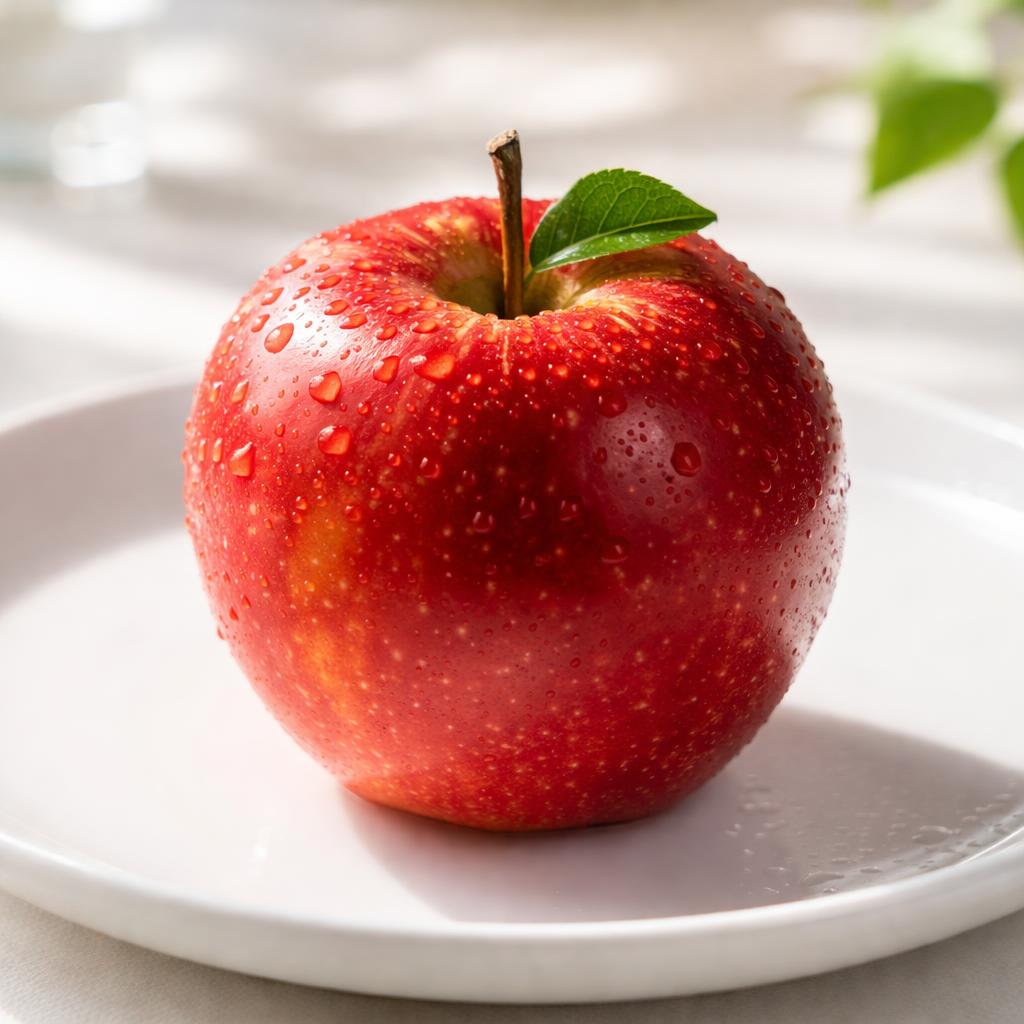
Red Apple
🎯 Quick Verdict
Milk and red apples are nutritionally distinct, suitable for different dietary goals. Milk is higher in protein (8g per cup) and provides essential vitamins like calcium and vitamin D. Red apples excel in fiber content (3-4g per medium apple) and are lower in fat. Apples are ideal for light snacking and heart health, while milk serves as a protein-packed beverage or ingredient in meals.

Smart Nutrition Tracking with SnapCalorie

📊 Nutritional Comparison
Macronutrients
| Nutrient | Food 1 | Food 2 | Winner |
|---|---|---|---|
| Calories | 150 (whole milk, 1 cup) | 95 (medium red apple) | − |
| Protein | 8g | 0.5g | − |
| Carbs | 12g | 25g | − |
| Fat | 8g | 0.5g | − |
| Fiber | 0g | 4g | − |
Vitamins & Minerals
| Nutrient | Food 1 | Food 2 | Winner |
|---|---|---|---|
| Vitamin D | 2.5mcg | 0mcg | − |
| Vitamin C | 0mg | 8mg | − |
| Calcium | 300mg | 10mg | − |
| Iron | 0.1mg | 0.2mg | − |
🏆 Category Winners
Protein
Milk contains significantly more protein (8g vs. 0.5g per serving).
Fiber
Red apple provides 4g of fiber, while milk has none.
Calories
Milk and apples are similarly calorie-dense, depending on serving sizes.
Vitamins
Milk wins in calcium and vitamin D; red apple wins in vitamin C and fiber.
🥗 Diet Compatibility
Keto
Food 1: Not Compatible
Food 2: Not Compatible
Both milk and apples contain moderate to high carbohydrates.
Vegan
Food 1: Not Compatible
Food 2: Compatible
Milk is an animal product; red apples are vegan-friendly.
Gluten Free
Food 1: Compatible
Food 2: Compatible
Neither milk nor red apples contain gluten.
Paleo
Food 1: Not Compatible
Food 2: Compatible
Milk is not considered paleo; apples fit the paleo diet.
Low-Carb
Food 1: Not Compatible
Food 2: Not Compatible
Both contain significant carbs (milk: 12g, apple: 25g).
💪 Health Benefits Comparison
Food 1 Benefits
- High protein content supports muscle repair and growth.
- Excellent source of calcium for bone health.
- Provides vitamin D for improved calcium absorption and immune function.
Food 2 Benefits
- Rich in fiber, supporting digestion and gut health.
- Contains antioxidants, promoting heart health and reducing inflammation.
- Perfect for hydration and providing vitamin C for immune system support.
✅ The Bottom Line
Choose milk for protein and bone health, especially in meals or post-workout. Opt for a red apple for its fiber, hydration, and light snacking benefits. Both are healthy but serve different purposes.
Choose Food 1 for: Building muscle, strengthening bones, post-workout nutrition
Choose Food 2 for: Snacking, digestion, antioxidant support for heart health


