Milk VS Protein Powder
A detailed nutritional comparison
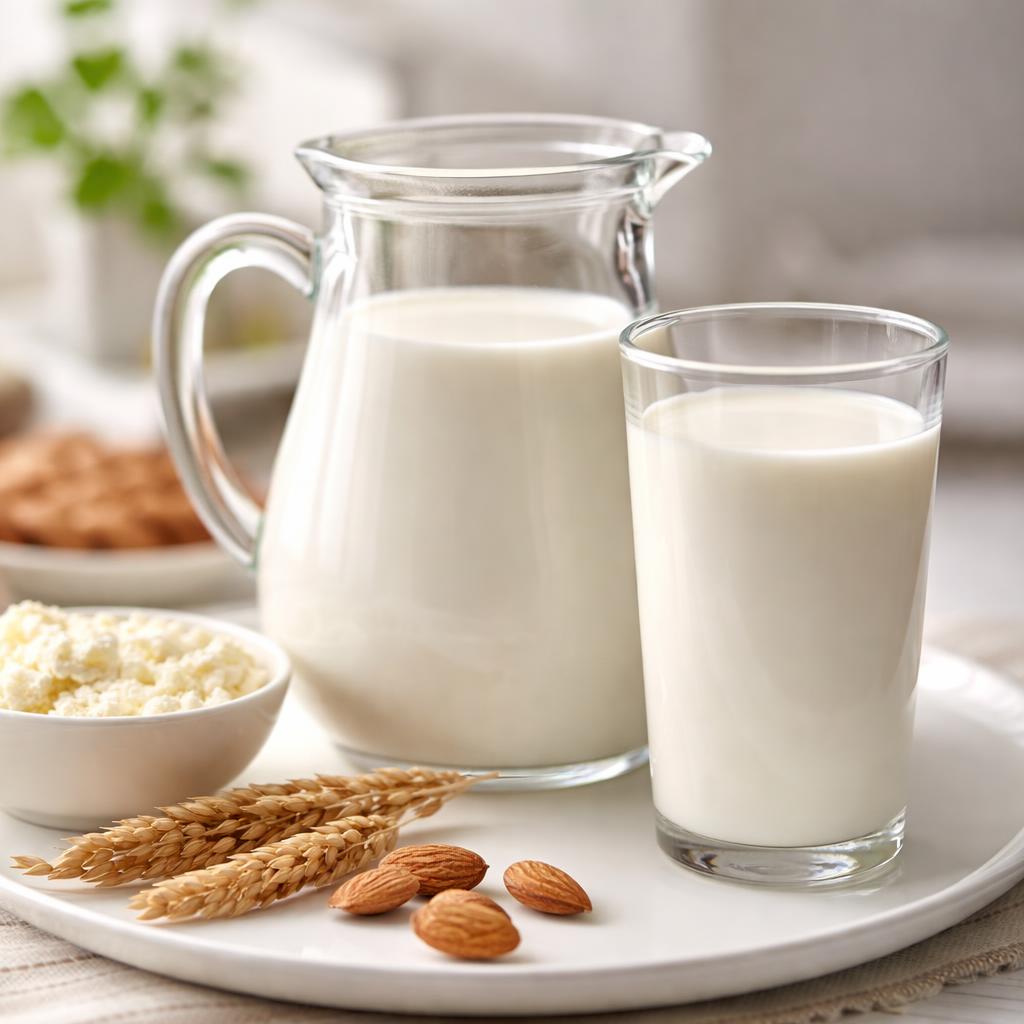
Milk
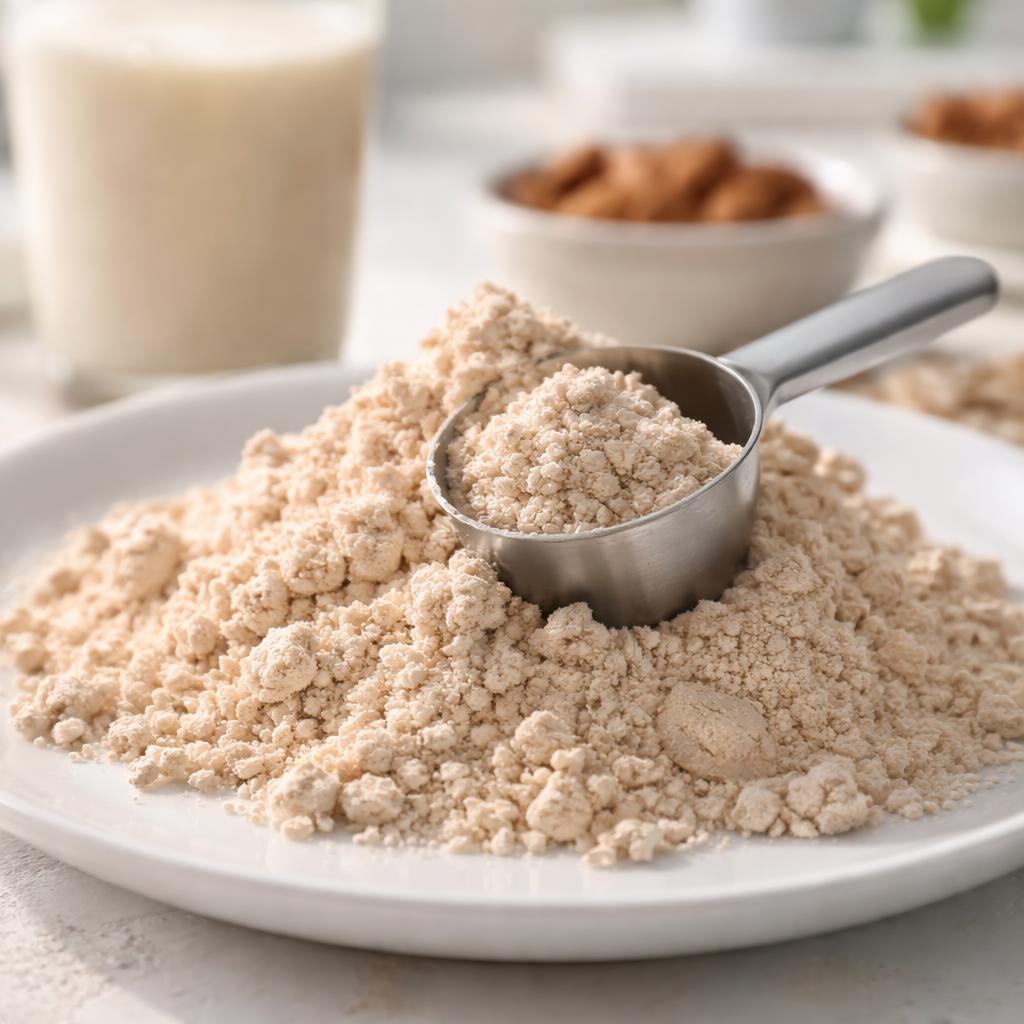
Protein Powder
🎯 Quick Verdict
Milk and protein powder can serve different dietary needs. Protein powder has significantly more protein per serving, making it ideal for muscle-building, while milk is lower in calories and provides additional vitamins like calcium and vitamin D. Milk is best for general nutrition, while protein powder is perfect for targeted protein supplementation.

Smart Nutrition Tracking with SnapCalorie

📊 Nutritional Comparison
Macronutrients
| Nutrient | Food 1 | Food 2 | Winner |
|---|---|---|---|
| Calories | 150 | 120 | ✓ |
| Protein | 8g | 25g | ✓ |
| Carbs | 12g | 3g | ✓ |
| Fat | 8g | 1g | ✓ |
| Fiber | 0g | 0g | − |
Vitamins & Minerals
| Nutrient | Food 1 | Food 2 | Winner |
|---|---|---|---|
| Vitamin D | 2mcg | 0.5mcg | ✓ |
| Calcium | 300mg | 150mg | ✓ |
| Iron | 0mg | 2mg | ✓ |
🏆 Category Winners
Protein
Protein powder has 3x the protein content per serving compared to milk.
Fiber
Neither food contains any fiber.
Calories
Protein powder is slightly lower in calories per serving.
Vitamins
Milk provides significantly more calcium and vitamin D.
🥗 Diet Compatibility
Keto
Food 1: Not Compatible
Food 2: Compatible
Milk is higher in carbs due to lactose, while protein powder has minimal carbs.
Vegan
Food 1: Not Compatible
Food 2: Depends on formulation
Milk is animal-based, and protein powder can be vegan if it's plant-based.
Gluten Free
Food 1: Compatible
Food 2: Compatible
Neither contains gluten.
Paleo
Food 1: Not Compatible
Food 2: Depends on formulation
Milk is not paleo, while some protein powders may align with paleo principles.
Low Carb
Food 1: Not Compatible
Food 2: Compatible
Milk contains about 12g carbs per serving, while protein powder is typically very low in carbs.
💪 Health Benefits Comparison
Food 1 Benefits
- Rich in calcium for bone health
- Provides vitamin D for immune and bone support
- Contains balanced macronutrients for overall nutrition
Food 2 Benefits
- High in protein for muscle recovery and growth
- Low in carbs, making it suitable for keto and low-carb diets
- Can be fortified with additional vitamins and minerals like iron
✅ The Bottom Line
Choose milk for general, balanced nutrition and when you need calcium or vitamin D. Opt for protein powder when focusing on muscle recovery or building, particularly on low-carb diets.
Choose Food 1 for: Balanced nutrition, kids' diets, source of calcium and vitamin D
Choose Food 2 for: Muscle building, post-workout recovery, low-carb diets, protein supplementation


