Milk VS Peanut
A detailed nutritional comparison
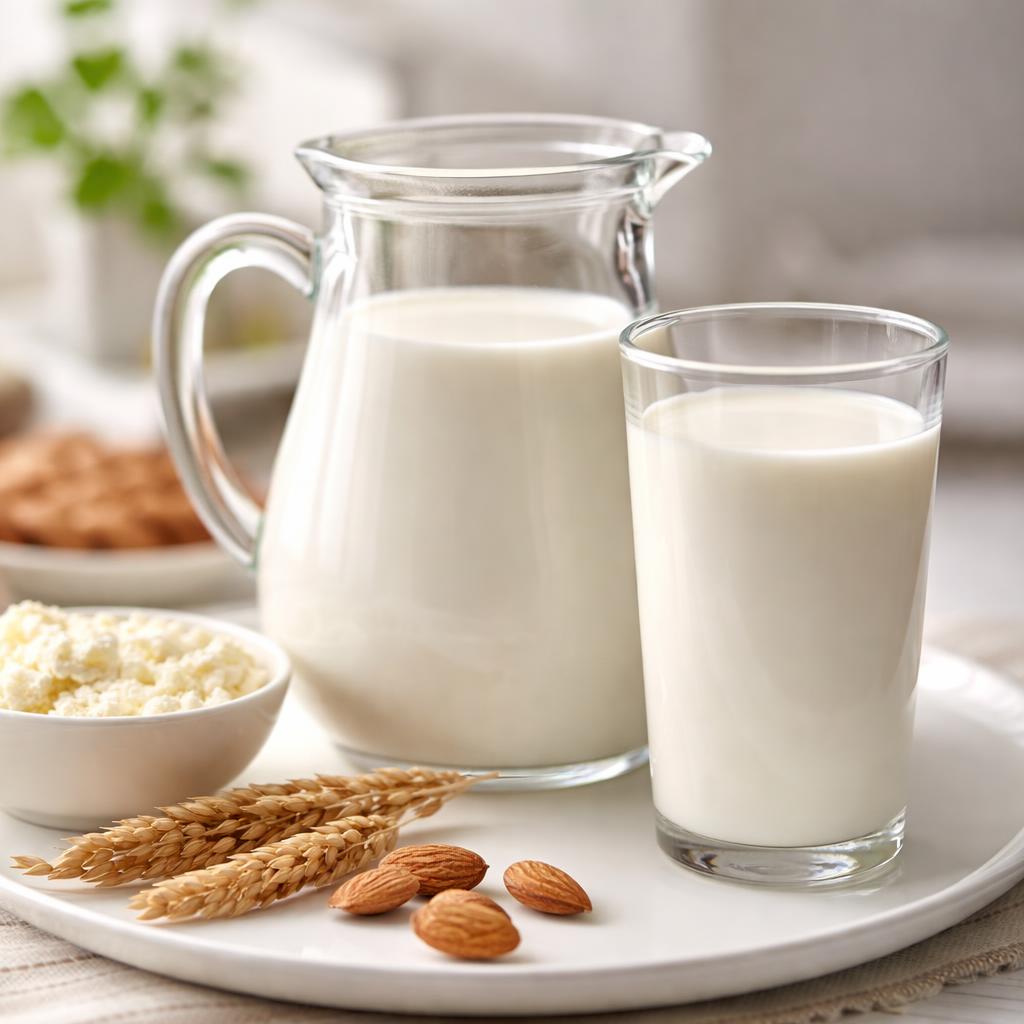
Milk
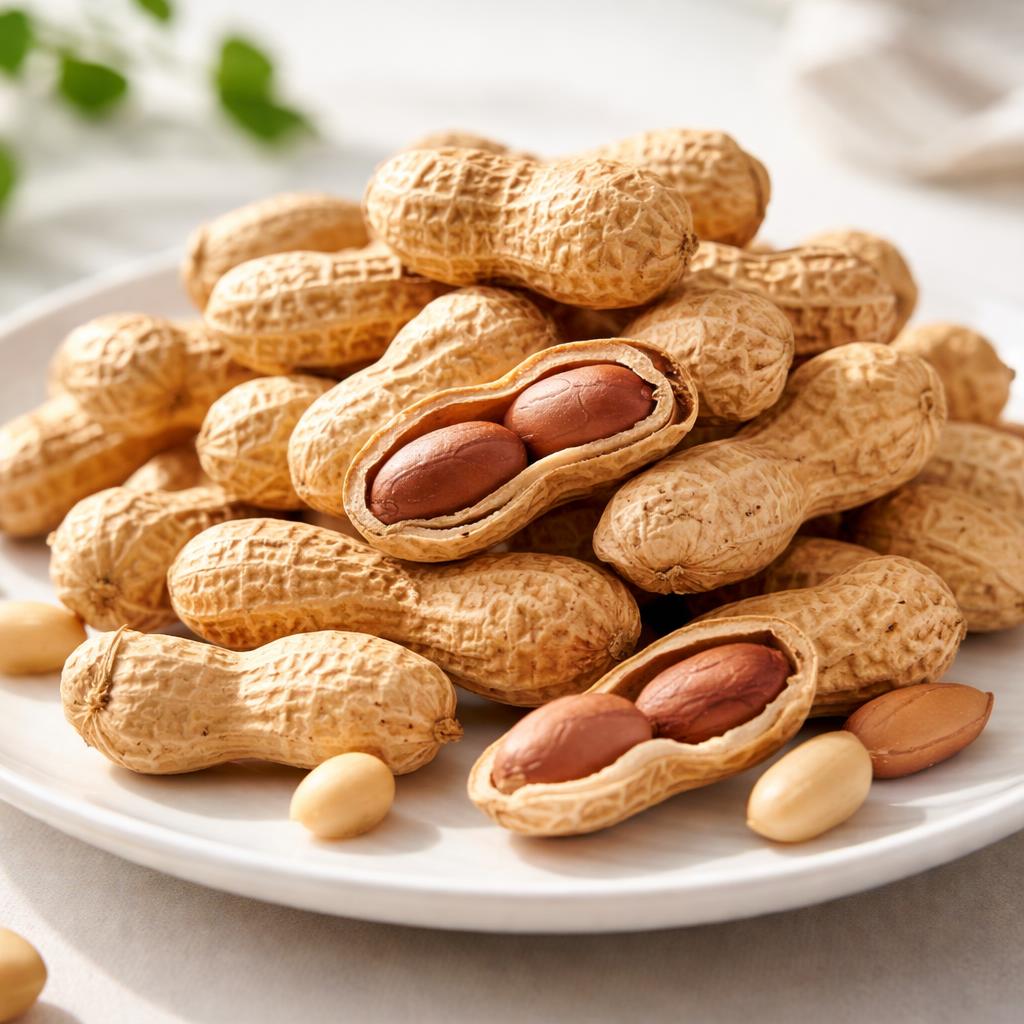
Peanut
🎯 Quick Verdict
Milk and peanuts are nutritionally distinct. Milk stands out for its high protein content, being a great option for muscle growth and repair. Peanuts are packed with fiber, healthy fats, and calories, making them ideal for sustained energy and nutrient-dense snacking. Each food serves different dietary goals, depending on individual needs and use cases.

Smart Nutrition Tracking with SnapCalorie

📊 Nutritional Comparison
Macronutrients
| Nutrient | Food 1 | Food 2 | Winner |
|---|---|---|---|
| Calories | 150 | 200 | ✓ |
| Protein | 8g | 7g | ✓ |
| Carbs | 12g | 6g | ✓ |
| Fat | 5g | 18g | ✓ |
| Fiber | 0g | 2g | ✓ |
Vitamins & Minerals
| Nutrient | Food 1 | Food 2 | Winner |
|---|---|---|---|
| Vitamin D | 2.5mcg | 0mcg | ✓ |
| Calcium | 300mg | 25mg | ✓ |
| Iron | 0.1mg | 1.3mg | ✓ |
| Vitamin E | 0mg | 4.6mg | ✓ |
| Magnesium | 24mg | 50mg | ✓ |
🏆 Category Winners
Protein
Milk offers 8g of protein compared to 7g in peanuts, making it slightly superior for protein content per serving.
Fiber
Peanuts contain 2g of fiber, while milk has 0g.
Calories
Milk contains 150 calories per serving compared to peanuts' 200 calories.
Vitamins
Milk excels in Vitamin D and calcium, while peanuts are richer in Vitamin E, iron, and magnesium.
🥗 Diet Compatibility
Keto
Food 1: Not Compatible
Food 2: Compatible
Peanuts are low-carb, while milk has 12g of carbs per serving.
Vegan
Food 1: Not Compatible
Food 2: Compatible
Milk is animal-derived, whereas peanuts are plant-based.
Gluten Free
Food 1: Compatible
Food 2: Compatible
Neither food contains gluten.
Paleo
Food 1: Not Compatible
Food 2: Compatible
Milk is excluded in strict paleo diets, but peanuts fit the guidelines.
Low-Carb
Food 1: Not Compatible
Food 2: Compatible
Peanuts are low in carbs (6g per serving), while milk has more at 12g.
💪 Health Benefits Comparison
Food 1 Benefits
- High-quality protein that supports muscle repair and growth
- Rich source of calcium for strong bones and teeth
- Provides Vitamin D to improve bone health and immune function
Food 2 Benefits
- Contains healthy monounsaturated fats for heart health
- Good source of magnesium to aid muscle function and relaxation
- Rich in Vitamin E, which acts as an antioxidant
✅ The Bottom Line
Milk and peanuts cater to different nutritional needs. Milk is ideal for those seeking protein and bone health support, while peanuts are better suited for sustained energy and heart-healthy fat intake. Both can be part of a balanced diet depending on dietary goals.
Choose Food 1 for: Muscle building, bone health, post-workout recovery
Choose Food 2 for: Heart health, nutrient-dense snacking, energy boost


