Milk VS Oreo
A detailed nutritional comparison
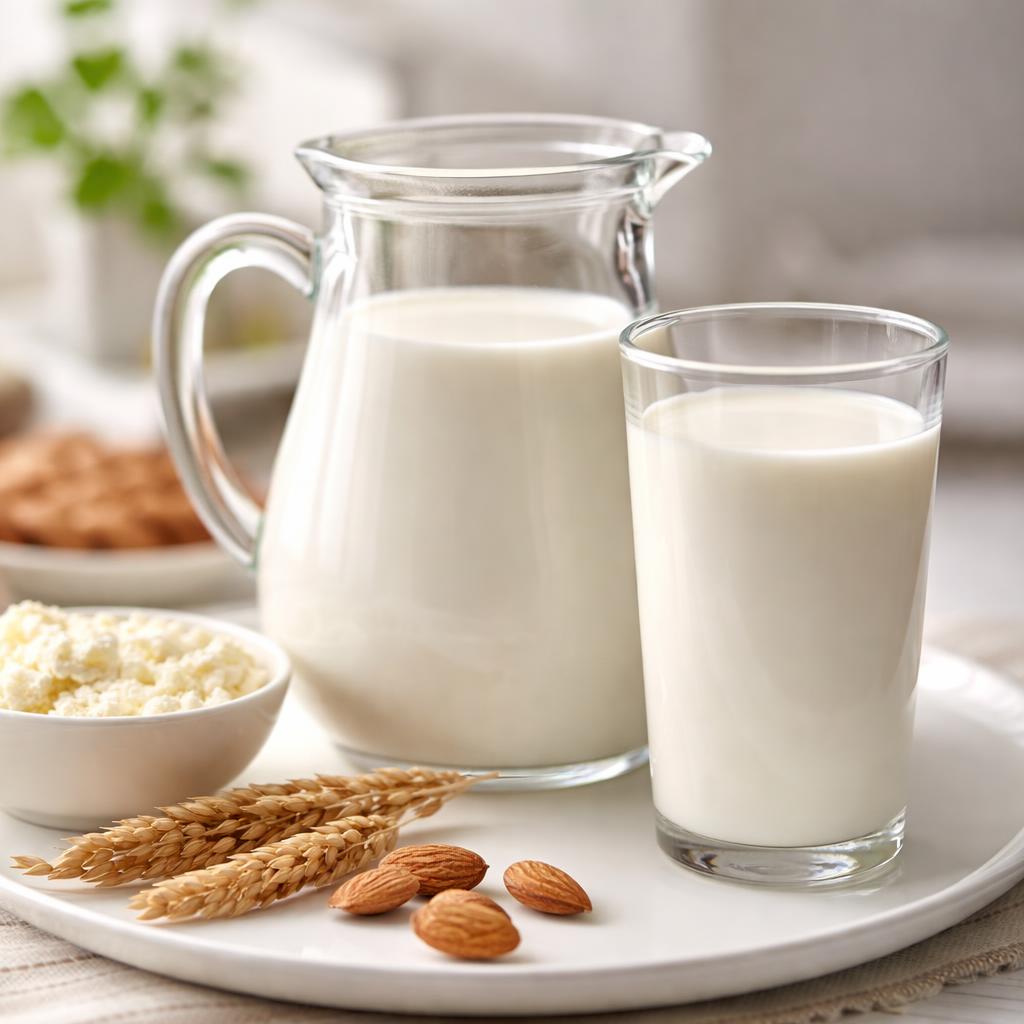
Milk
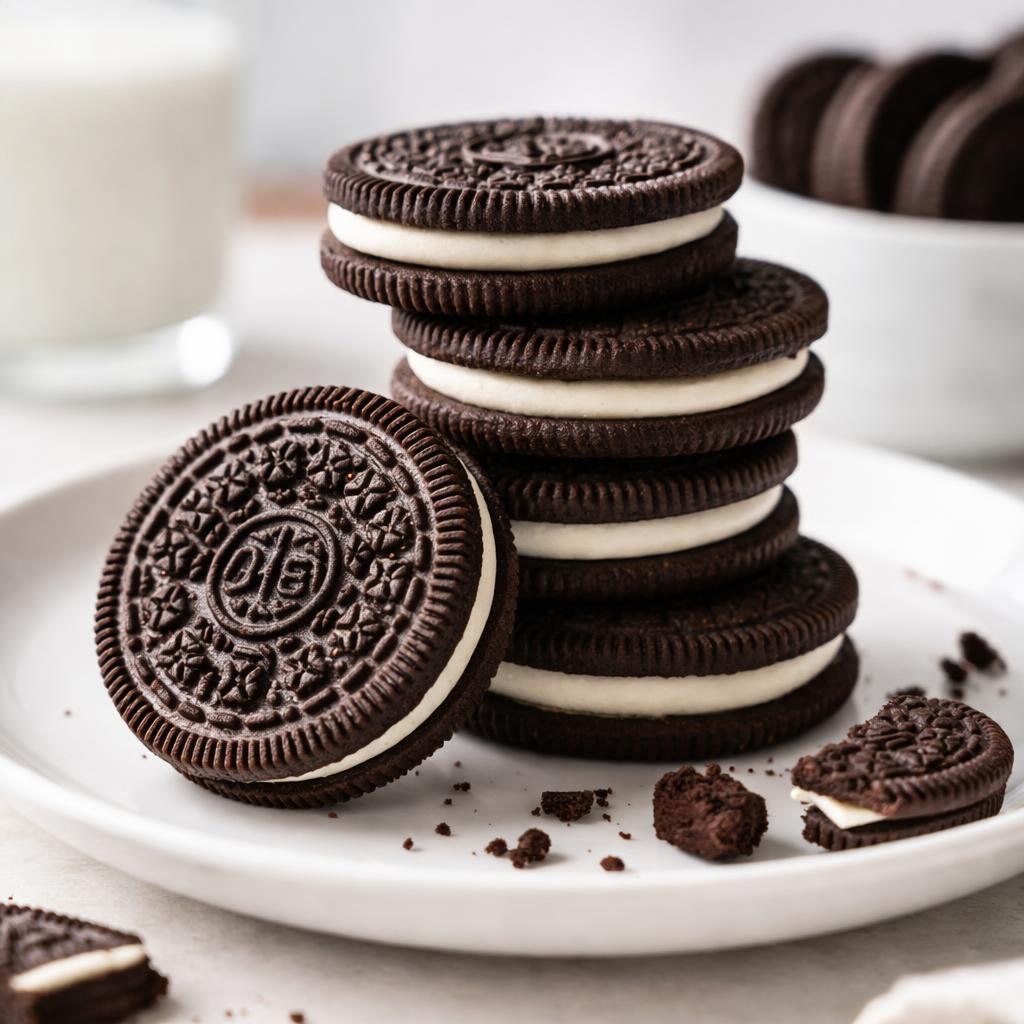
Oreo
🎯 Quick Verdict
Milk is a nutrient-dense beverage offering high protein, calcium, and vitamin D, while Oreos are a snack high in sugar, carbs, and fats with more fiber than milk. Milk is ideal for building muscle and supporting bone health, while Oreos may suit occasional indulgence or energy needs during activity.

Smart Nutrition Tracking with SnapCalorie

📊 Nutritional Comparison
Macronutrients
| Nutrient | Food 1 | Food 2 | Winner |
|---|---|---|---|
| Calories | 103 (1 cup) | 140 (3 cookies) | ✓ |
| Protein | 8g | <1g | ✓ |
| Carbs | 12g | 21g | ✓ |
| Fat | 2.4g | 7g | ✓ |
| Fiber | 0g | 1g | ✓ |
Vitamins & Minerals
| Nutrient | Food 1 | Food 2 | Winner |
|---|---|---|---|
| Vitamin D | 2.4mcg | 0mcg | ✓ |
| Calcium | 300mg | 0mg | ✓ |
| Iron | 0.1mg | 2mg | ✓ |
🏆 Category Winners
Protein
Milk contains significantly more protein, with 8g vs <1g in Oreos.
Fiber
Oreos contain 1g of fiber, while milk contains none.
Calories
Milk has fewer calories per serving, 103 vs 140.
🥗 Diet Compatibility
Keto
Food 1: Not Compatible
Food 2: Not Compatible
Both foods are high in carbs.
Vegan
Food 1: Not Compatible
Food 2: Compatible
Milk is an animal product, while Oreos are plant-based.
Gluten Free
Food 1: Compatible
Food 2: Not Compatible
Milk is naturally gluten-free, Oreos contain wheat flour.
Paleo
Food 1: Not Compatible
Food 2: Not Compatible
Neither fits paleo guidelines due to processed ingredients.
Low-Carb
Food 1: Not Compatible
Food 2: Not Compatible
Both foods contain over 10g of carbs per serving.
💪 Health Benefits Comparison
Food 1 Benefits
- High-quality protein supports muscle growth and repair
- Rich in calcium for strong bones and teeth
- Provides Vitamin D for immune function and bone health
Food 2 Benefits
- Contains small amounts of fiber for digestion
- Quick source of energy due to carbohydrates
- May provide psychological satisfaction as a treat
✅ The Bottom Line
Milk is the better nutritional choice overall, especially for muscle building, bone health, and sustained energy. Oreos, while less nutrient-dense, can be enjoyed occasionally as a sweet snack for quick energy due to their high calorie and sugar content.
Choose Food 1 for: Building muscle, bone health, weight maintenance
Choose Food 2 for: Quick energy boost, occasional indulgence, vegan diets


