Milk VS Nutella
A detailed nutritional comparison
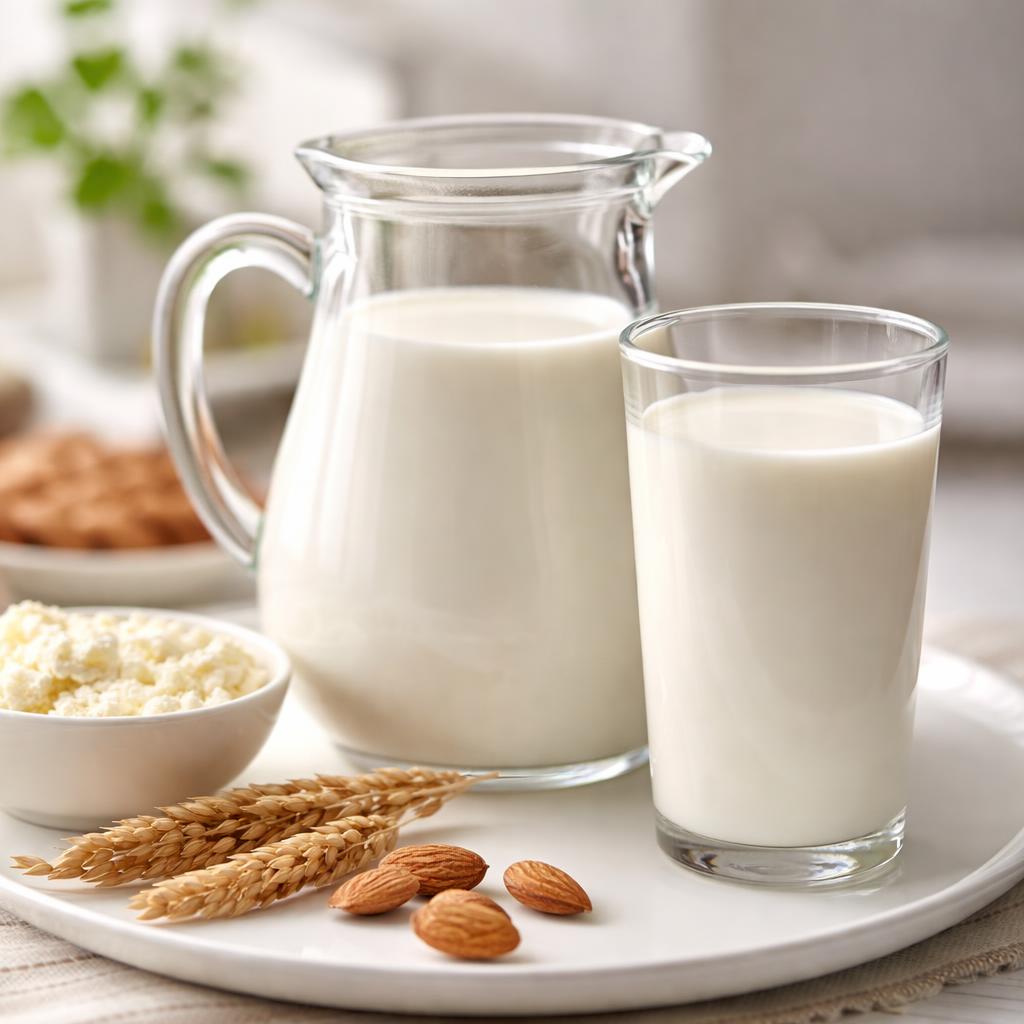
Milk
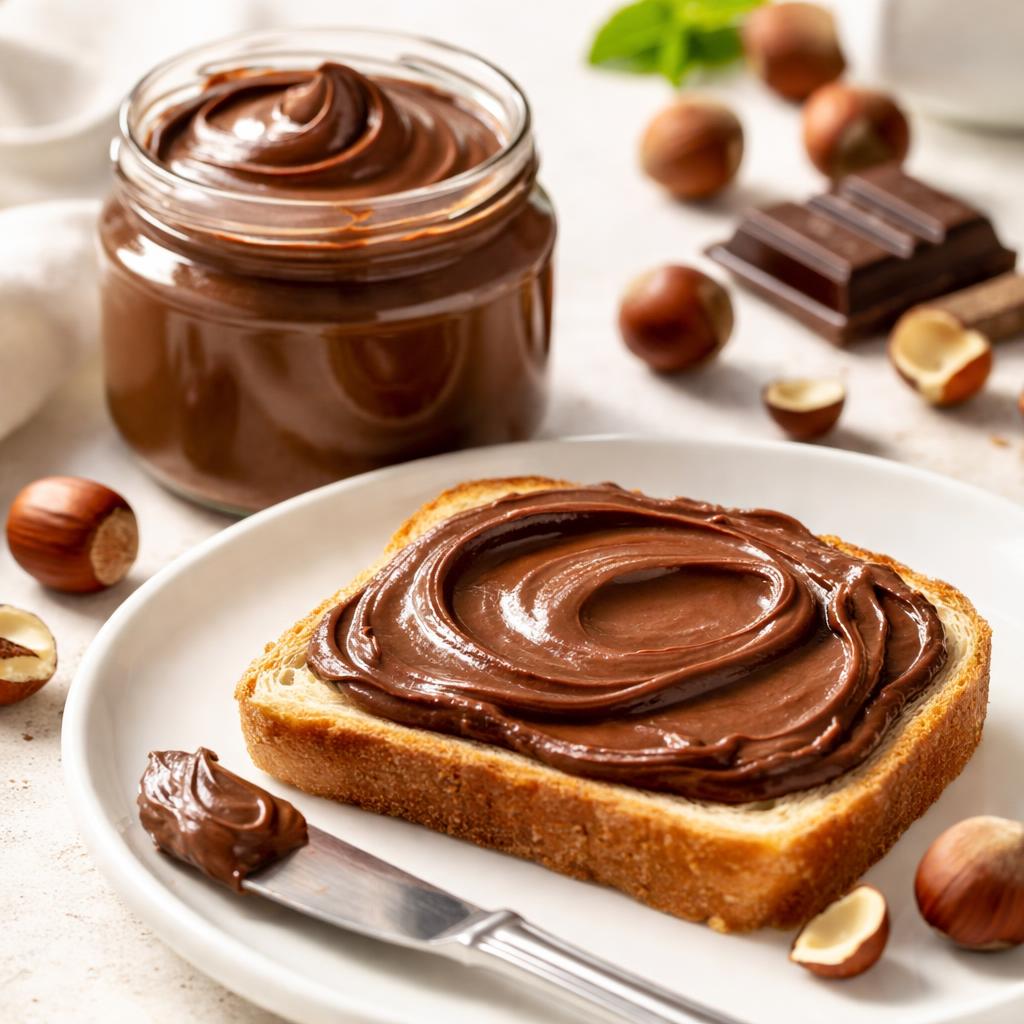
Nutella
🎯 Quick Verdict
Milk is a better source of protein, lower in calories, and offers significant vitamins and minerals like calcium. Nutella is calorie-dense, high in sugar, and contains healthy fats, but lacks protein and essential nutrients compared to milk. Milk is ideal for muscle growth and nutrient density, while Nutella serves as an indulgent treat with heart-healthy fats.

Smart Nutrition Tracking with SnapCalorie

📊 Nutritional Comparison
Macronutrients
| Nutrient | Food 1 | Food 2 | Winner |
|---|---|---|---|
| Calories | 103 (per cup) | 200 (per 2 tablespoons) | − |
| Protein | 8g | 2g | − |
| Carbs | 12g | 22g | − |
| Fat | 2.4g | 11g | − |
| Fiber | 0g | 1g | − |
Vitamins & Minerals
| Nutrient | Food 1 | Food 2 | Winner |
|---|---|---|---|
| Vitamin D | 2.5mcg | 0mcg | − |
| Calcium | 300mg | 40mg | − |
| Iron | 0mg | 1.8mg | − |
🏆 Category Winners
Protein
Milk has 4 times more protein than Nutella per serving.
Fiber
Neither is a significant source of fiber.
Calories
Milk contains roughly half the calories of Nutella per serving.
Vitamins
Milk is rich in essential vitamins like Vitamin D and calcium, which are negligible in Nutella.
🥗 Diet Compatibility
Keto
Food 1: Not Compatible
Food 2: Not Compatible
Both foods contain too many carbs to fit a typical keto plan.
Vegan
Food 1: Not Compatible
Food 2: Compatible
Nutella is plant-based, but milk is animal-derived.
Gluten Free
Food 1: Compatible
Food 2: Compatible
Neither contains gluten.
Paleo
Food 1: Not Compatible
Food 2: Not Compatible
Neither food aligns with Paleo principles (processed sweeteners and dairy).
Low-Carb
Food 1: Not Compatible
Food 2: Not Compatible
Both foods have over 10g of carbs per serving.
💪 Health Benefits Comparison
Food 1 Benefits
- High-quality protein supports muscle repair and growth.
- Rich source of calcium for bone health.
- Contains Vitamin D for immunity and bone strength.
Food 2 Benefits
- Contains healthy fats from hazelnuts for heart health.
- Provides iron, beneficial for energy and oxygen transport.
- Indulgent treat that adds quick caloric energy.
✅ The Bottom Line
Milk is a nutrient-dense beverage ideal for muscle recovery and bone health, while Nutella is a calorie-dense treat best enjoyed in moderation. Choose milk for balanced nutrition and active lifestyles. Use Nutella as an occasional indulgence for energy or flavor enhancement.
Choose Food 1 for: Muscle growth, bone health, balanced nutrition
Choose Food 2 for: Quick energy boost, dessert topping, satisfying cravings


