Milk VS Mozzarella Balls
A detailed nutritional comparison
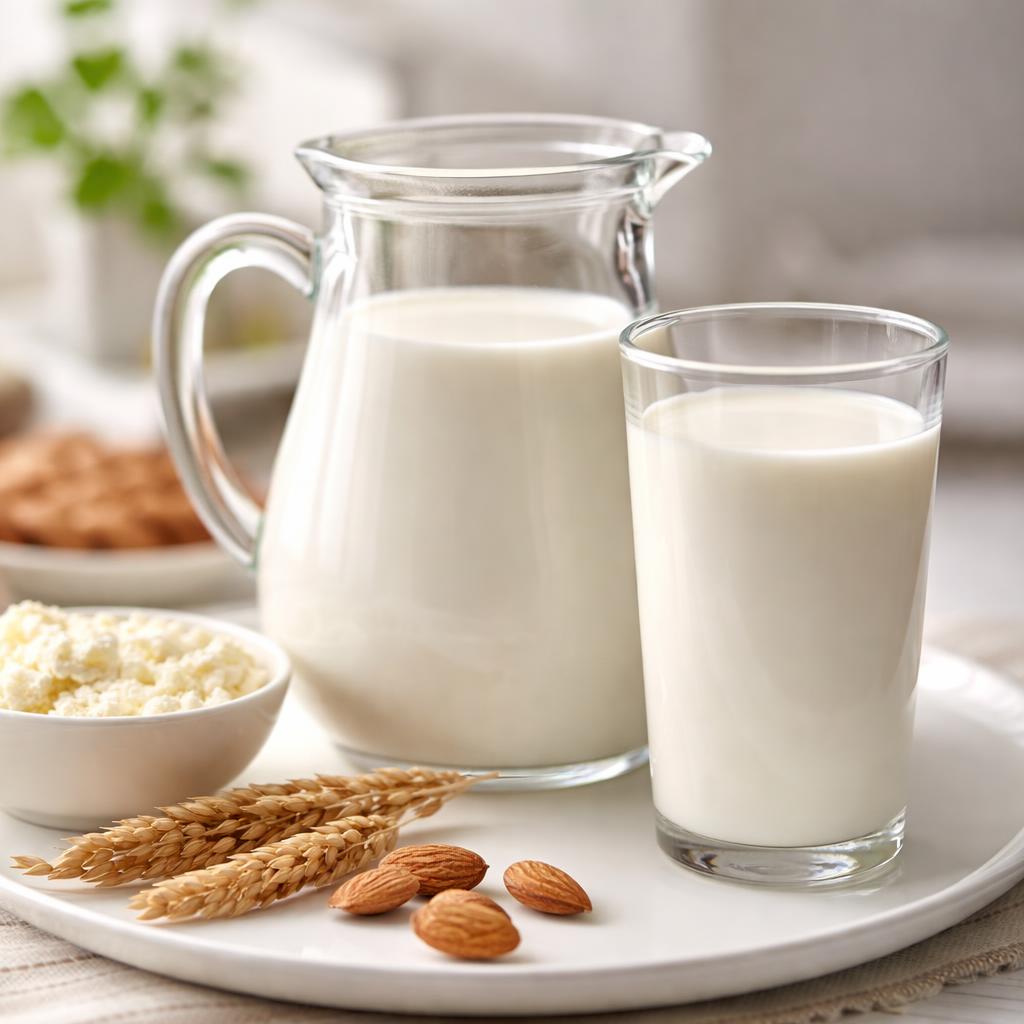
Milk
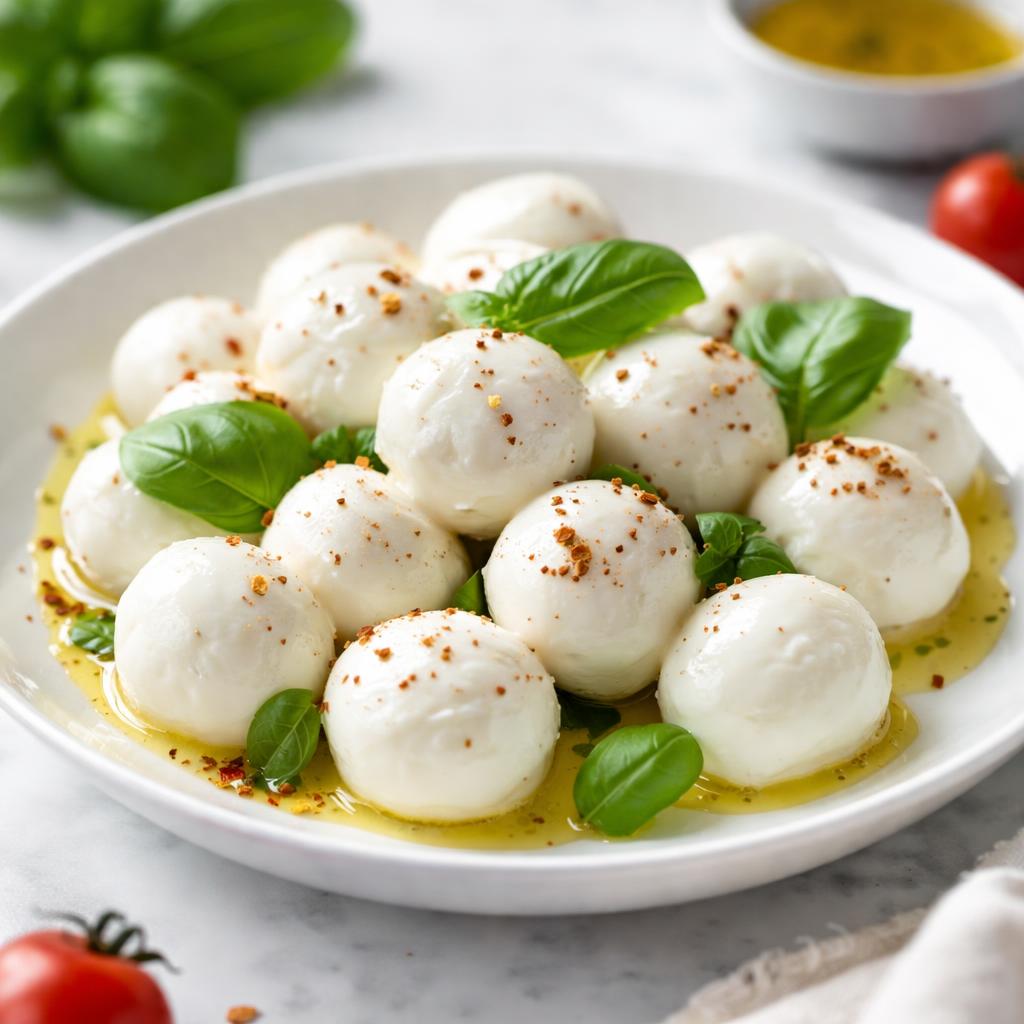
Mozzarella Balls
🎯 Quick Verdict
Milk and mozzarella balls differ in nutrient density and purpose. Mozzarella balls are higher in protein (22g vs 8g per serving) and fats, making them ideal for muscle recovery and keto diets. Milk has fewer calories, more hydration, and offers calcium and Vitamin D, better suited for general nutrition, bone health, and lighter diets.

Smart Nutrition Tracking with SnapCalorie

📊 Nutritional Comparison
Macronutrients
| Nutrient | Food 1 | Food 2 | Winner |
|---|---|---|---|
| Calories | 103 | 282 | ✓ |
| Protein | 8g | 22g | ✓ |
| Carbs | 12g | 2g | ✓ |
| Fat | 2.4g | 22g | ✓ |
| Fiber | 0g | 0g | − |
Vitamins & Minerals
| Nutrient | Food 1 | Food 2 | Winner |
|---|---|---|---|
| Vitamin D | 2mcg | 0mcg | ✓ |
| Calcium | 300mg | 505mg | ✓ |
| Iron | 0.07mg | 0.3mg | ✓ |
🏆 Category Winners
Protein
Mozzarella balls provide 175% more protein per serving compared to milk.
Fiber
Neither food contains dietary fiber.
Calories
Milk offers significantly fewer calories per serving than mozzarella balls, making it lighter.
Vitamins
Milk wins on Vitamin D, while mozzarella wins on calcium and iron; balanced overall.
🥗 Diet Compatibility
Keto
Food 1: Not Compatible
Food 2: Compatible
Mozzarella is low-carb and high-fat, meeting keto requirements.
Vegan
Food 1: Not Compatible
Food 2: Not Compatible
Both foods are animal-derived.
Gluten Free
Food 1: Compatible
Food 2: Compatible
Neither food contains gluten.
Paleo
Food 1: Not Compatible
Food 2: Compatible
Mozzarella matches paleo dietary preferences; milk does not due to dairy processing concerns.
Low-Carb
Food 1: Not Compatible
Food 2: Compatible
Mozzarella is very low in carbs, while milk contains significant carbohydrates from lactose.
💪 Health Benefits Comparison
Food 1 Benefits
- Rich source of calcium for bone health
- Provides hydration due to its water content
- Contains Vitamin D, supporting immune and bone health
Food 2 Benefits
- High in protein for muscle recovery and growth
- Rich in calcium for bone strength
- Low in carbs, ideal for keto and low-carb diets
- Contains healthy fats for energy and satiety
✅ The Bottom Line
Choose milk for hydration, bone health, and general nutrition, especially in a lower calorie or high-carb balanced diet. Opt for mozzarella balls if seeking high protein, energy-dense snacking, or meals suited for keto or paleo diets.
Choose Food 1 for: Hydration, bone health, lighter calorie diets, general nutrition
Choose Food 2 for: High-protein diets, muscle recovery, keto/paleo dieting, rich nutrient snacks


