Milk VS Mango
A detailed nutritional comparison
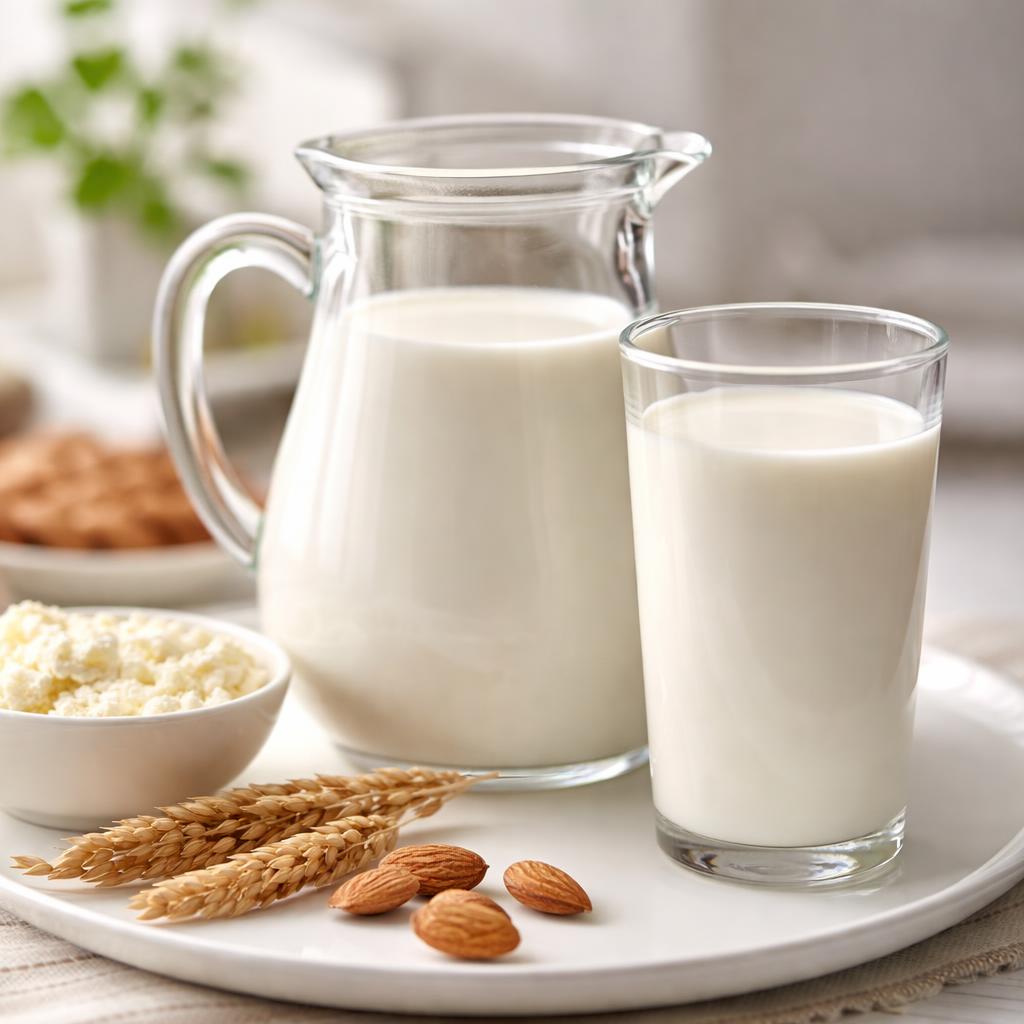
Milk
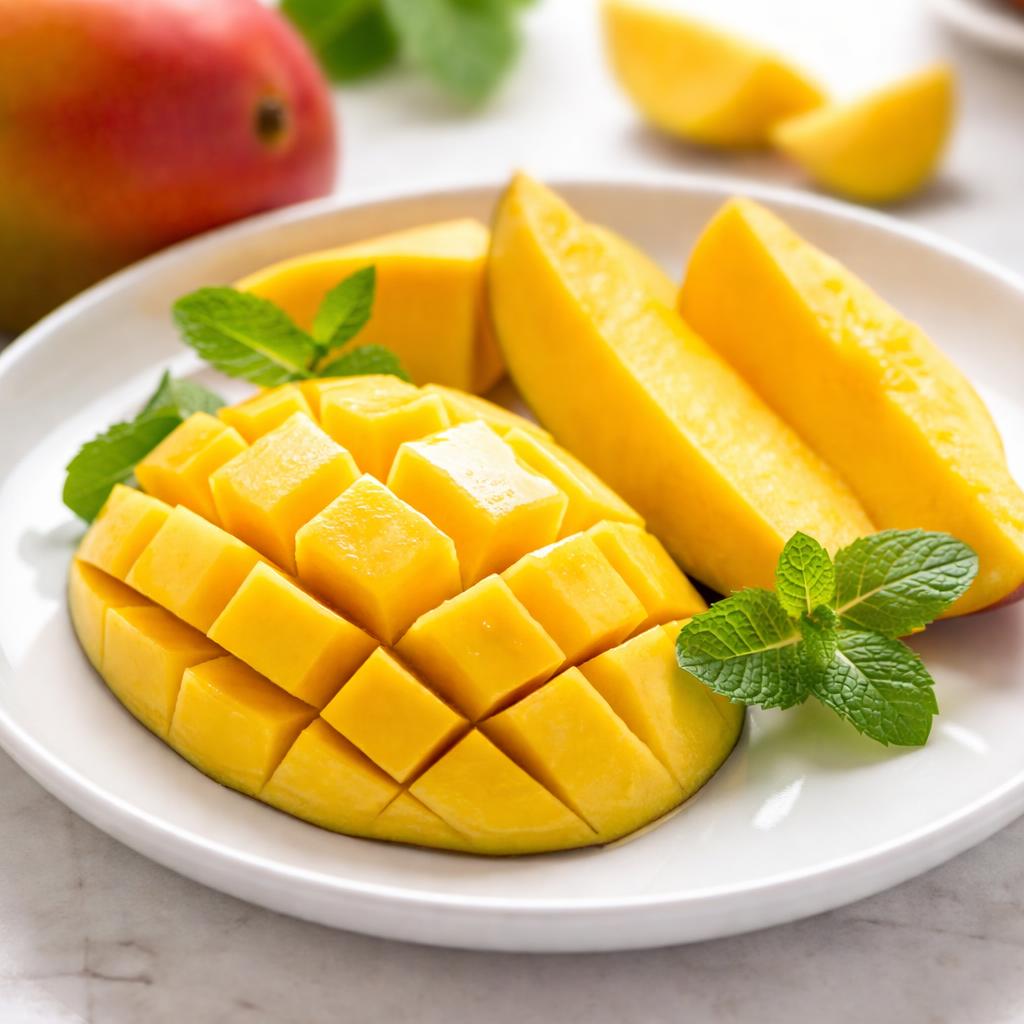
Mango
🎯 Quick Verdict
Milk is a protein-rich, low-calorie beverage ideal for muscle maintenance and post-workout recovery. Mango, on the other hand, is a fiber-rich fruit packed with vitamins and natural sweetness, making it perfect for snacking and adding to smoothies. Both foods complement different dietary goals effectively.

Smart Nutrition Tracking with SnapCalorie

📊 Nutritional Comparison
Macronutrients
| Nutrient | Food 1 | Food 2 | Winner |
|---|---|---|---|
| Calories | 103 kcal (1 cup, 240 ml) | 99 kcal (1 cup, sliced) | − |
| Protein | 8g | 1g | − |
| Carbs | 12g | 25g | − |
| Fat | 2.4g | 0.6g | − |
| Fiber | 0g | 2.6g | − |
Vitamins & Minerals
| Nutrient | Food 1 | Food 2 | Winner |
|---|---|---|---|
| Vitamin D | 2.9mcg | 0mcg | − |
| Vitamin C | 0mg | 60mg | − |
| Calcium | 300mg | 15mg | − |
| Iron | 0.07mg | 0.26mg | − |
🏆 Category Winners
Protein
Milk contains 8g of protein per cup, which is much higher than mango's 1g of protein.
Fiber
Mango offers 2.6g of fiber per cup, providing gut health benefits compared to milk's 0g fiber.
Calories
Both foods have comparable caloric content (around 100kcal per cup).
🥗 Diet Compatibility
Keto
Food 1: Not Compatible
Food 2: Not Compatible
Both milk and mango are high in carbs, making them unsuitable for keto diets.
Vegan
Food 1: Not Compatible
Food 2: Compatible
Milk is animal-derived, while mango is a plant-based food.
Gluten Free
Food 1: Compatible
Food 2: Compatible
Neither milk nor mango contains gluten.
Paleo
Food 1: Not Compatible
Food 2: Compatible
Milk is not allowed on Paleo diets, but mango is acceptable.
Low Carb
Food 1: Not Compatible
Food 2: Not Compatible
Milk contains 12g of carbs per cup, and mango contains 25g of carbs per cup, which are both high.
💪 Health Benefits Comparison
Food 1 Benefits
- High-quality protein for muscle and tissue repair
- Rich in calcium for bone health
- Contains vitamin D for immune function and bone strengthening
Food 2 Benefits
- High in vitamin C, supporting immune health and collagen production
- Provides antioxidants to combat free radicals
- Rich in fiber for digestive health
✅ The Bottom Line
Milk is an excellent option for those needing high protein and calcium, making it ideal for active individuals or post-workout recovery. Mango, meanwhile, is better for fiber intake, vitamin C, and natural energy boosts, making it a great addition to smoothies, salads, or as a snack.
Choose Food 1 for: Muscle maintenance, post-workout recovery, bone health
Choose Food 2 for: Immune support, fiber intake, antioxidant boost


