Milk VS Hamburger Bun
A detailed nutritional comparison
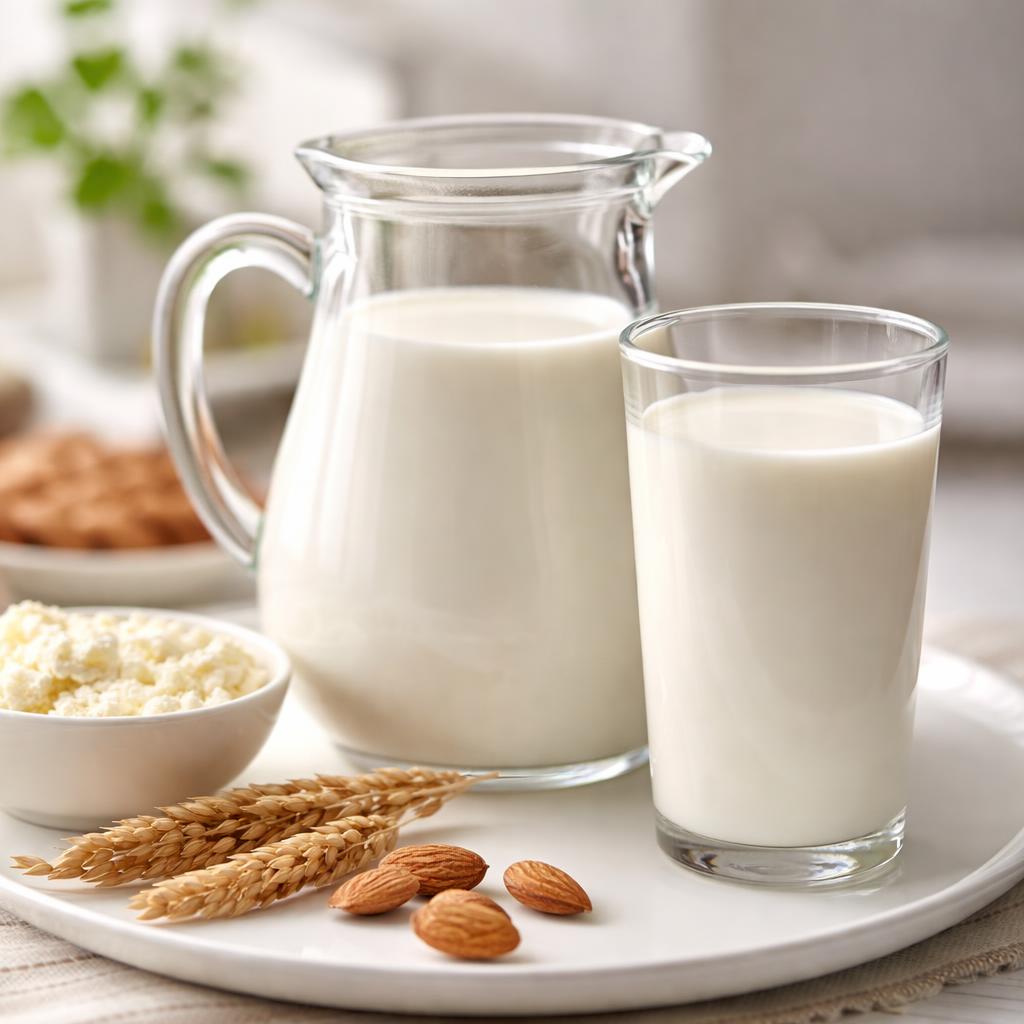
Milk

Hamburger Bun
🎯 Quick Verdict
Milk is higher in protein and has fewer calories compared to a hamburger bun. It also provides essential vitamins like calcium and Vitamin D. On the other hand, a hamburger bun offers more dietary fiber but is higher in carbohydrates and calories. Milk suits protein-rich diets and hydration needs, while the bun serves as a source of carbs and fiber, ideal for energy replenishment.

Smart Nutrition Tracking with SnapCalorie

📊 Nutritional Comparison
Macronutrients
| Nutrient | Food 1 | Food 2 | Winner |
|---|---|---|---|
| Calories | 150 | 210 | ✓ |
| Protein | 8g | 5g | ✓ |
| Carbs | 12g | 40g | ✓ |
| Fat | 8g | 2g | ✓ |
| Fiber | 0g | 1g | ✓ |
Vitamins & Minerals
| Nutrient | Food 1 | Food 2 | Winner |
|---|---|---|---|
| Vitamin D | 2.5mcg | 0mcg | ✓ |
| Calcium | 300mg | 75mg | ✓ |
| Iron | 0mg | 2mg | ✓ |
🏆 Category Winners
Protein
Milk provides 60% more protein per serving than a hamburger bun.
Fiber
The bun has dietary fiber (1g per serving) compared to zero fiber in milk.
Calories
Milk contains 28% fewer calories than the bun.
Vitamins
Milk is rich in calcium and Vitamin D, whereas the bun lacks these nutrients.
🥗 Diet Compatibility
Keto
Food 1: Not Compatible
Food 2: Not Compatible
Both are too high in carbs for keto diets.
Vegan
Food 1: Not Compatible
Food 2: Compatible
Milk is an animal product, while the bun is plant-based.
Gluten Free
Food 1: Compatible
Food 2: Not Compatible
Milk contains no gluten; the bun is made with wheat flour.
Paleo
Food 1: Not Compatible
Food 2: Not Compatible
Neither item aligns with paleo principles, as milk is dairy and the bun is made of grains.
Low Carb
Food 1: Compatible
Food 2: Not Compatible
Milk has lower carbs (12g) compared to the bun (40g).
💪 Health Benefits Comparison
Food 1 Benefits
- Rich in calcium for bone health
- Provides Vitamin D for immunity and bone strength
- Offers high-quality protein for muscle growth and repair
Food 2 Benefits
- Good source of energy from carbohydrates
- Contains dietary fiber for digestive health
- Provides iron which supports oxygen transport in the body
✅ The Bottom Line
Milk is a nutrient-dense option for protein, calcium, and Vitamin D, making it suitable for post-workout recovery, bone health, and protein-rich diets. A hamburger bun is better for quick energy needs and modest fiber intake but is less nutrient-dense overall. Choose milk for a protein boost or the bun for carb-based energy during active days.
Choose Food 1 for: Bone health, muscle repair, low-calorie diets
Choose Food 2 for: Energy replenishment, fiber intake, vegan meals


