Milk VS Goat Cheese
A detailed nutritional comparison
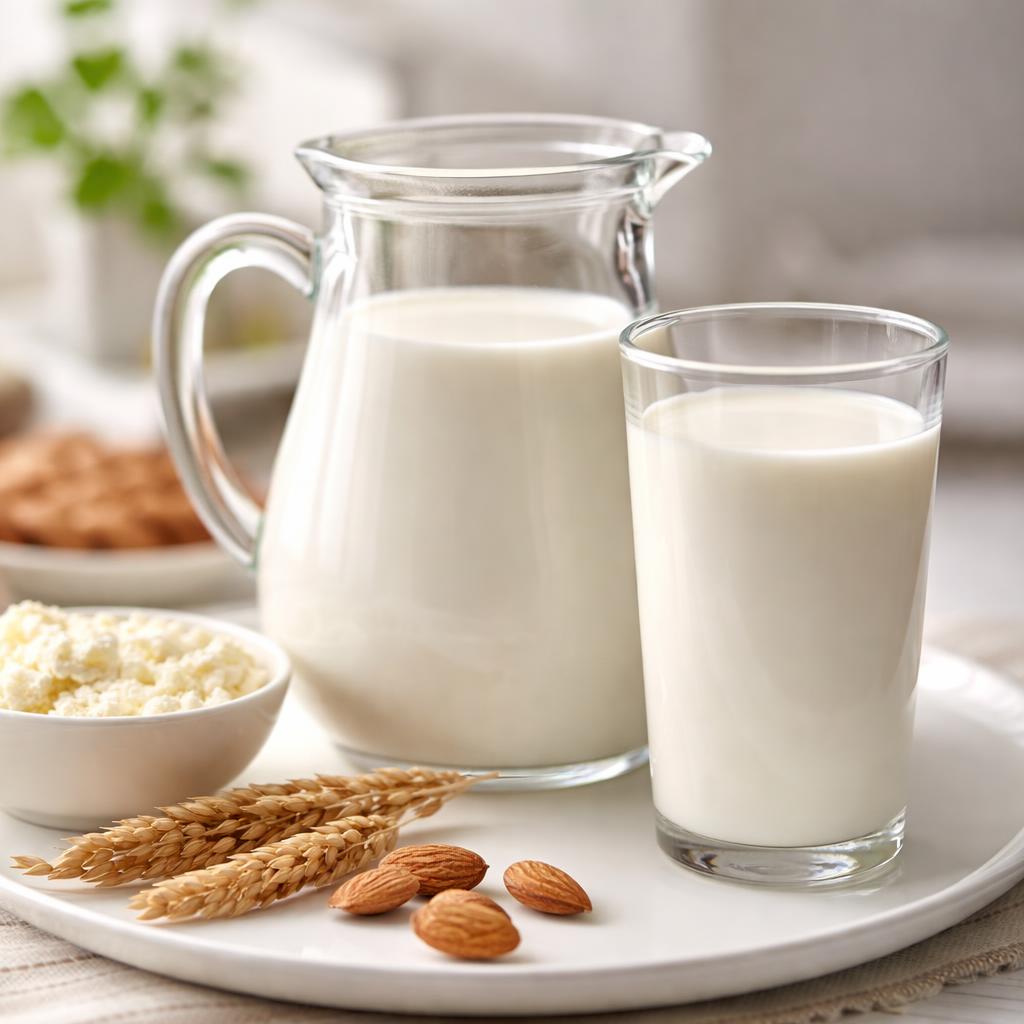
Milk
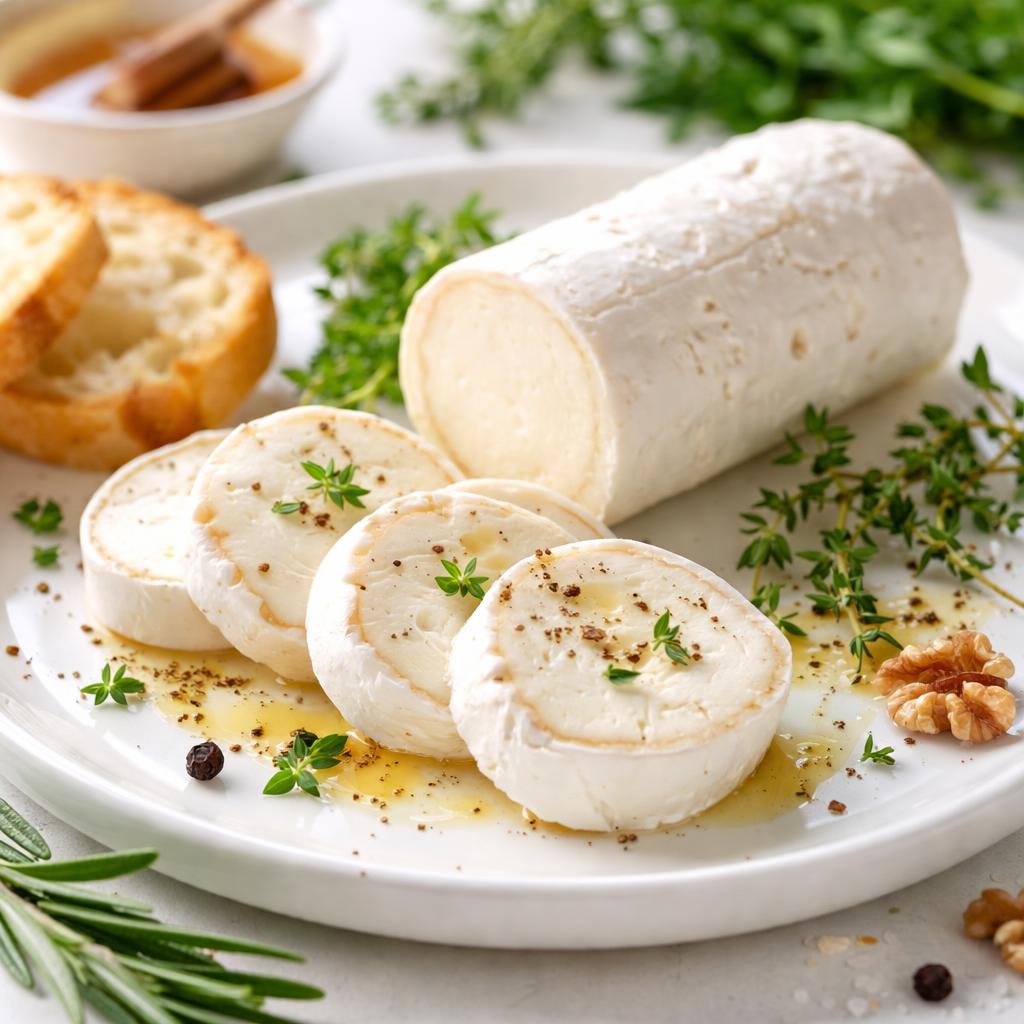
Goat Cheese
🎯 Quick Verdict
Goat cheese is more nutrient-dense compared to milk, offering higher protein, fat, and beneficial minerals like calcium and phosphorus. Milk, on the other hand, is lower in calories and more hydrating due to its higher water content, making it suitable for calorie-conscious diets or rehydration. Choose goat cheese for nutrient density and milk for simplicity or low-calorie options.

Smart Nutrition Tracking with SnapCalorie

📊 Nutritional Comparison
Macronutrients
| Nutrient | Food 1 | Food 2 | Winner |
|---|---|---|---|
| Calories | 125 (per cup) | 364 (per 100g) | ✓ |
| Protein | 8g (per cup) | 22g (per 100g) | ✓ |
| Carbs | 12g (per cup) | 1g (per 100g) | ✓ |
| Fat | 4.8g (per cup) | 29g (per 100g) | ✓ |
| Fiber | 0g | 0g | − |
Vitamins & Minerals
| Nutrient | Food 1 | Food 2 | Winner |
|---|---|---|---|
| Vitamin A | 113mcg | 407mcg | ✓ |
| Calcium | 300mg | 450mg | ✓ |
| Phosphorus | 247mg | 405mg | ✓ |
| Vitamin D | 2.9mcg (fortified) | none | ✓ |
🏆 Category Winners
Protein
Goat cheese contains nearly 3x the protein per equivalent serving size compared to milk.
Fiber
Neither milk nor goat cheese contains dietary fiber.
Calories
Milk has significantly fewer calories, making it suitable for calorie-controlled diets.
Vitamins
Goat cheese provides higher amounts of Vitamin A, Calcium, and Phosphorus, while milk is a better source of Vitamin D due to fortification.
🥗 Diet Compatibility
Keto
Food 1: Not Compatible
Food 2: Compatible
Goat cheese is extremely low in carbs (1g), whereas milk has 12g of carbohydrates per serving, making it less suitable for keto.
Vegan
Food 1: Not Compatible
Food 2: Not Compatible
Both are animal-derived products.
Gluten Free
Food 1: Compatible
Food 2: Compatible
Neither contains gluten.
Paleo
Food 1: Not Compatible
Food 2: Not Compatible
Neither adheres strictly to paleo principles due to the processing of dairy.
Low-Carb
Food 1: Not Compatible
Food 2: Compatible
Goat cheese is low-carb, while milk has a higher carbohydrate content.
💪 Health Benefits Comparison
Food 1 Benefits
- Rich in calcium for bone health
- Hydrating due to its high water content
- Fortified Vitamin D improves immune function
Food 2 Benefits
- Dense in protein for muscle repair and growth
- High in healthy fats that support brain and heart health
- Rich in calcium and phosphorus for strong bones and teeth
- Contains probiotics that promote gut health
✅ The Bottom Line
Choose milk for hydration, lower calories, and fortified Vitamin D if you're focused on simple, calorie-conscious consumption. Goat cheese is a better option for those seeking nutrient density, healthy fats, and a low-carb, keto-compatible alternative. Both have strengths depending on dietary goals.
Choose Food 1 for: Hydration, calorie-controlled diets, fortified nutrition
Choose Food 2 for: Keto diets, higher protein intake, nutrient density


