Milk VS Garlic Sauce
A detailed nutritional comparison
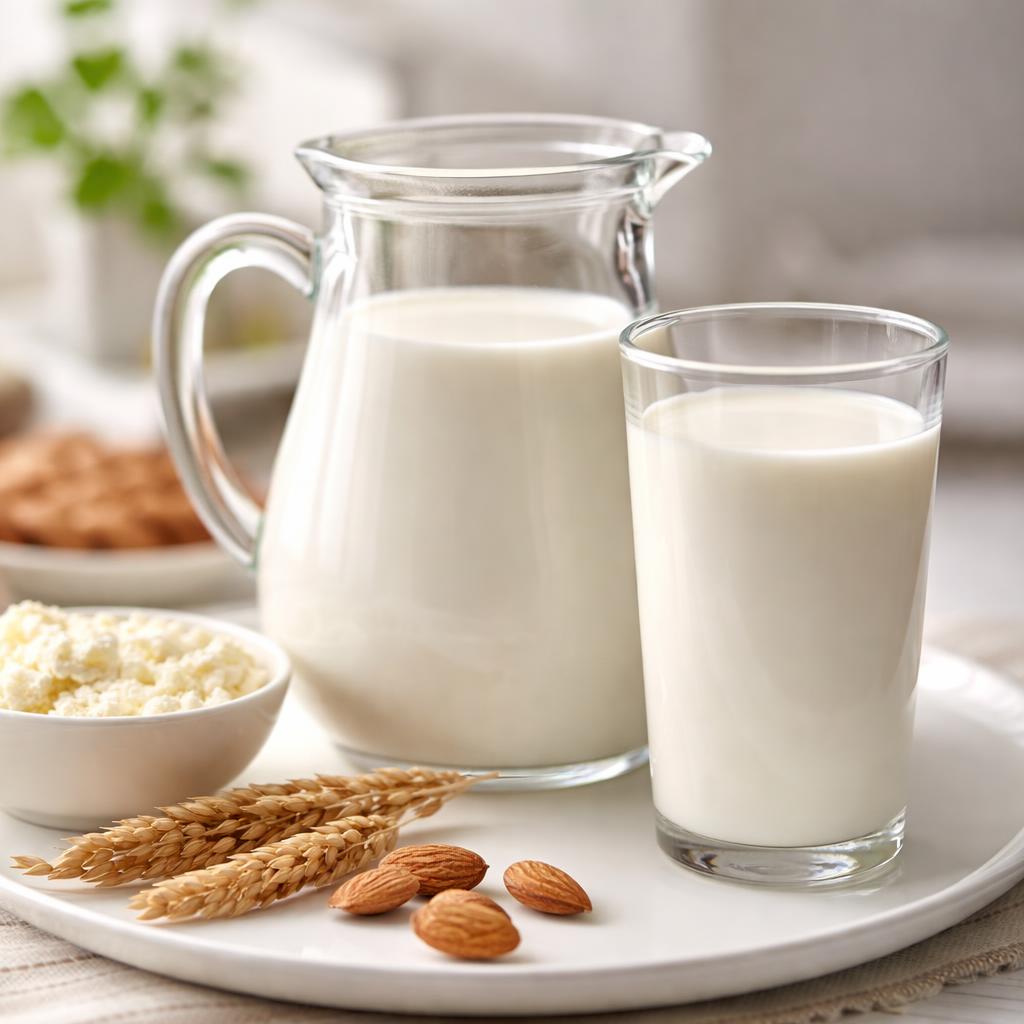
Milk
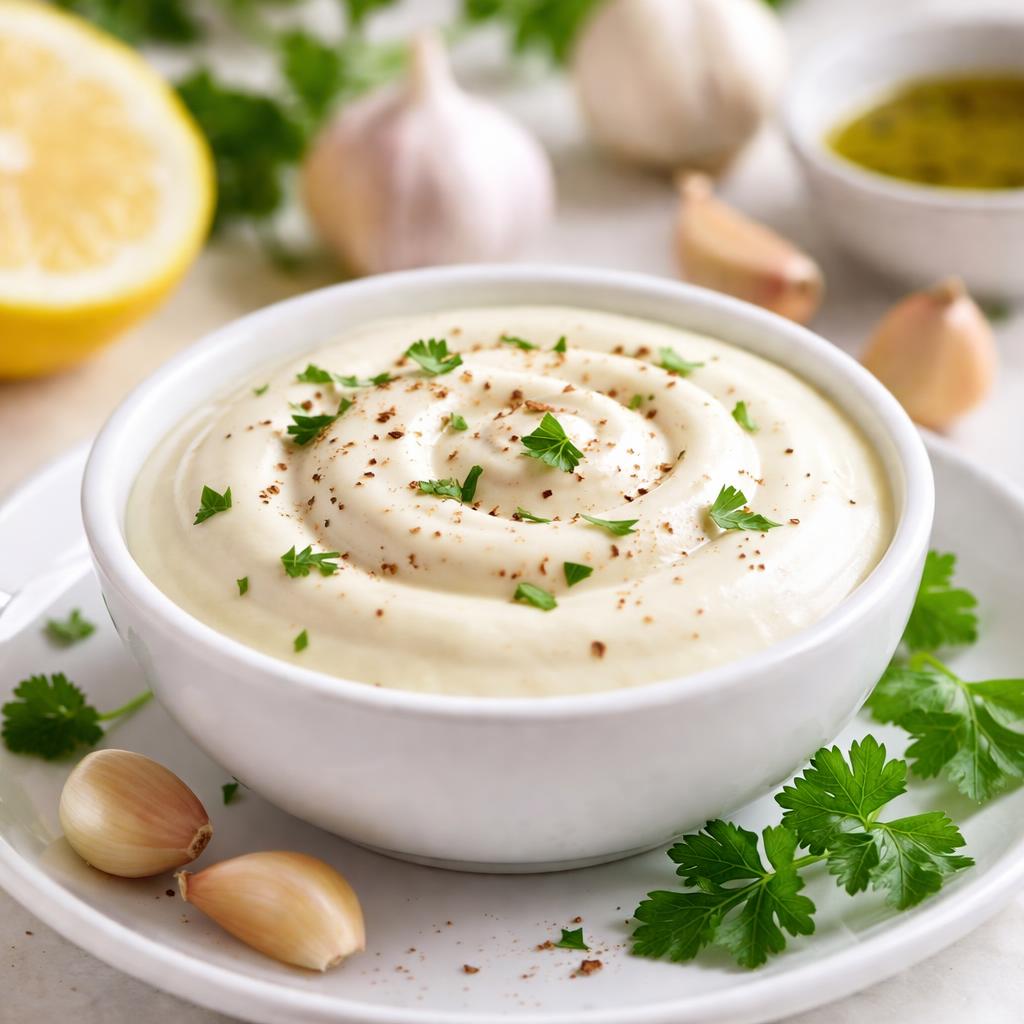
Garlic Sauce
🎯 Quick Verdict
Milk and garlic sauce have drastically different nutritional profiles. Milk is protein-rich, lower in calories, and provides essential vitamins such as calcium and vitamin D, making it suitable for bone health and post-workout recovery. Garlic sauce, higher in calories and fats, offers distinct antioxidants and flavor-enhancing properties, making it a better addition to meals rather than a standalone nutritional source.

Smart Nutrition Tracking with SnapCalorie

📊 Nutritional Comparison
Macronutrients
| Nutrient | Food 1 | Food 2 | Winner |
|---|---|---|---|
| Calories | 103 | 150 | ✓ |
| Protein | 8g | 1g | ✓ |
| Carbs | 12g | 6g | ✓ |
| Fat | 2.4g | 13g | ✓ |
| Fiber | 0g | 0.5g | ✓ |
Vitamins & Minerals
| Nutrient | Food 1 | Food 2 | Winner |
|---|---|---|---|
| Vitamin D | 2.5mcg | 0mcg | ✓ |
| Calcium | 300mg | 10mg | ✓ |
| Iron | 0.05mg | 0.3mg | ✓ |
🏆 Category Winners
Protein
Milk offers 800% more protein than garlic sauce per serving size.
Fiber
Garlic sauce contains 0.5g of fiber while milk lacks any dietary fiber.
Calories
Milk has 47 fewer calories per serving compared to garlic sauce.
Vitamins
Milk is a significantly better source of calcium and vitamin D for bone health.
🥗 Diet Compatibility
Keto
Food 1: Not Compatible
Food 2: Compatible
Garlic sauce is higher in fat and low in carbs, whereas milk contains more carbohydrate.
Vegan
Food 1: Not Compatible
Food 2: Compatible
Milk is animal-derived, while garlic sauce is typically plant-based.
Gluten Free
Food 1: Compatible
Food 2: Compatible
Neither contains gluten.
Paleo
Food 1: Not Compatible
Food 2: Compatible
Milk is excluded from paleo diets, but garlic sauce is permissible.
Low Carb
Food 1: Not Compatible
Food 2: Compatible
Milk contains more carbohydrates (12g per serving) compared to garlic sauce (6g).
💪 Health Benefits Comparison
Food 1 Benefits
- High in protein to support muscle growth and repair
- Rich in calcium and vitamin D for strong bones and teeth
- Contains B vitamins for energy metabolism
Food 2 Benefits
- Rich in antioxidants from garlic for immune health
- Healthy fats that support cardiovascular health
- Adds flavor to meals without requiring excessive salt or spices
✅ The Bottom Line
Milk is ideal for those seeking a protein-rich beverage or a source of calcium and vitamin D for bone health. Garlic sauce, while low in protein, is best used sparingly to enhance flavors in cooking or provide heart-healthy fats and antioxidants.
Choose Food 1 for: Post-workout recovery, bone health, balanced breakfasts
Choose Food 2 for: Flavoring meals, keto diets, antioxidant-rich dressings


