Milk VS Fried Chicken Strips
A detailed nutritional comparison
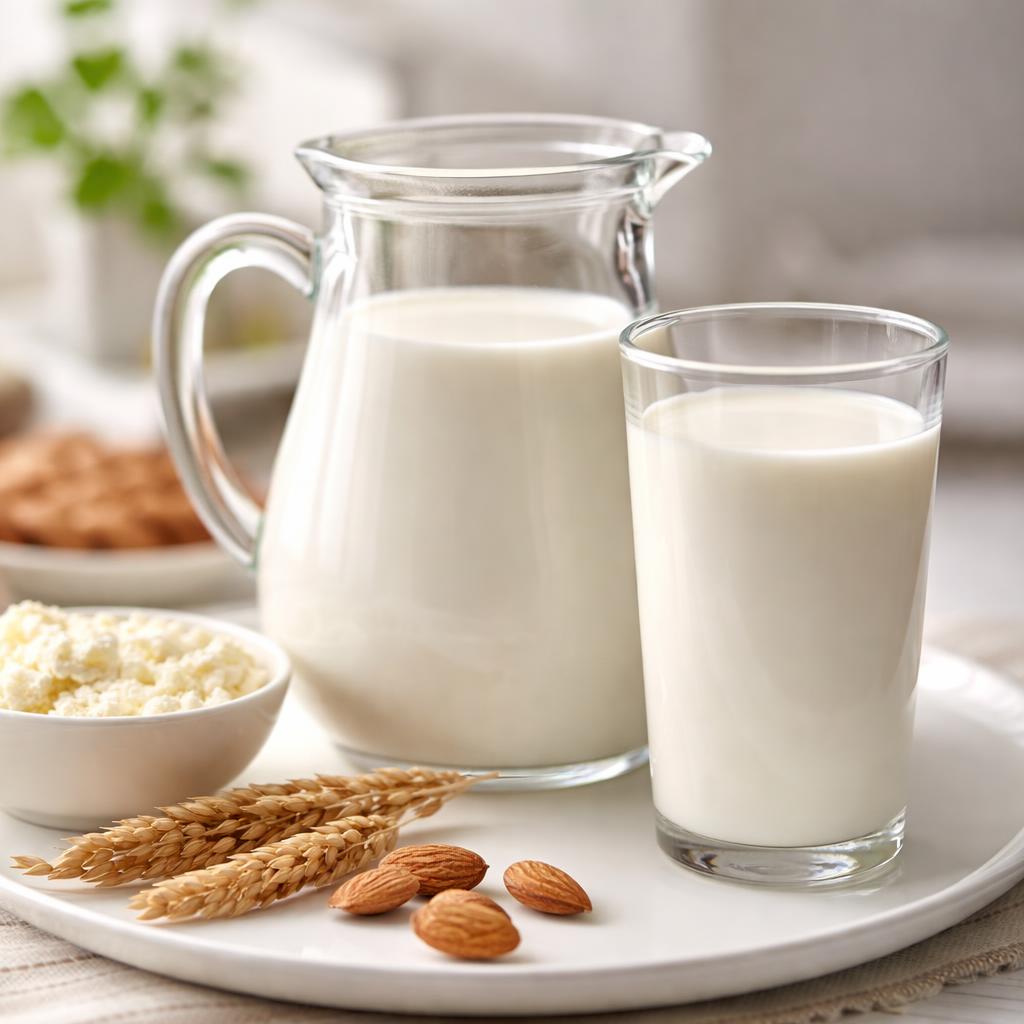
Milk
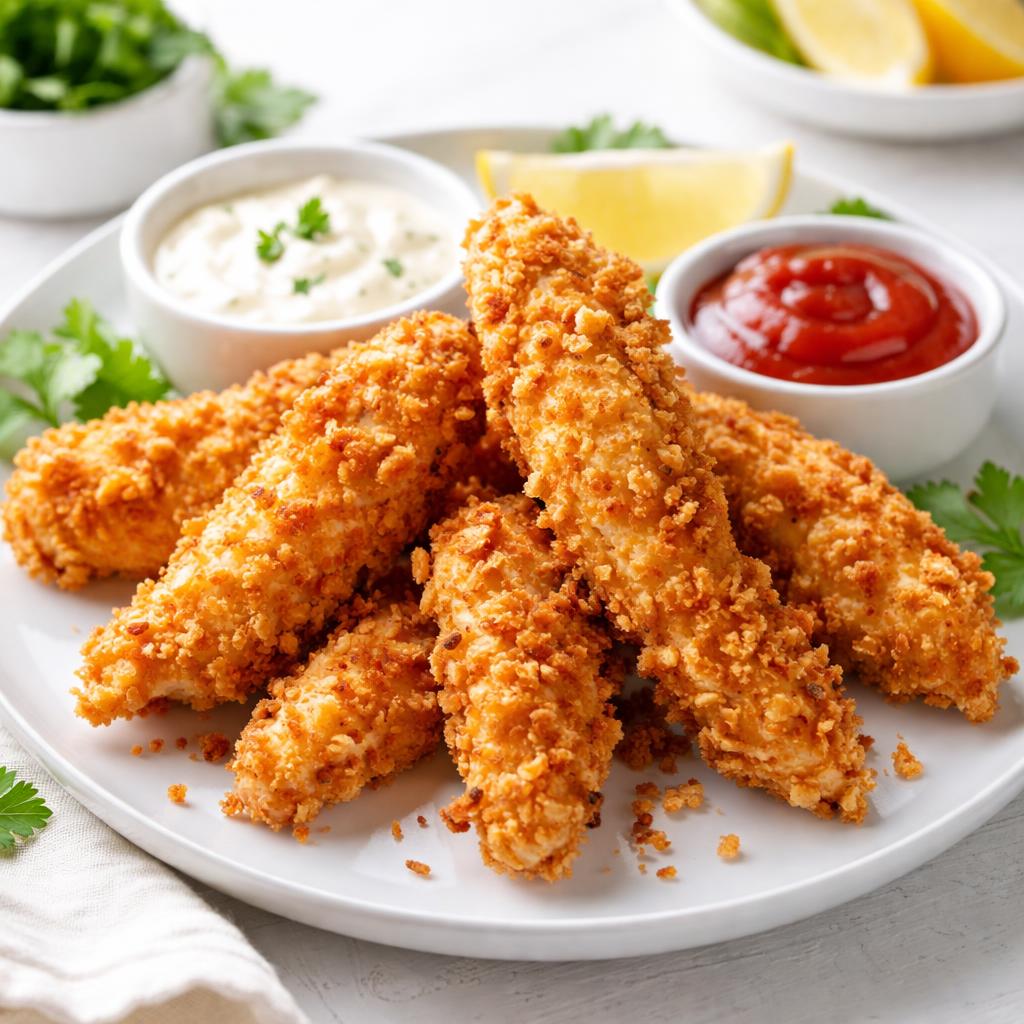
Fried Chicken Strips
🎯 Quick Verdict
Milk is lower in calories and naturally provides calcium and vitamin D, making it ideal for bone health and hydration. Fried chicken strips offer more protein, but are higher in calories and fat due to frying. Choose milk for a lighter option, while chicken strips are better for high-protein needs or energy-dense diets.

Smart Nutrition Tracking with SnapCalorie

📊 Nutritional Comparison
Macronutrients
| Nutrient | Food 1 | Food 2 | Winner |
|---|---|---|---|
| Calories | 124 (1 cup, whole milk) | 250 (100g fried chicken strips) | ✓ |
| Protein | 8g | 15g | ✓ |
| Carbs | 12g | 14g | ✓ |
| Fat | 8g | 13g | ✓ |
| Fiber | 0g | 0g | − |
Vitamins & Minerals
| Nutrient | Food 1 | Food 2 | Winner |
|---|---|---|---|
| Vitamin D | 2.5mcg | 0mcg | ✓ |
| Calcium | 300mg | 10mg | ✓ |
| Iron | 0.1mg | 1.3mg | ✓ |
🏆 Category Winners
Protein
Fried chicken strips deliver almost twice as much protein as milk per serving.
Fiber
Neither milk nor fried chicken contains significant fiber.
Calories
Milk has nearly 50% fewer calories per serving than fried chicken strips.
Vitamins
Milk is richer in calcium and vitamin D for bone health.
🥗 Diet Compatibility
Keto
Food 1: Not Compatible
Food 2: Compatible
Milk contains too many carbs (12g per serving), while fried chicken is high-protein and low-carb.
Vegan
Food 1: Not Compatible
Food 2: Not Compatible
Both foods are derived from animal sources.
Gluten Free
Food 1: Compatible
Food 2: Not Compatible
Milk is naturally gluten-free, but fried chicken may contain gluten coatings.
Paleo
Food 1: Not Compatible
Food 2: Not Compatible
Milk is not part of paleo diets, and fried chicken is processed.
Low Carb
Food 1: Not Compatible
Food 2: Compatible
Milk contains higher carbs due to natural sugars.
💪 Health Benefits Comparison
Food 1 Benefits
- Rich in calcium for strong bones
- Source of vitamin D for immune support
- Provides hydration and electrolytes
Food 2 Benefits
- High protein for muscle growth
- Iron-rich for oxygen transportation in the body
- Energy-dense for active lifestyles
✅ The Bottom Line
Milk is better for hydration, bone support, and lower-calorie diets, while fried chicken strips are ideal for high-protein meals or energy-dense diets. Choose milk for a lighter, nutrient-rich option and chicken strips for an indulgent, protein-packed snack.
Choose Food 1 for: Bone health, hydration, nutrient boost
Choose Food 2 for: Muscle building, high-energy diets, post-workout protein


