Milk VS Fish Fillet
A detailed nutritional comparison
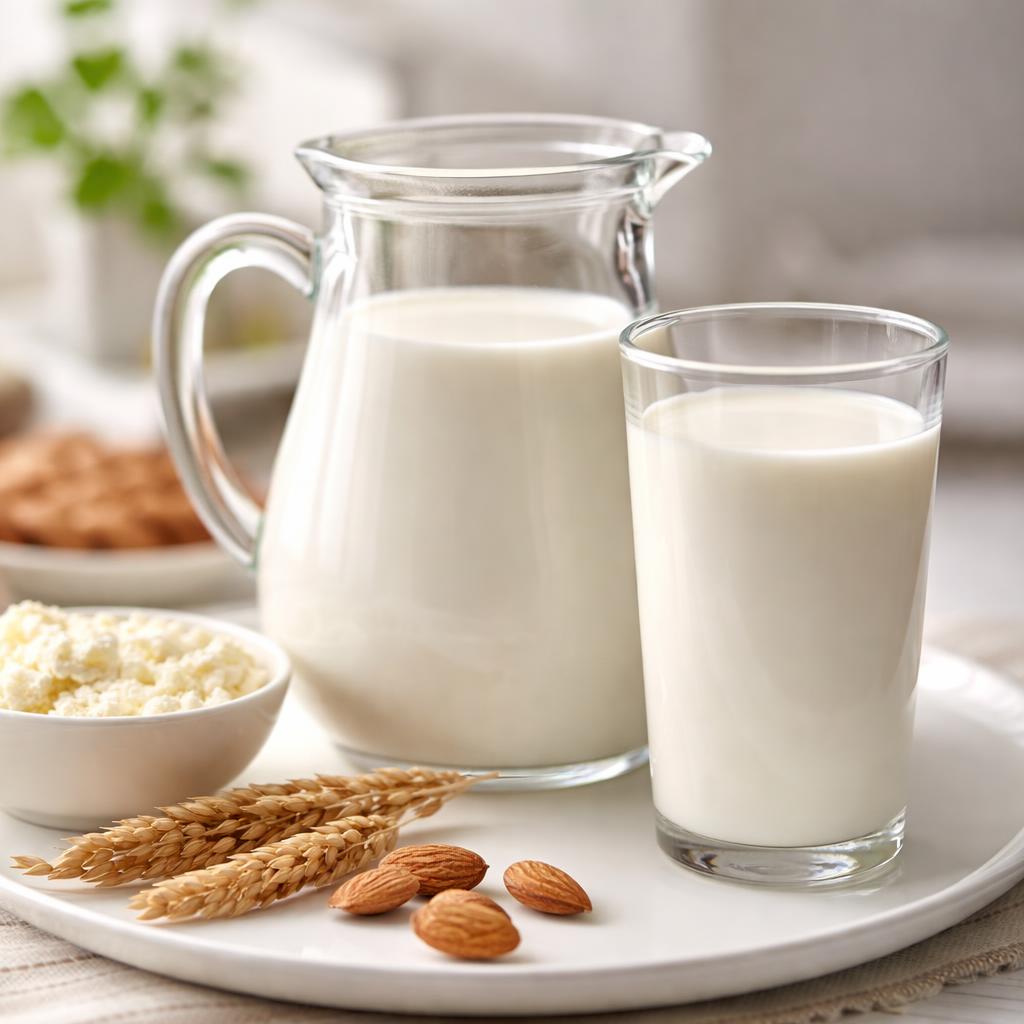
Milk
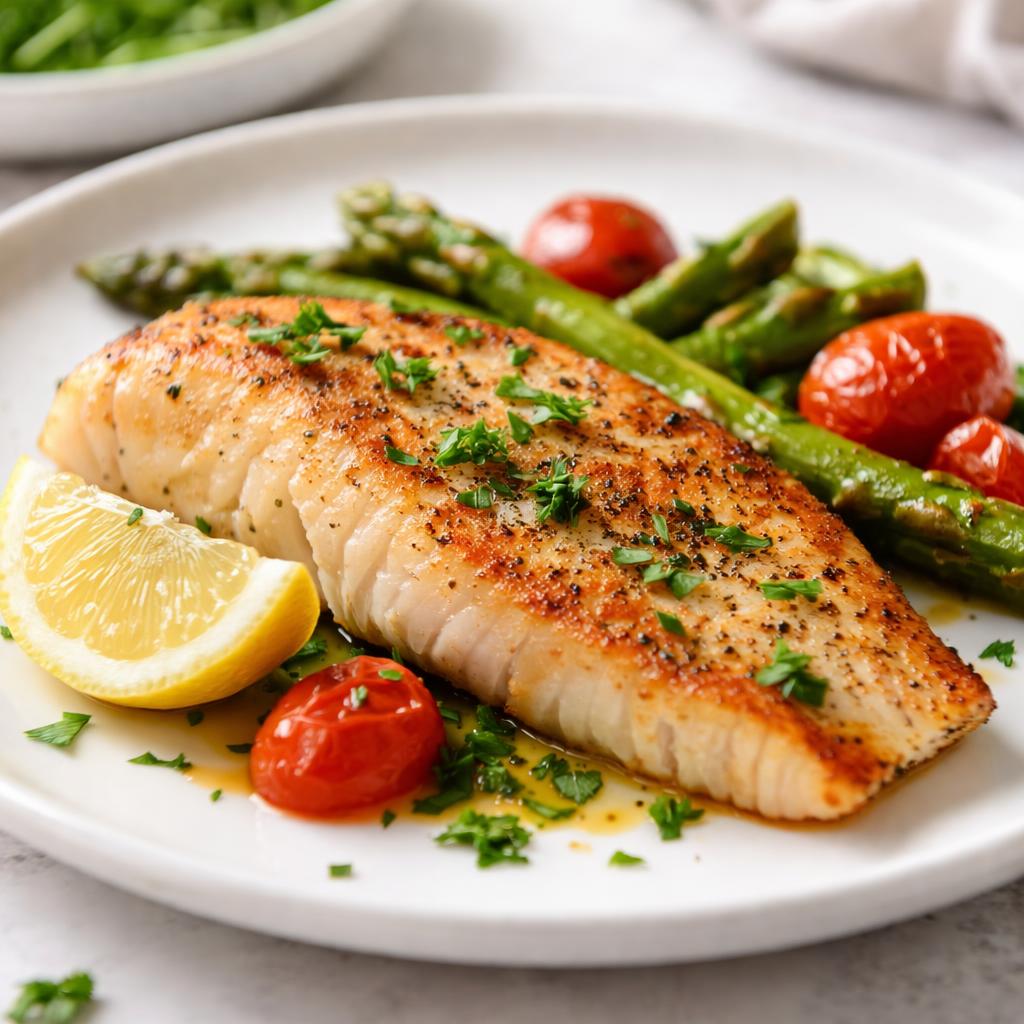
Fish Fillet
🎯 Quick Verdict
Fish fillet is higher in protein and lower in calories, making it better for muscle building and weight management. Milk provides more calcium and Vitamin D, essential for bone health. Both foods are versatile but cater to different dietary goals—milk for quick energy and nutrient density, and fish for lean protein and heart health benefits.

Smart Nutrition Tracking with SnapCalorie

📊 Nutritional Comparison
Macronutrients
| Nutrient | Food 1 | Food 2 | Winner |
|---|---|---|---|
| Calories | 150 kcal (1 cup, whole milk) | 110 kcal (100g cooked fish fillet) | ✓ |
| Protein | 8g | 22g | ✓ |
| Carbs | 12g | 0g | ✓ |
| Fat | 8g | 3g | ✓ |
| Fiber | 0g | 0g | − |
Vitamins & Minerals
| Nutrient | Food 1 | Food 2 | Winner |
|---|---|---|---|
| Vitamin D | 2.5mcg | 3.6mcg | ✓ |
| Calcium | 300mg | 15mg | ✓ |
| Iron | 0.1mg | 0.5mg | ✓ |
| Vitamin B12 | 1mcg | 2.4mcg | ✓ |
🏆 Category Winners
Protein
Fish fillet has nearly triple the protein content of milk per serving.
Fiber
Neither milk nor fish fillet contains fiber.
Calories
Fish fillet has approximately 25% fewer calories per serving.
Vitamins
Fish fillet provides more Vitamin D and B12, but milk is superior in calcium.
🥗 Diet Compatibility
Keto
Food 1: Not Compatible
Food 2: Compatible
Milk contains 12g of carbs while fish fillet is carb-free, suitable for keto diets.
Vegan
Food 1: Not Compatible
Food 2: Not Compatible
Both milk and fish fillet are animal-derived and unsuitable for vegan diets.
Gluten Free
Food 1: Compatible
Food 2: Compatible
Neither milk nor fish fillet contains gluten.
Paleo
Food 1: Not Compatible
Food 2: Compatible
Milk is excluded from strict paleo diets, while fish fits the criteria.
Low-Carb
Food 1: Not Compatible
Food 2: Compatible
Milk contains 12g of carbs, while fish fillet is carb-free.
💪 Health Benefits Comparison
Food 1 Benefits
- Excellent source of calcium for bone health
- Naturally contains Vitamin D to regulate calcium absorption
- Provides quick energy due to its carbohydrate content
Food 2 Benefits
- High-quality protein for muscle growth and repair
- Rich in omega-3 fatty acids for heart and brain health
- Contains Vitamin B12 to support red blood cell production
✅ The Bottom Line
Choose milk if you need quick energy and calcium for bone health, especially for children and adults with high calcium needs. Opt for fish fillet if you want lean protein, healthy fats like Omega-3, and a lower-calorie option for weight loss or cardiovascular health.
Choose Food 1 for: Bone health, energy boost, post-workout recovery
Choose Food 2 for: Lean protein diets, heart health, weight management


