Milk VS Fish
A detailed nutritional comparison
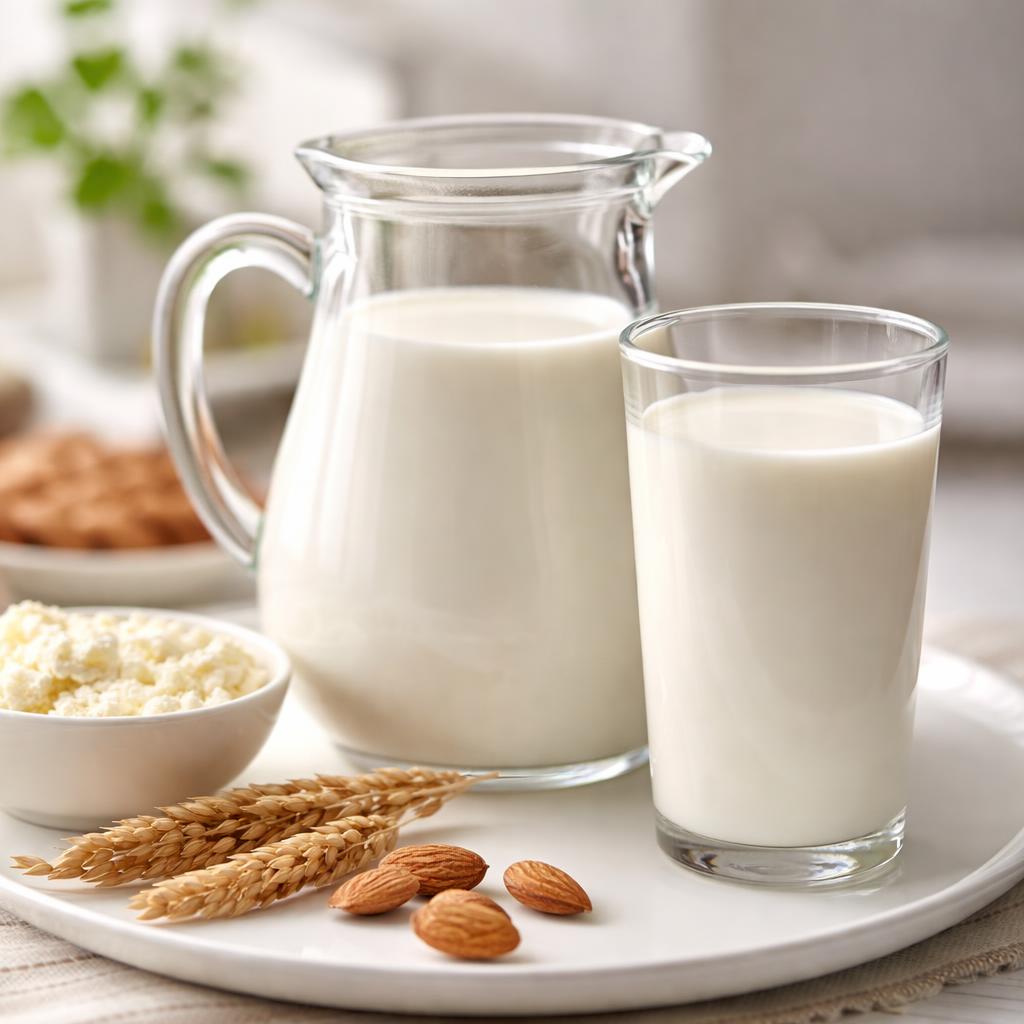
Milk
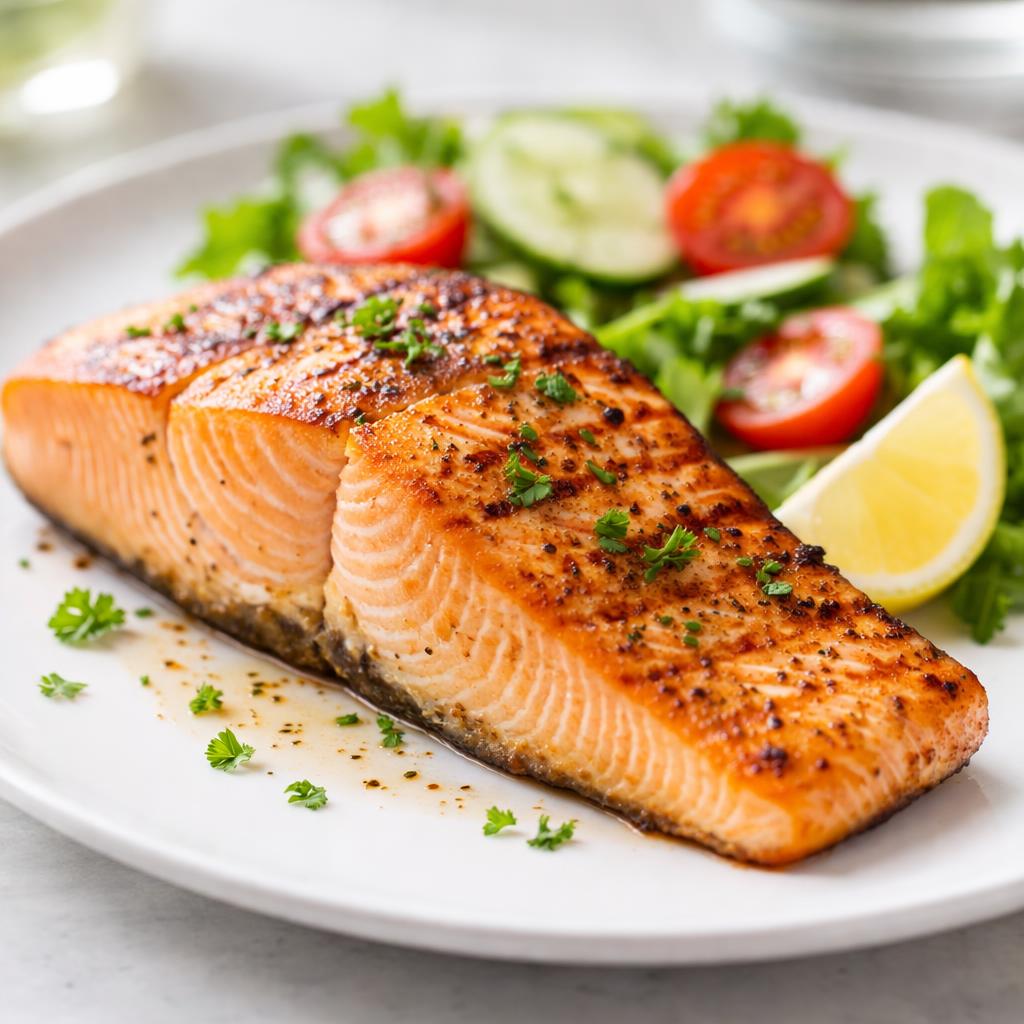
Fish
🎯 Quick Verdict
Milk and fish offer distinct nutritional profiles: Milk is lower in calories and provides essential minerals like calcium and vitamin D, while fish is protein-rich and packed with omega-3 fatty acids. Milk is ideal for bone health and post-workout recovery, whereas fish is excellent for heart health and muscle maintenance due to its high protein and healthy fats content.

Smart Nutrition Tracking with SnapCalorie

📊 Nutritional Comparison
Macronutrients
| Nutrient | Food 1 | Food 2 | Winner |
|---|---|---|---|
| Calories | 103 (per 1 cup, 240ml) | 206 (per 100g cooked salmon) | ✓ |
| Protein | 8g | 22g | ✓ |
| Carbs | 12g | 0g | ✓ |
| Fat | 2.4g | 13g | ✓ |
| Fiber | 0g | 0g | − |
Vitamins & Minerals
| Nutrient | Food 1 | Food 2 | Winner |
|---|---|---|---|
| Vitamin D | 2.9mcg | 13mcg | ✓ |
| Calcium | 305mg | 9mg | ✓ |
| Iron | 0mg | 0.5mg | ✓ |
| Omega-3 fatty acids | 0g | 1.8g | ✓ |
🏆 Category Winners
Protein
Fish provides nearly three times as much protein compared to milk.
Fiber
Neither food contains dietary fiber.
Calories
Milk has roughly half the calories of fish per serving.
Vitamins
Fish is far superior in vitamin D and omega-3 fatty acids.
🥗 Diet Compatibility
Keto
Food 1: Partially Compatible
Food 2: Fully Compatible
Milk has higher carbs (12g per serving), while fish is zero-carb.
Vegan
Food 1: Not Compatible
Food 2: Not Compatible
Both foods are animal-based products.
Gluten Free
Food 1: Compatible
Food 2: Compatible
Neither contain gluten.
Paleo
Food 1: Partially Compatible
Food 2: Fully Compatible
Fish aligns closely with paleo principles, whereas milk is only accepted in some variations of paleo diets.
Low-Carb
Food 1: Not Compatible
Food 2: Compatible
Milk contains 12g of carbs per serving, while fish contains none.
💪 Health Benefits Comparison
Food 1 Benefits
- Rich source of calcium for strong bones and teeth
- Contains vitamin D for bone and immune health
- Provides protein for muscle repair and growth
Food 2 Benefits
- Excellent source of lean protein for muscle maintenance
- Rich in omega-3 fatty acids for heart and brain health
- Contains vitamin D for immune and bone health
- Supports anti-inflammatory processes in the body
✅ The Bottom Line
Milk and fish serve very different dietary purposes. Milk is a good option for those prioritizing bone health and moderate protein intake in a low-calorie package. Fish, particularly fatty fish like salmon, is the better choice for high protein and heart-healthy fats, but it is higher in calories. Use milk in a post-workout shake or for calcium needs, and fish for a nutrient-dense meal rich in healthy fats and protein.
Choose Food 1 for: Bone health, muscle recovery, low-calorie diets
Choose Food 2 for: High-protein diets, heart health, anti-inflammatory diets


