Milk VS Fat
A detailed nutritional comparison
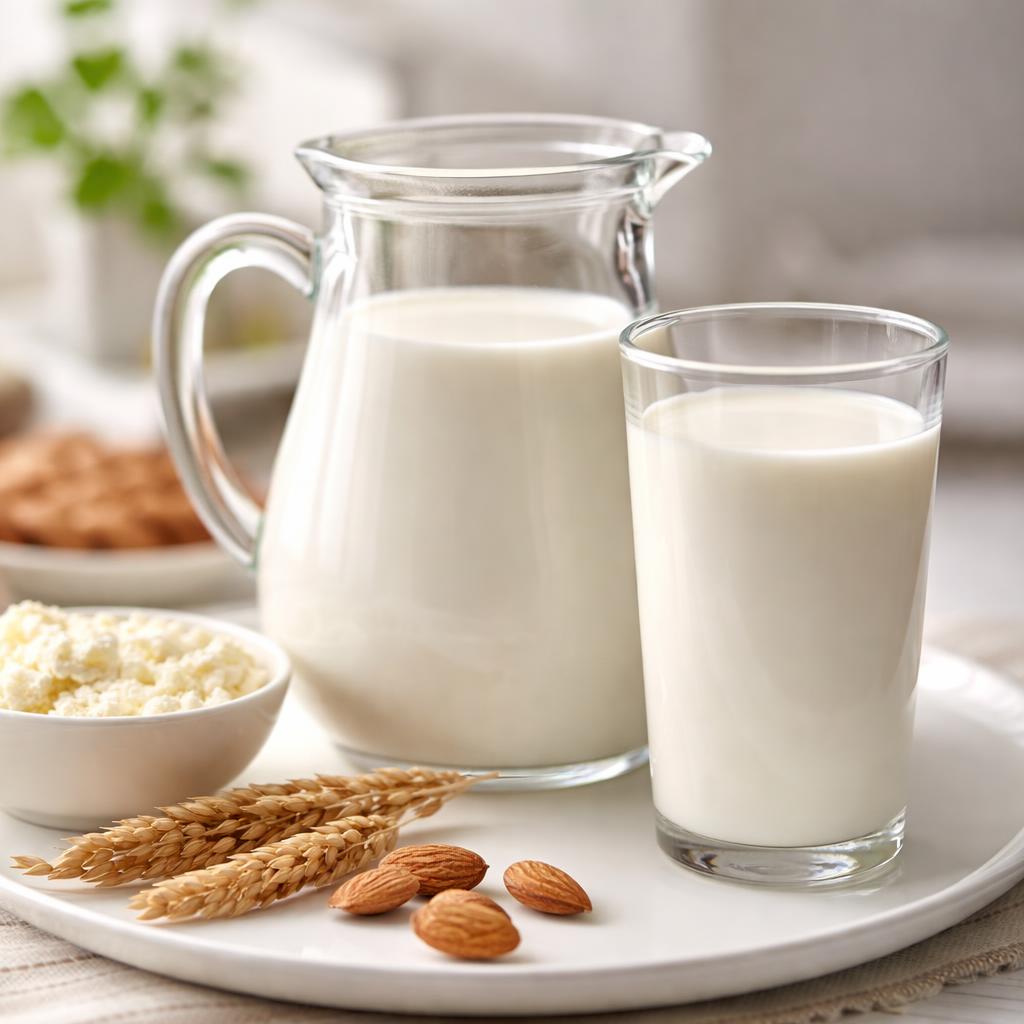
Milk

Fat
🎯 Quick Verdict
Milk provides significantly more protein, essential vitamins and minerals, and fewer calories compared to fat. On the other hand, fat is calorie-dense and provides essential fatty acids, making it valuable for energy and nutrient absorption. Milk is a better choice for overall nutrition, while fat is ideal for high-calorie diets or when focusing on healthy fats intake.

Smart Nutrition Tracking with SnapCalorie

📊 Nutritional Comparison
Macronutrients
| Nutrient | Food 1 | Food 2 | Winner |
|---|---|---|---|
| Calories | 149 per cup | 120 per tablespoon | − |
| Protein | 8g per cup | 0g per tablespoon | − |
| Carbs | 12g per cup | 0g per tablespoon | − |
| Fat | 8g per cup | 14g per tablespoon | − |
| Fiber | 0g per cup | 0g per tablespoon | − |
Vitamins & Minerals
| Nutrient | Food 1 | Food 2 | Winner |
|---|---|---|---|
| Vitamin D | 2.4mcg per cup | 0mcg per tablespoon | − |
| Calcium | 299mg per cup | 0mg per tablespoon | − |
| Iron | 0.1mg per cup | 0mg per tablespoon | − |
🏆 Category Winners
Protein
Milk provides 8g of protein per cup, while fat has no protein.
Fiber
Neither milk nor fat contains dietary fiber.
Calories
Milk has fewer calories (149 per cup) compared to fat (120 per tablespoon).
Vitamins
Milk is rich in vitamin D and calcium, essential for bones and immunity; fat lacks these nutrients.
🥗 Diet Compatibility
Keto
Food 1: Conditionally Compatible
Food 2: Compatible
Milk contains moderate carbs (12g per cup), while fat is low-carb and high-fat.
Vegan
Food 1: Not Compatible
Food 2: Conditionally Compatible
Milk is an animal product; fat, depending on source (e.g., plant-based oils), can be vegan.
Gluten Free
Food 1: Compatible
Food 2: Compatible
Neither milk nor fat contains gluten.
Paleo
Food 1: Not Compatible
Food 2: Compatible
Milk is generally excluded in paleo diets, while fat (from natural sources like animal fats or avocado oil) is acceptable.
Low-Carb
Food 1: Conditionally Compatible
Food 2: Compatible
Fat is inherently low-carb; milk's carb content (12g per cup) may not fit strict low-carb diets.
💪 Health Benefits Comparison
Food 1 Benefits
- Provides complete protein for muscle health
- Rich in calcium and vitamin D for strong bones
- Contains potassium for heart function
Food 2 Benefits
- Contains essential fatty acids for brain and heart health
- Provides dense calories to support energy needs
- Aids absorption of fat-soluble vitamins (A, D, E, K)
✅ The Bottom Line
Milk is better suited for those seeking protein, vitamins, minerals, and fewer calories, while fat is crucial for high-calorie diets, energy needs, or when focusing on healthy fats. Understanding your dietary goals can help you choose the right fit.
Choose Food 1 for: Bone health, muscle recovery, overall nutrition balance
Choose Food 2 for: Energy-dense diets, keto and low-carb lifestyles, healthy fat intake


