Milk VS Extra Virgin Olive Oil
A detailed nutritional comparison
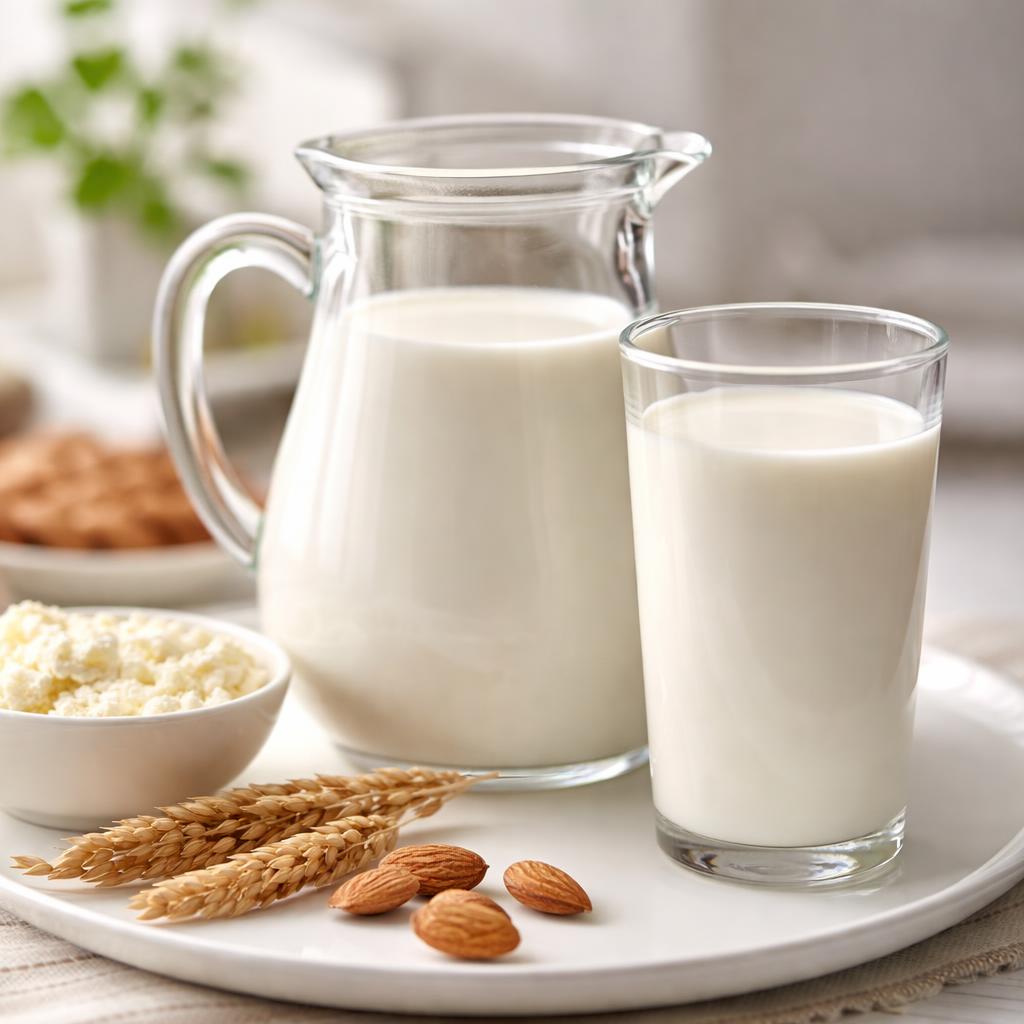
Milk
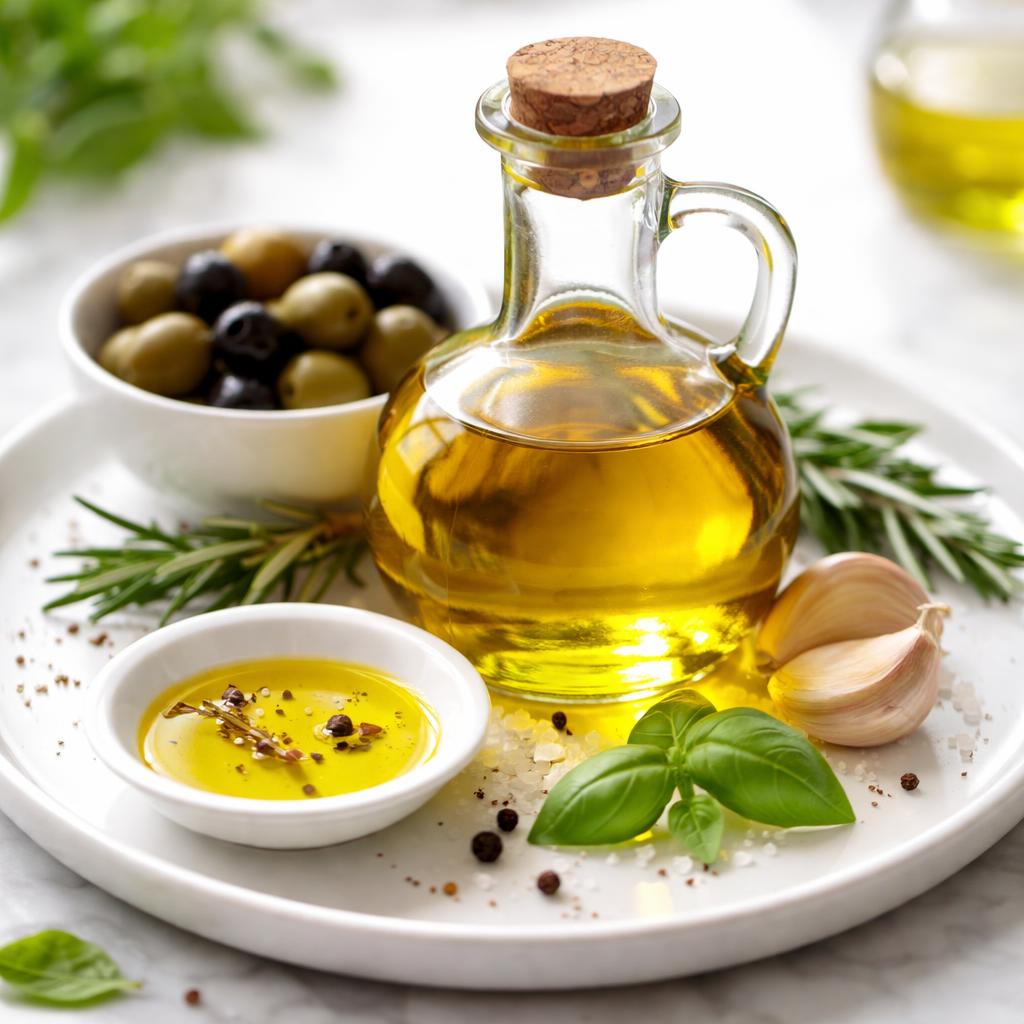
Extra Virgin Olive Oil
🎯 Quick Verdict
Milk and extra virgin olive oil serve very different dietary purposes, with milk being a rich source of protein, calcium, and vitamin D, while olive oil is primarily a provider of healthy fats and antioxidants. Milk is ideal for protein-focused and nutrient-rich diets, while olive oil shines as a condiment or cooking oil in heart-healthy diets.

Smart Nutrition Tracking with SnapCalorie

📊 Nutritional Comparison
Macronutrients
| Nutrient | Food 1 | Food 2 | Winner |
|---|---|---|---|
| Calories | 150 (per 1 cup) | 119 (per 1 tbsp) | ✓ |
| Protein | 8g | 0g | ✓ |
| Carbs | 12g | 0g | ✓ |
| Fat | 8g (whole milk) | 14g | ✓ |
| Fiber | 0g | 0g | − |
Vitamins & Minerals
| Nutrient | Food 1 | Food 2 | Winner |
|---|---|---|---|
| Vitamin D | 2.5mcg (fortified) | 0mcg | ✓ |
| Calcium | 300mg | 1mg | ✓ |
| Iron | 0.1mg | 0.1mg | − |
🏆 Category Winners
Protein
Milk delivers 8g of protein per cup, whereas olive oil contains none.
Fiber
Neither food provides dietary fiber.
Calories
Milk provides fewer calories per serving relative to olive oil when compared in similar quantities.
Vitamins
Milk is rich in calcium and vitamin D, while olive oil contains negligible amounts of these vitamins.
🥗 Diet Compatibility
Keto
Food 1: Not Compatible
Food 2: Compatible
Milk contains 12g of carbs per cup, while olive oil is carb-free and fat-rich.
Vegan
Food 1: Not Compatible
Food 2: Compatible
Milk is animal-derived, whereas olive oil is plant-based.
Gluten Free
Food 1: Compatible
Food 2: Compatible
Neither milk nor olive oil contains gluten.
Paleo
Food 1: Generally Not Compatible
Food 2: Compatible
Milk does not fit strict paleo guidelines, but olive oil aligns well with paleo principles.
Low-Carb
Food 1: Not Compatible
Food 2: Compatible
Milk has 12g of carbs per cup, while olive oil is entirely carbohydrate-free.
💪 Health Benefits Comparison
Food 1 Benefits
- Rich in protein for muscle and tissue repair
- Excellent calcium source for bone health
- Fortified with vitamin D for immune and bone support
Food 2 Benefits
- Provides heart-healthy monounsaturated fats
- Rich in antioxidants, including vitamin E
- Anti-inflammatory properties contribute to overall health
- May improve cholesterol levels when used as part of a balanced diet
✅ The Bottom Line
Milk is ideal for people needing protein, calcium, and vitamin D, such as growing individuals or those maintaining bone health. Olive oil excels for heart-healthy diets and acts as a nutrient-dense cooking oil offering anti-inflammatory benefits. Choose milk for nutrition-packed beverages or post-workout recovery and olive oil for adding healthy fats to meals.
Choose Food 1 for: Muscle repair, bone health, general nutrition, post-workout recovery
Choose Food 2 for: Heart health, reducing inflammation, adding flavor to dishes


