Milk VS Collard Greens
A detailed nutritional comparison
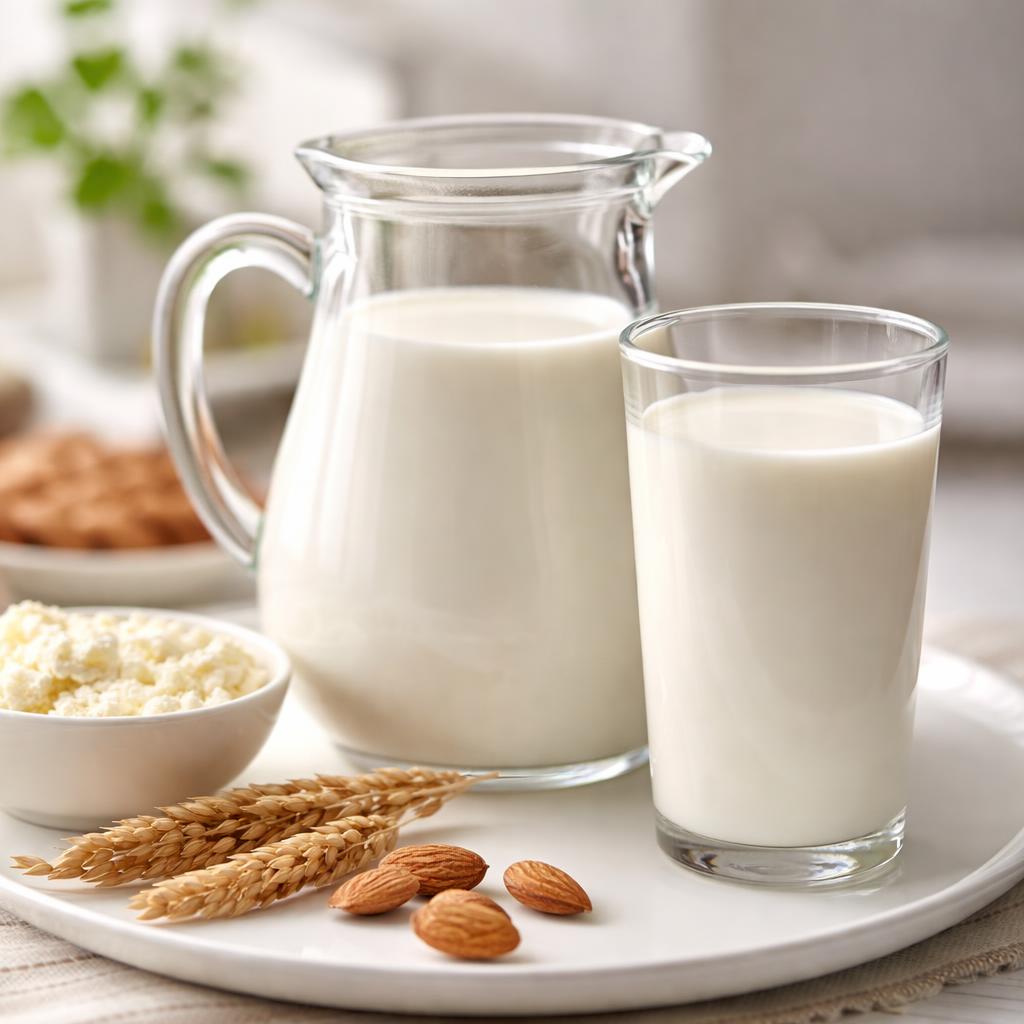
Milk
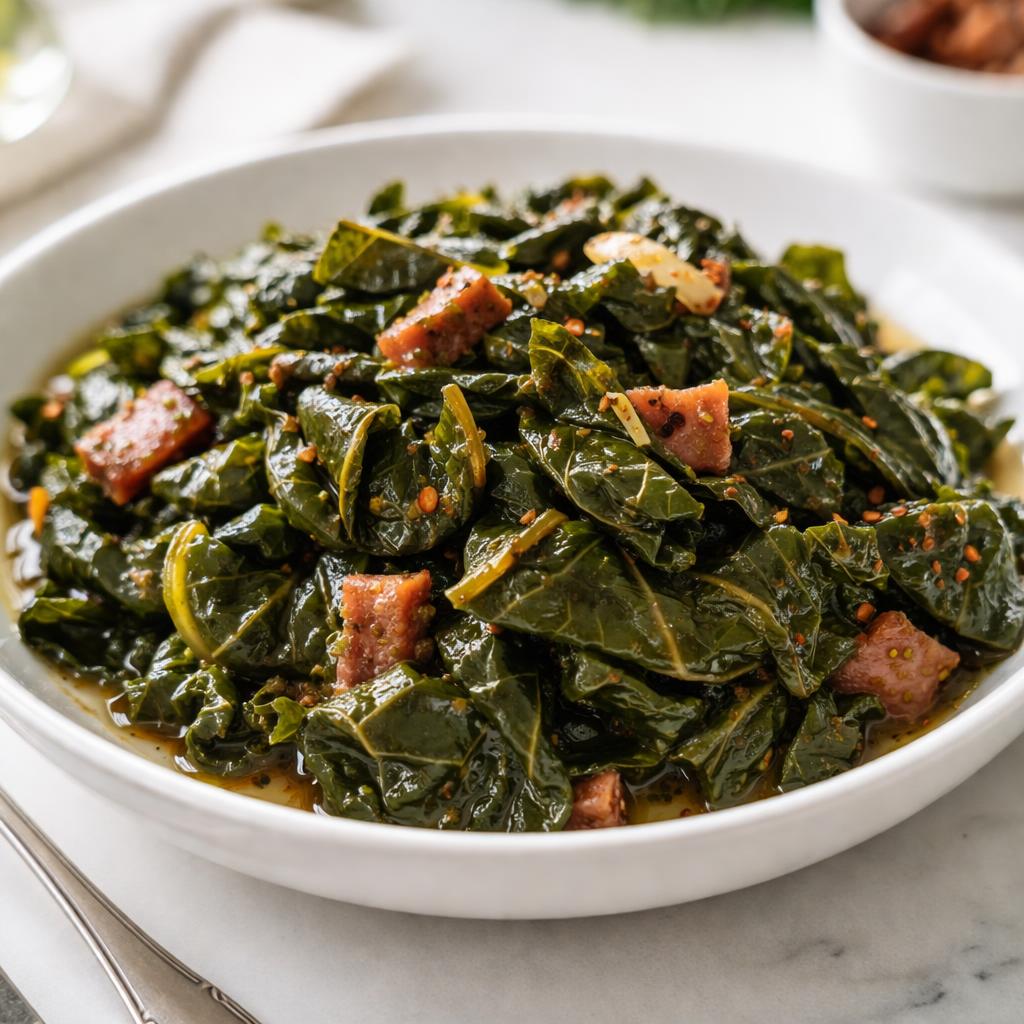
Collard Greens
🎯 Quick Verdict
Milk and collard greens are nutritionally distinct, serving different dietary needs. Milk excels in protein and calcium content, making it ideal for bone health and muscle maintenance. On the other hand, collard greens are packed with fiber, fewer calories, and vitamins A and K, great for digestion and overall wellness.

Smart Nutrition Tracking with SnapCalorie

📊 Nutritional Comparison
Macronutrients
| Nutrient | Food 1 | Food 2 | Winner |
|---|---|---|---|
| Calories | 103 (per 1 cup 2% milk) | 49 (per 1 cup cooked) | ✓ |
| Protein | 8g | 4g | ✓ |
| Carbs | 12g | 8g | ✓ |
| Fat | 2.4g | 0.7g | ✓ |
| Fiber | 0g | 5g | ✓ |
Vitamins & Minerals
| Nutrient | Food 1 | Food 2 | Winner |
|---|---|---|---|
| Vitamin D | 3.2mcg | 0mcg | ✓ |
| Calcium | 295mg | 268mg | ✓ |
| Iron | 0mg | 2mg | ✓ |
| Vitamin A | 100IU | 7221IU | ✓ |
| Vitamin K | 1mcg | 530mcg | ✓ |
🏆 Category Winners
Protein
Milk contains double the protein compared to collard greens.
Fiber
Collard greens have 5g of fiber compared to 0g in milk.
Calories
Collard greens are lower in calories, making them suitable for weight-conscious diets.
Vitamins
Collard greens are nutritionally dense, offering high amounts of Vitamin A, K, and iron.
🥗 Diet Compatibility
Keto
Food 1: Not Compatible
Food 2: Compatible
Milk has higher carbs, while collard greens are low-carb.
Vegan
Food 1: Not Compatible
Food 2: Compatible
Collard greens are plant-based while milk is animal-derived.
Gluten Free
Food 1: Compatible
Food 2: Compatible
Neither contains gluten.
Paleo
Food 1: Not Compatible
Food 2: Compatible
Milk is excluded in strict paleo diets while collard greens are acceptable.
Low-Carb
Food 1: Not Compatible
Food 2: Compatible
Milk has 12g of carbs per cup, while collard greens are relatively low-carb at 8g per cup cooked.
💪 Health Benefits Comparison
Food 1 Benefits
- Rich in protein for muscle maintenance and repair
- Contains calcium for strong bones and teeth
- Provides vitamin D for immune support and bone health
Food 2 Benefits
- High in fiber for improved digestion
- Rich in Vitamin A for eye health
- Excellent source of Vitamin K which supports blood clotting and bone health
- Contains antioxidants and iron for overall wellness
✅ The Bottom Line
Milk and collard greens offer unique benefits depending on your dietary goals. Choose milk for protein and calcium needs or post-workout recovery. Opt for collard greens for digestion, low-calorie meals, and vitamin density.
Choose Food 1 for: Bone health, muscle repair, post-workout recovery
Choose Food 2 for: Weight management, digestive health, nutrient-rich meals


