Milk VS Cinnamon
A detailed nutritional comparison
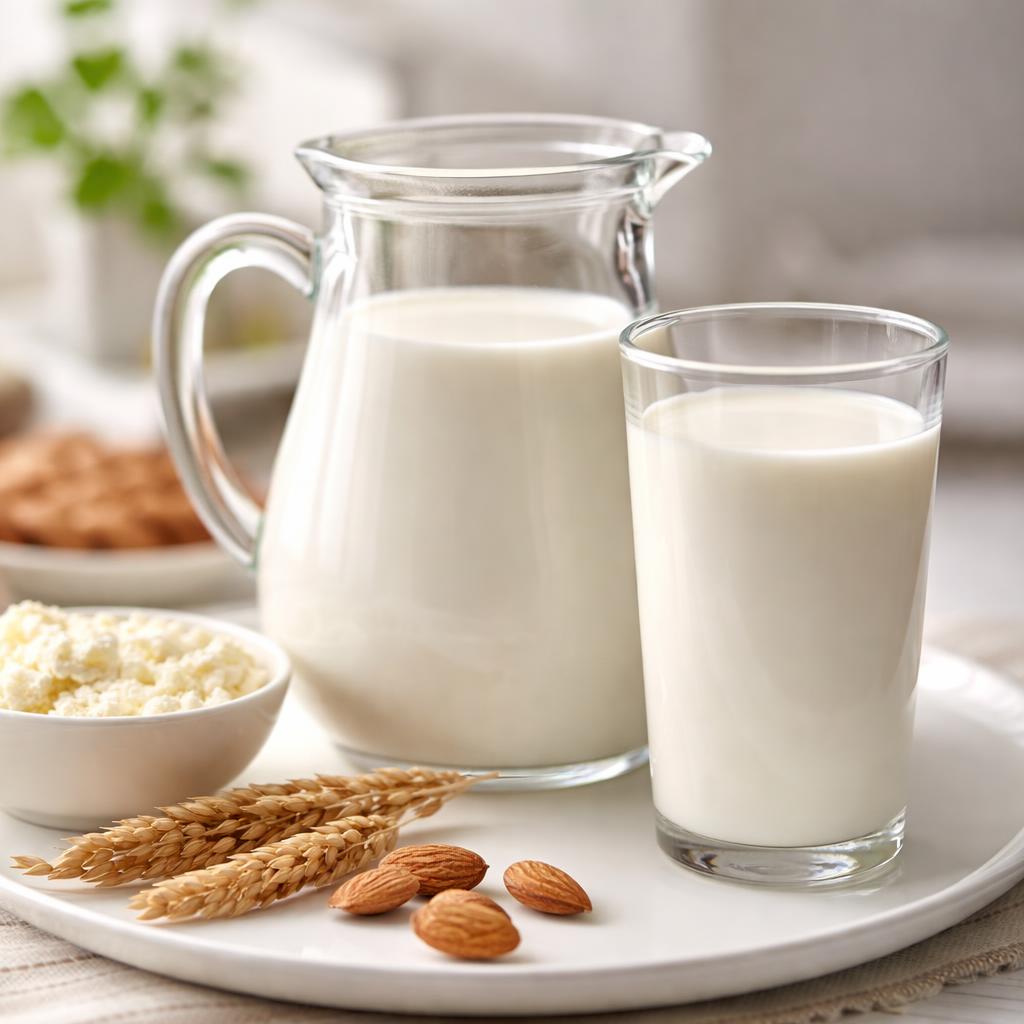
Milk
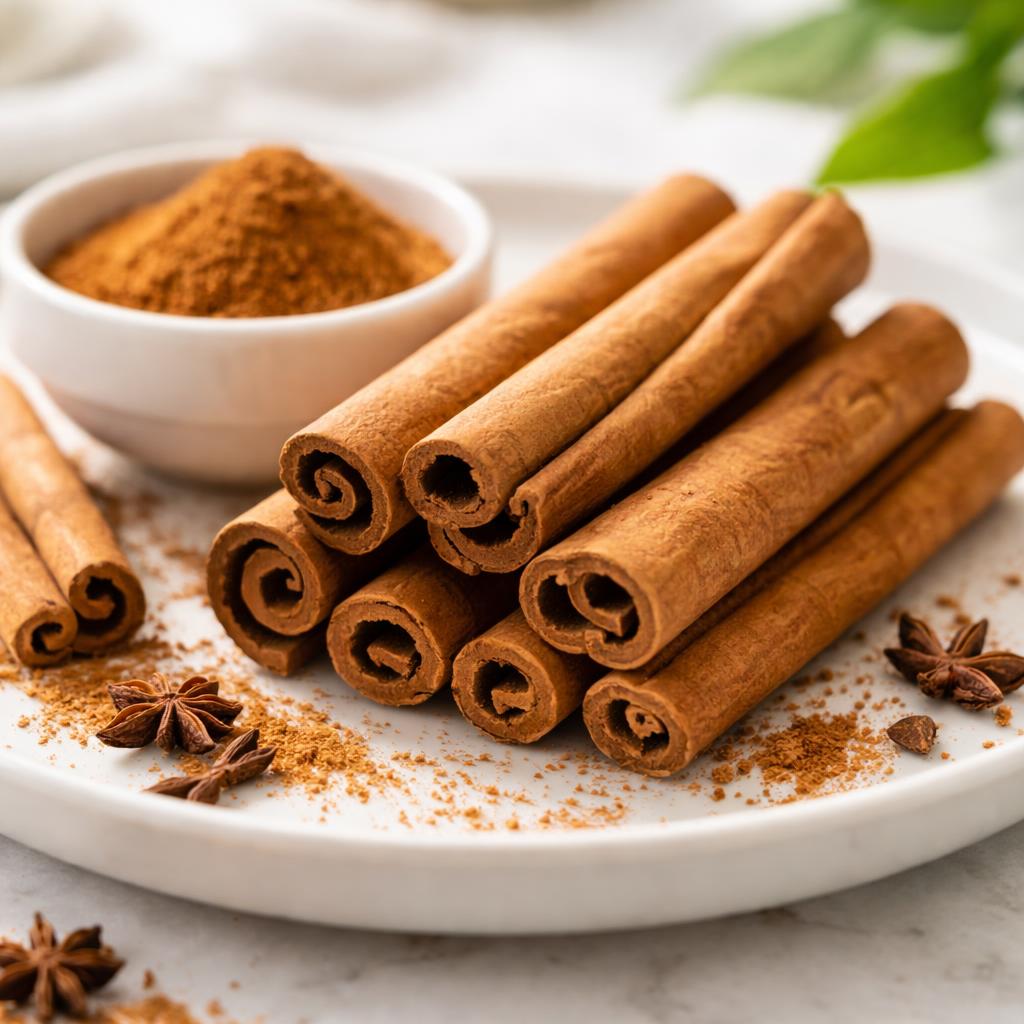
Cinnamon
🎯 Quick Verdict
Milk and cinnamon are nutritionally distinct, with milk offering high protein (8g per cup) and calcium, while cinnamon excels in fiber and antioxidants. Milk is ideal for muscle-building and bone health, while cinnamon is best for adding flavor and boosting digestion with minimal calories.

Smart Nutrition Tracking with SnapCalorie

📊 Nutritional Comparison
Macronutrients
| Nutrient | Food 1 | Food 2 | Winner |
|---|---|---|---|
| Calories | 150 per cup | 6 per tsp | ✓ |
| Protein | 8g per cup | 0.1g per tsp | ✓ |
| Carbs | 12g per cup | 2g per tsp | ✓ |
| Fat | 8g per cup (whole milk) | 0.1g per tsp | ✓ |
| Fiber | 0g per cup | 1.2g per tsp | ✓ |
Vitamins & Minerals
| Nutrient | Food 1 | Food 2 | Winner |
|---|---|---|---|
| Calcium | 300mg per cup | 20mg per tsp | ✓ |
| Vitamin D | 2.9mcg per cup | 0mcg per tsp | ✓ |
| Iron | 0.1mg per cup | 0.8mg per tsp | ✓ |
| Magnesium | 24mg per cup | 4mg per tsp | ✓ |
🏆 Category Winners
Protein
Milk delivers 8g of protein per cup, far surpassing cinnamon's 0.1g.
Fiber
Cinnamon contains 1.2g of fiber per teaspoon, while milk has no fiber.
Calories
Cinnamon is extremely low in calories at 6 per teaspoon compared to milk’s 150 per cup.
Vitamins
Milk is richer in calcium (300mg per cup) and vitamin D (2.9mcg).
🥗 Diet Compatibility
Keto
Food 1: Not Compatible
Food 2: Compatible
Cinnamon is very low-carb, whereas milk contains 12g of carbohydrates per cup.
Vegan
Food 1: Not Compatible
Food 2: Compatible
Milk is an animal product. Cinnamon is plant-based.
Gluten Free
Food 1: Compatible
Food 2: Compatible
Both milk and cinnamon are naturally gluten-free.
Paleo
Food 1: Not Compatible
Food 2: Compatible
Milk is excluded in the paleo diet, but cinnamon is allowed.
Low Carb
Food 1: Not Compatible
Food 2: Compatible
Milk is moderately high in carbohydrates (12g), while cinnamon has only 2g per teaspoon.
💪 Health Benefits Comparison
Food 1 Benefits
- High in protein for muscle repair and maintenance.
- Rich in calcium for strong bones and teeth.
- Provides vitamin D for bone health and immune function.
Food 2 Benefits
- High in antioxidants to combat inflammation.
- Good source of fiber to support digestion and gut health.
- May help regulate blood sugar levels.
✅ The Bottom Line
Choose milk for its high protein and calcium content, making it ideal for muscle and bone health. Opt for cinnamon for its minimal calories, high fiber, and antioxidant benefits, and as a flavorful addition to meals. They complement different dietary needs.
Choose Food 1 for: Muscle-building, bone health, post-workout recovery
Choose Food 2 for: Low-calorie diets, digestion, flavor enhancement


